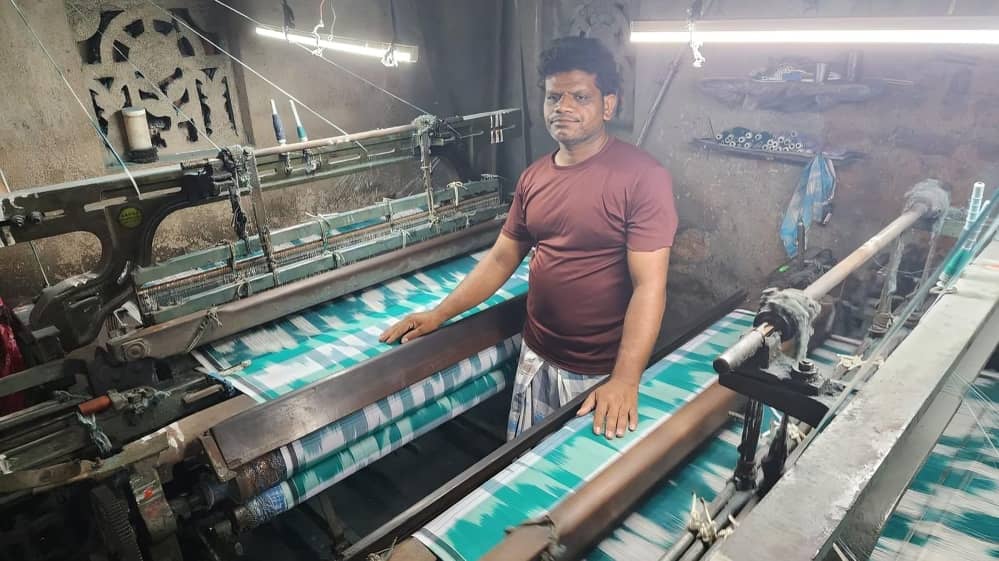
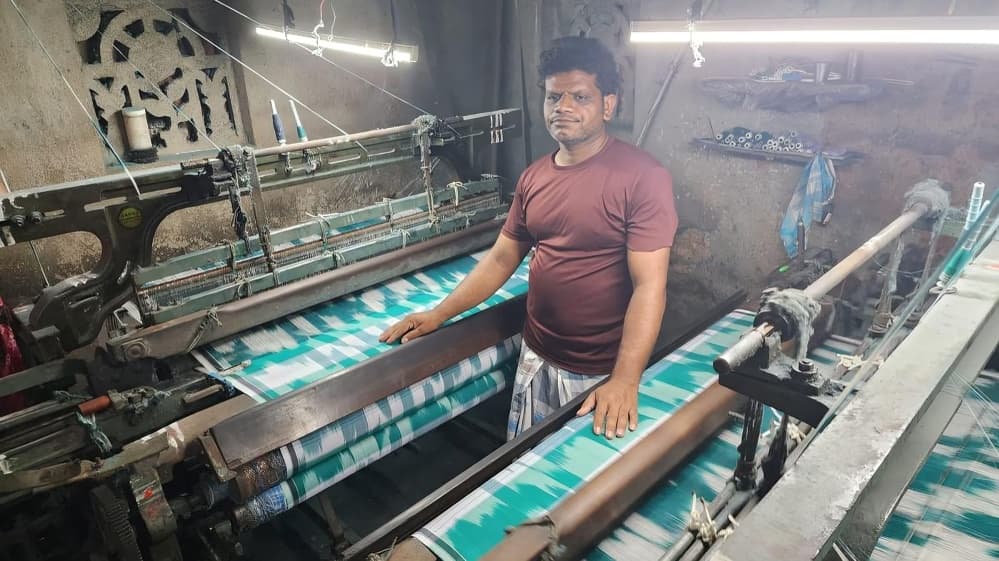
As the Tamil Nadu Assembly Elections 2026 approach, the textile hub of Tiruppur has emerged as a key region where economic issues are influencing political discussions. Known for its significant contribution to India’s garment exports, Tiruppur is home to a large number of small and medium scale enterprises involved in textile manufacturing.
In recent weeks, sections of the industry have expressed concerns regarding rising operational costs. Business owners have pointed to increases in electricity tariffs and property related charges as factors affecting their competitiveness. These concerns are particularly relevant in a sector that relies heavily on continuous power supply and cost efficiency to maintain production levels and meet export demands.
In addition to cost related issues, some industry representatives have highlighted challenges in areas such as waste management and infrastructure. Efficient waste disposal systems are important for maintaining environmental standards and ensuring smooth industrial operations. Concerns about these aspects have been raised during interactions between industry groups and policymakers.
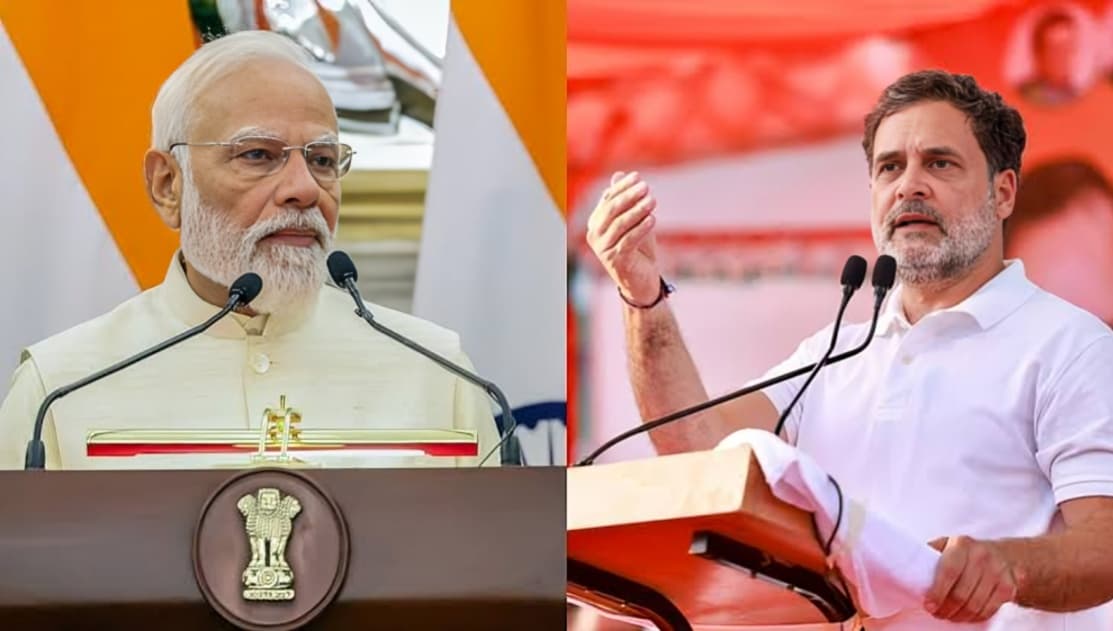
The current state government, led by the Dravida Munnetra Kazhagam, has implemented various policies aimed at economic development and social welfare. However, as elections draw closer, feedback from different sectors, including textiles, has become part of the broader political discourse. Industry responses reflect specific operational challenges and expectations for policy support.
At the same time, opposition parties such as the All India Anna Dravida Munnetra Kazhagam, along with its allies, are reaching out to business communities with alternative policy proposals. Campaign discussions have included promises related to industrial support, infrastructure improvement, and measures to reduce operational burdens on businesses.
Some industry participants have also acknowledged initiatives by the central government, particularly in areas related to economic stability and export support. However, opinions vary within the business community, and not all stakeholders share the same perspective on policy effectiveness.
Experts note that Tiruppur’s economic landscape makes it an important indicator of industrial sentiment in Tamil Nadu. The region’s dependence on global markets means that local policy decisions can have a direct impact on business performance. As a result, industry feedback often carries weight in shaping political narratives during elections.
The evolving situation highlights the intersection of economic concerns and electoral politics. Issues such as pricing, taxation, and infrastructure are central to both business sustainability and voter decision making. Political parties are therefore expected to continue focusing on these topics as part of their campaign strategies.
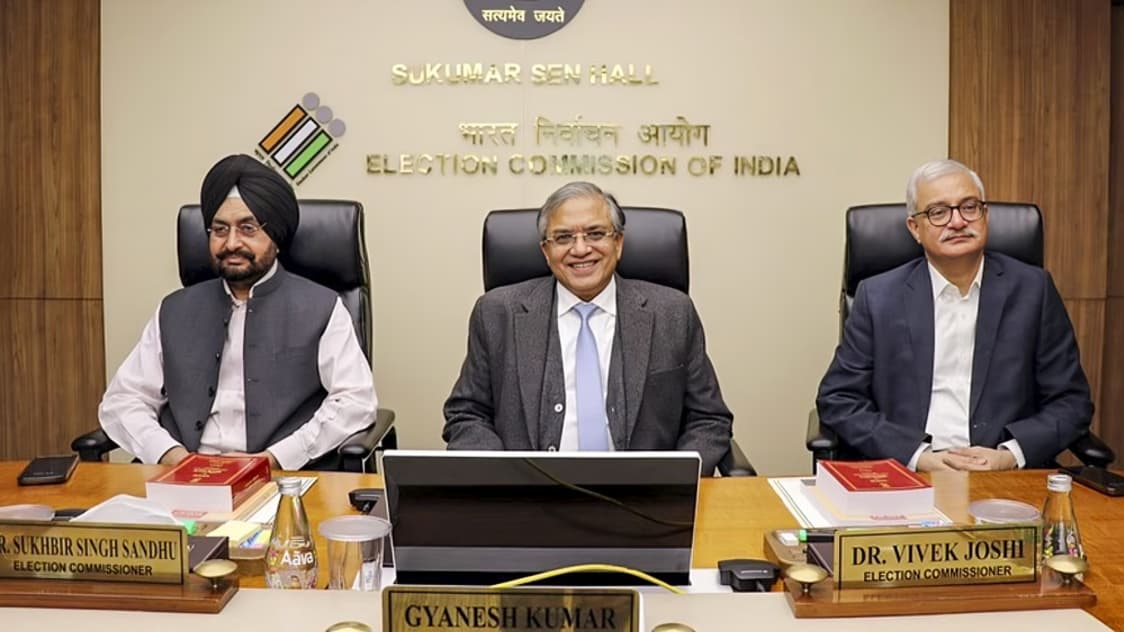
Election authorities, including the Election Commission of India, are overseeing preparations to ensure that the polling process is conducted in a free and fair manner. Voter awareness initiatives are also being carried out to encourage participation across different sections of society.
As campaigning progresses, Tiruppur is likely to remain a focal point for discussions on industrial growth and governance. The responses from business communities may play a role in influencing electoral outcomes, reflecting the broader importance of economic policy in shaping public opinion.