In a significant step toward improving women’s representation in Indian politics, the Union Cabinet has approved a set of legislative proposals that aim to reserve 33 percent of seats for women in the Lok Sabha and state legislative assemblies. The initiative is expected to come into effect from 2029, following the completion of necessary constitutional and electoral processes.
The proposed reforms include a constitutional amendment, referred to as the 131st Amendment Bill, along with delimitation related legislation. These measures are designed to restructure constituencies and ensure that one third of the seats are allocated for women candidates. The move is considered one of the most important electoral reforms in recent years, reflecting a long standing demand for greater gender representation in governance.
As part of the process, the total number of seats in the Lok Sabha and state assemblies is expected to increase. This expansion will be carried out through delimitation, which involves redrawing the boundaries of electoral constituencies based on population changes. The exercise will ensure that representation remains balanced while accommodating the reservation for women.
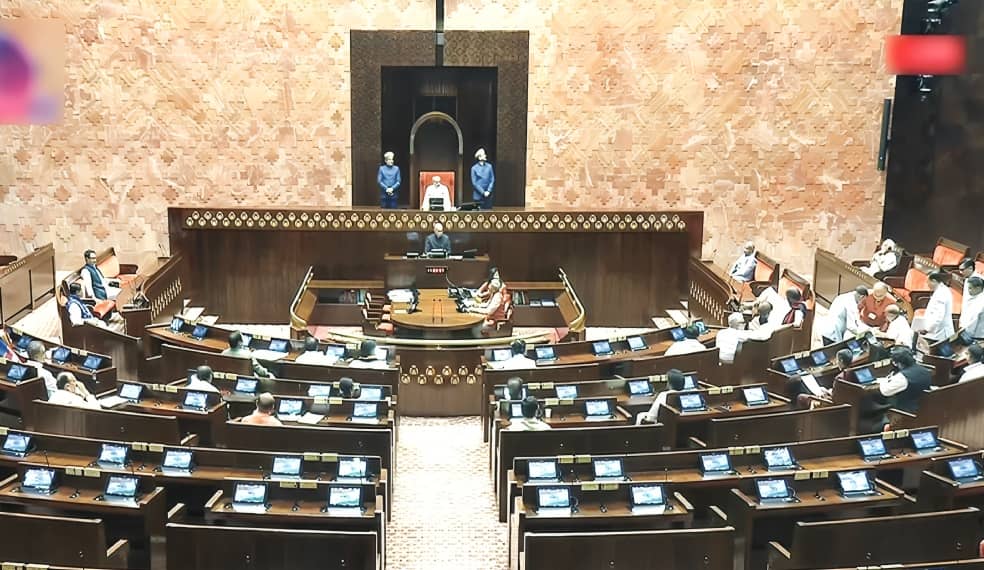
The government is preparing to introduce these draft bills in Parliament in the coming sessions. Once passed, the implementation will depend on the completion of the delimitation exercise, which is scheduled to take place after the next census. This is why the rollout of the reservation is expected from 2029 onwards.
The proposal aims to address the underrepresentation of women in legislative bodies. Currently, women hold a relatively small percentage of seats in both Parliament and state assemblies. By reserving one third of the seats, the government intends to create more opportunities for women to participate in decision making processes and contribute to policymaking.
Supporters of the move have welcomed it as a progressive reform that can lead to more inclusive governance. They argue that increasing women’s participation in politics can bring diverse perspectives and improve policy outcomes, particularly in areas such as health, education and social welfare.
However, some political observers have raised questions about the implementation timeline and the impact of delimitation on existing constituencies. There are also discussions about how the reservation will be rotated among constituencies to ensure fairness over time. These aspects are expected to be addressed during parliamentary debates.
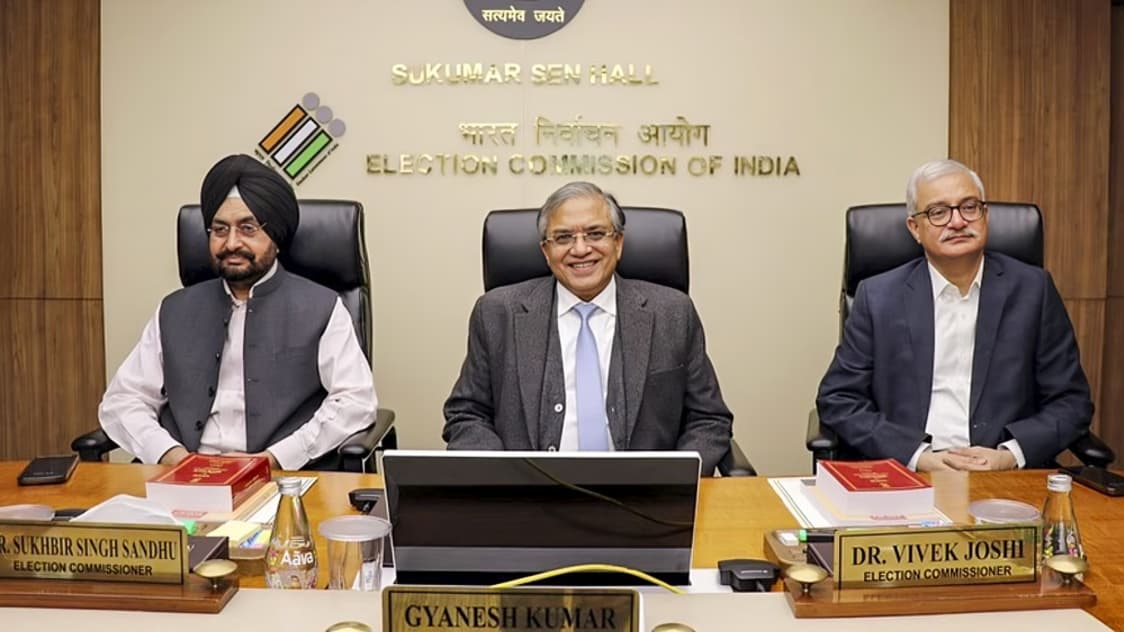
The Election Commission of India is likely to play a key role in implementing the changes once the legislation is passed. The process will involve coordination between various government bodies to ensure that the transition is smooth and transparent.
Overall, the approval of the constitutional amendment and delimitation bills marks a major milestone in India’s electoral reforms. If implemented as planned, the reservation for women could significantly reshape the political landscape by increasing female representation and promoting gender equality in governance.