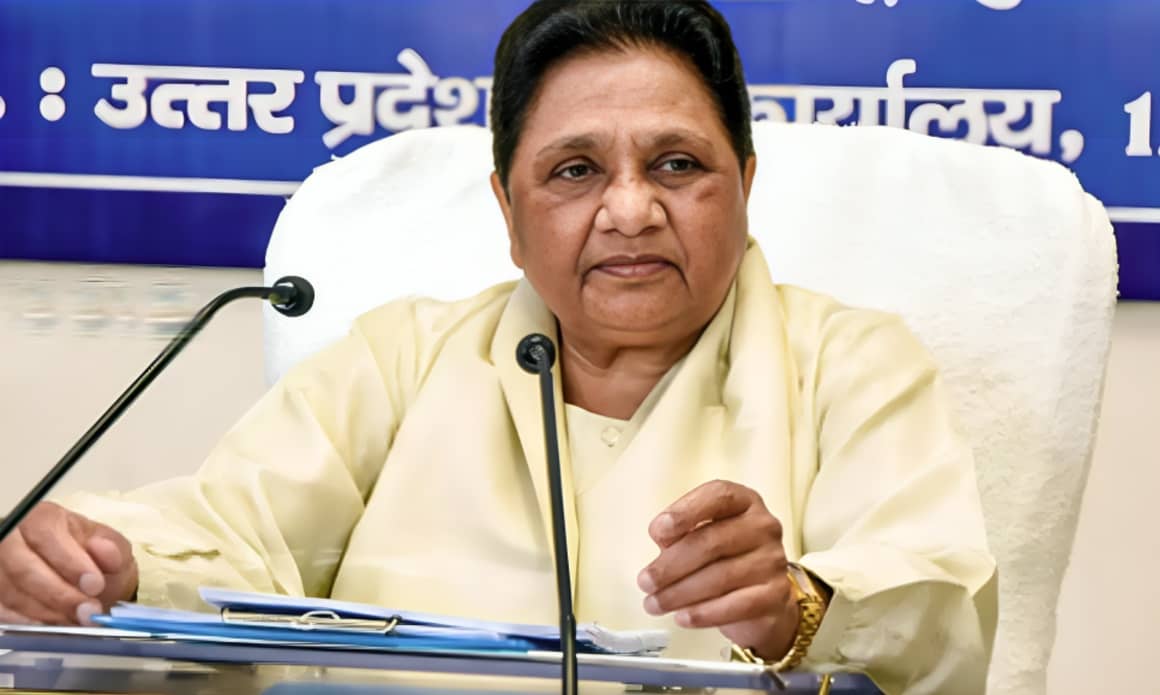
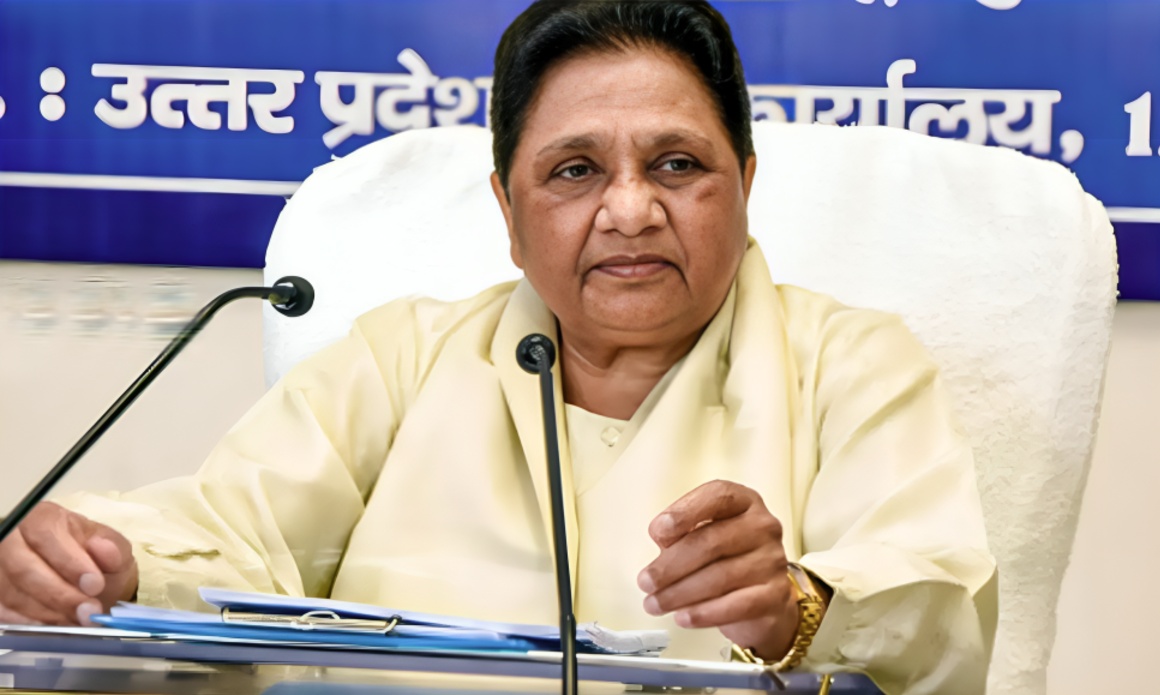
Bahujan Samaj Party leader Mayawati has criticised the ongoing political debate surrounding Vande Mataram, saying that governments should give greater priority to issues directly affecting the public.
Mayawati urged both the central government and state governments to concentrate on matters such as unemployment, economic difficulties and other problems faced by ordinary citizens. Her comments came amid a renewed political debate between the Bharatiya Janata Party and the Congress over the national song and its historical significance.
The debate over Vande Mataram has once again become a politically sensitive issue, with the BJP and Congress presenting contrasting positions. Leaders from both sides have referred to the history of the national song and its role in India's freedom movement while defending their respective viewpoints.
Mayawati, however, argued that the political focus should instead remain on issues that have a direct impact on people's lives. She particularly highlighted concerns relating to employment opportunities for young people.
Unemployment among India's youth has remained an important political and economic issue. Young people entering the workforce expect access to stable employment and opportunities for professional growth. Political parties frequently raise employment as a major issue during elections and legislative debates.
Mayawati's comments indicate that she wants governments to concentrate on these practical concerns rather than allowing political disagreements over historical or cultural issues to dominate public discussion.
The BSP leader has previously criticised both the BJP and Congress on issues concerning public welfare and governance. Her latest statement places her party's position separately from the two major national parties involved in the Vande Mataram debate.
The controversy surrounding Vande Mataram has involved questions about its historical background, national significance and the circumstances in which it should be sung. Supporters of the song have emphasised its importance during India's freedom struggle, while critics have raised concerns about aspects of its historical and religious context.
The BJP has generally emphasised Vande Mataram's contribution to India's national movement and its place in the country's history. Congress leaders have also acknowledged its historical importance while expressing their own views on how the song should be approached.
The disagreement has consequently developed into a wider political argument about nationalism, history and India's freedom movement.
Mayawati's intervention comes at a time when political parties are also facing pressure to address economic and social concerns. Issues such as employment, inflation, education, healthcare and livelihood opportunities remain important to citizens across different states.
For young people in particular, access to employment remains a major concern. India's large working-age population creates both an opportunity and a challenge for policymakers. Generating sufficient quality employment requires continued economic growth, investment, industrial development and expansion of the services sector.
Mayawati has therefore urged governments to focus their attention on such issues rather than allowing political controversies to overshadow public priorities.
Her remarks also highlight a broader question about the role of political debate in a democracy. National symbols and historical questions can generate strong public emotions and deserve informed discussion. At the same time, governments are responsible for addressing immediate administrative and economic challenges faced by citizens.
The Vande Mataram debate has emerged amid continuing political competition between the BJP and Congress. Both parties have sought to present their positions as being consistent with India's national history and values.
The BJP has used the issue to emphasise patriotism and the historical contribution of Vande Mataram to the freedom movement. Congress leaders have responded by discussing the song's history and the circumstances surrounding its use during the independence struggle.
The debate has consequently attracted attention beyond the question of the song itself. It has become part of a larger political discussion about nationalism, historical interpretation and the legacy of the freedom movement.
Mayawati's statement attempts to shift the focus towards everyday public concerns. She has argued that governments should prioritise matters that can improve people's lives and address the challenges facing the country's youth.
Employment generation is particularly important because a large number of young Indians enter the labour market every year. Policymakers must therefore create conditions that encourage investment, entrepreneurship and job creation.
Education and skill development are also closely connected to the employment issue. Young people need access to quality education and training that matches the requirements of the changing economy.
At the same time, public welfare extends beyond employment. Citizens also depend on effective healthcare, affordable education, infrastructure, social security and access to essential services.
Mayawati's call for governments to focus on public issues therefore covers a broad range of policy areas. Her argument is that political attention should be directed towards subjects that can produce measurable improvements in people's lives.
The controversy also demonstrates how historical and cultural issues can become major political subjects in India. National symbols often carry deep emotional significance, and debates surrounding them can attract strong reactions from political parties and sections of society.
A balanced approach requires political leaders to discuss historical issues responsibly while ensuring that governance priorities are not overlooked.
For the central and state governments, the challenge is to address immediate economic and social concerns while also handling debates involving national identity and history.
The Vande Mataram controversy is likely to remain part of political discourse as parties continue to discuss its historical significance. However, Mayawati has made it clear that she believes employment and public welfare should receive greater attention.
Her statement also provides the BSP with an opportunity to distinguish itself from the BJP and Congress on an issue that has generated considerable political debate.
The BSP has traditionally emphasised social justice, welfare and the concerns of disadvantaged sections of society. Mayawati's latest remarks are consistent with that broader political positioning, as she has called for greater attention to issues affecting ordinary people.
For citizens, particularly young people seeking employment, the debate over national symbols may be less immediate than access to jobs and economic opportunities. This is the central point highlighted by Mayawati in her latest comments.
Political debates over history and nationalism can continue through democratic discussion, but governments also need to maintain focus on administration and economic development.
The Vande Mataram issue has therefore become an example of the competing priorities that political parties face. While national identity and historical questions can be politically significant, economic and social issues require continuous policy attention.
As the debate continues, the focus is likely to remain divided between questions surrounding the national song and broader public concerns. Mayawati's intervention has added another political voice calling for governments to concentrate on unemployment and public welfare.
The larger question is how political institutions can balance debates over national identity with the practical responsibilities of governance. Employment creation, economic growth and public services require long term policy planning rather than short term political attention.
The discussion also reinforces the importance of evidence based political debate. Historical questions should be addressed through credible records and scholarship, while allegations and political claims should be clearly distinguished from established facts.
For the public, the priority remains effective governance and solutions to everyday challenges. Mayawati's comments reflect this perspective and call on governments to ensure that political controversies do not overshadow important issues affecting citizens.
The debate over Vande Mataram is likely to continue as the BJP and Congress defend their respective positions. However, the BSP leader has urged political leaders to broaden their focus and address unemployment and other public concerns.
Ultimately, national symbols and historical traditions remain important elements of India's public life. At the same time, governments must continue working on employment, education, healthcare, infrastructure and economic opportunities.
Mayawati's latest remarks have therefore brought the focus back to the question of public priorities. Her message to the Centre and state governments is that political attention should remain firmly connected to the needs of ordinary citizens and the country's long term development.