

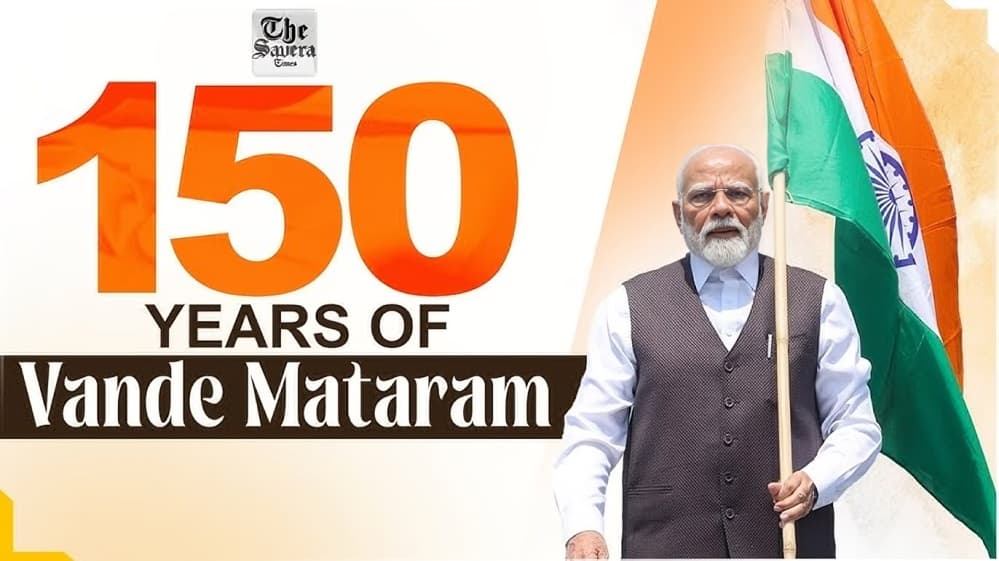
Vande Mataram, written by Bankim Chandra Chatterjee in the 19th century, is one of India’s most celebrated patriotic songs and played a pivotal role in inspiring the freedom movement. This year marks the 150th anniversary of the song, highlighting its historical, cultural, and national significance. To commemorate this milestone, Prime Minister Narendra Modi will lead a special discussion in the Lok Sabha today, bringing attention to the enduring legacy of this iconic work.
The session in Parliament is expected to include lawmakers from various political parties who will reflect on the song’s role in India’s struggle for independence and its continued importance in fostering national unity. The discussion will focus on both the literary contributions of Bankim Chandra Chatterjee and the ways in which Vande Mataram became a rallying cry during protests and movements against colonial rule.
Vande Mataram was first published in Chatterjee’s novel “Anandamath” in 1882. Its evocative lyrics, blending spiritual and patriotic themes, resonated deeply with Indians during the freedom struggle. The song was later adopted by the Indian National Congress during the early 20th century as a symbol of resistance and a source of inspiration for freedom fighters. Its verses encouraged courage, devotion, and sacrifice for the nation, making it an enduring emblem of patriotism.
Prime Minister Modi’s special discussion is expected to highlight the relevance of Vande Mataram in modern India. Beyond its historical role, the song continues to symbolize the country’s unity in diversity and its rich cultural heritage. Parliamentarians may also deliberate on the significance of promoting awareness about national symbols among younger generations, ensuring that the ideals and values associated with Vande Mataram remain integral to the country’s identity.
Educational institutions, cultural organizations, and citizens across India have celebrated the 150th anniversary through various initiatives, including seminars, competitions, and performances. These efforts aim to keep the legacy of the song alive and introduce its historical context to the youth, emphasizing the importance of understanding India’s journey to independence.
Experts note that commemorating Vande Mataram is not only about reflecting on history but also about drawing lessons for contemporary society. Its message of unity, devotion, and resilience resonates with current national priorities, including fostering social harmony and promoting patriotic values. The Lok Sabha discussion provides a platform to formally honour these contributions and inspire citizens to appreciate the historical significance of India’s national symbols.
The special parliamentary session is expected to conclude with recommendations on promoting awareness and incorporating discussions on patriotic literature and songs in educational curricula. By celebrating Vande Mataram’s 150th anniversary, India acknowledges its cultural heritage and pays tribute to the freedom fighters and literary figures who shaped the nation’s identity.


