
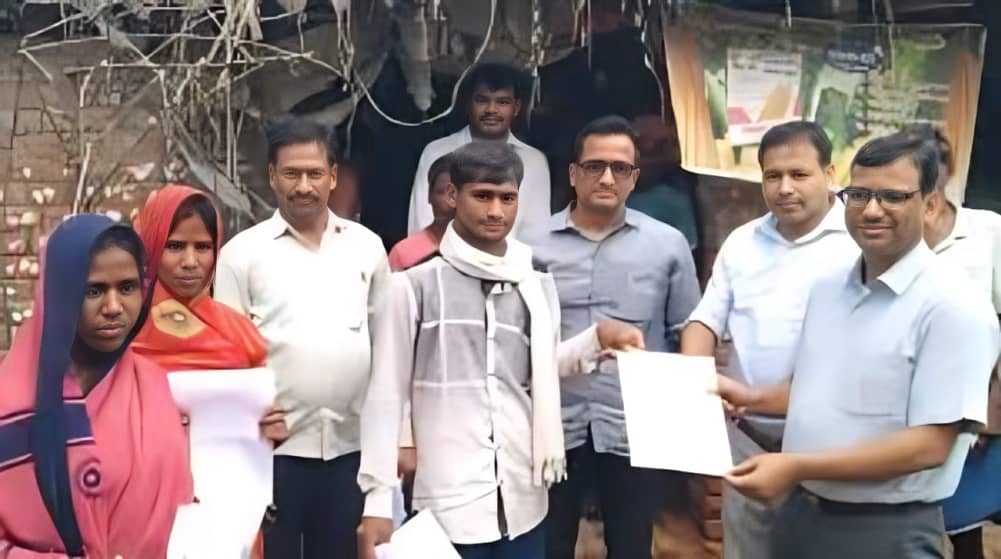
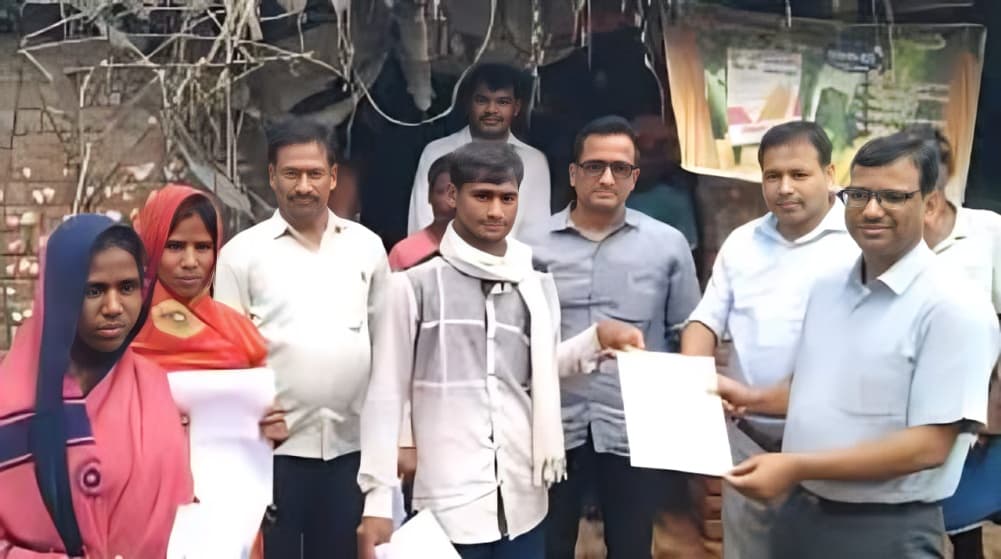
India’s nationwide voter list revision has triggered anxiety among communities that are historically at risk of exclusion. As the Election Commission updates the electoral rolls, several marginalized groups, including women, migrants, low-income households, and people living in remote areas, face difficulties in confirming their entries due to documentation and awareness gaps. Civil society organizations have voiced concerns that delays or omissions in the revision process could lead to disenfranchisement, impacting political representation and participation.
Experts note that voter list revision is crucial for maintaining accurate and updated electoral rolls. However, in practice, the process can be challenging for vulnerable groups who may lack the necessary identity documents, proof of residence, or digital access to check their names online. Migrant workers, particularly those moving between states for employment, often encounter difficulties in updating their voter registration, raising the risk of exclusion from the electoral process.
Local leaders and activists have highlighted several cases where citizens discovered their names missing from the draft voter lists, often due to bureaucratic errors or incomplete documentation. In some rural and tribal areas, literacy and language barriers further complicate the verification and correction process. These gaps have prompted civil society groups to conduct awareness drives, assist in the submission of necessary forms, and coordinate with election officials to ensure inclusion.
The Election Commission has urged all citizens to verify their names in the voter lists and report discrepancies before the revision deadline. Officials emphasize that the process is intended to strengthen electoral integrity and prevent duplication, while ensuring that eligible voters are not left out. Measures include mobile verification units, local help centers, and online platforms to check and correct entries.
Women, in particular, face unique challenges. Studies and surveys indicate that gender disparities in access to identity documents can lead to underrepresentation in voter rolls. Efforts to encourage women to participate in the verification process include community outreach and support from local NGOs. Similarly, migrants and informal sector workers are being guided on how to update their voter registration in line with their current residence.
The implications of exclusion are significant. Missing from the voter list denies individuals the right to participate in democratic decision-making, potentially skewing election outcomes and undermining representation for marginalized groups. Advocacy organizations are emphasizing that inclusive electoral processes are vital for social equity, accountability, and robust democracy.
In conclusion, while voter list revision is essential for electoral accuracy, it has highlighted vulnerabilities in India’s registration system. Ensuring that marginalized and at-risk communities are included requires targeted interventions, awareness campaigns, and active support from both civil society and electoral authorities. The ongoing efforts aim to safeguard voting rights, enhance political participation, and strengthen democratic representation across all sections of Indian society.


