Voting has officially begun in the states of Kerala and Assam, along with the Union Territory of Puducherry, marking a significant phase in India’s electoral calendar. More than 5.3 crore voters are eligible to cast their votes across these regions, making it one of the largest democratic exercises in recent months. The results of the elections are expected to be announced on May 4.
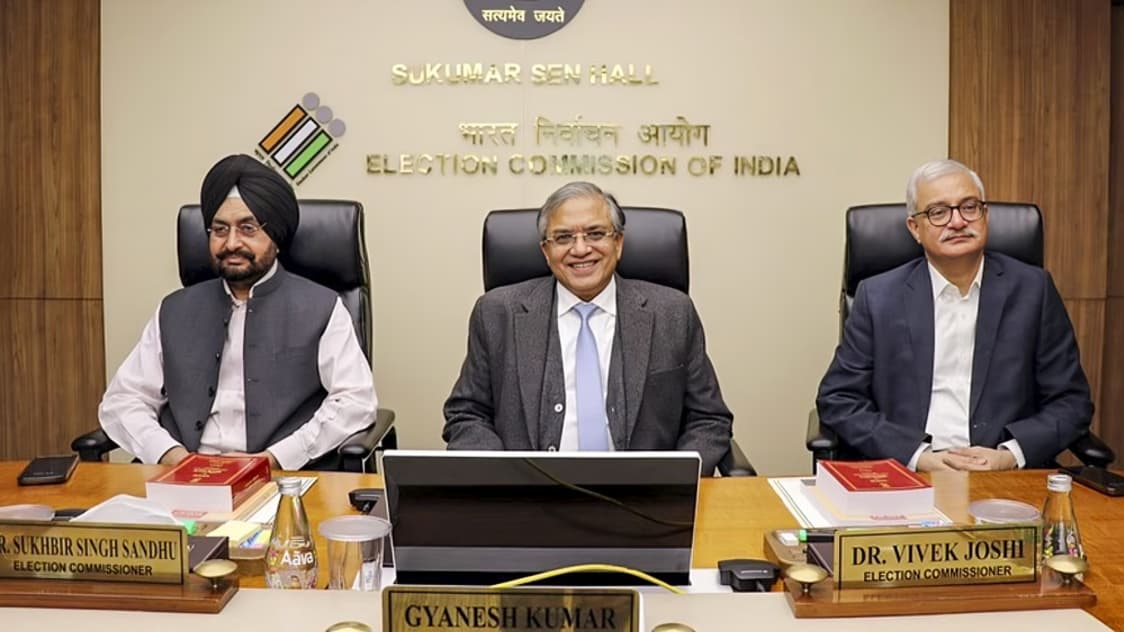
The elections are being conducted under the supervision of the Election Commission of India, which has implemented comprehensive measures to ensure a smooth and transparent voting process. Polling stations have been set up in urban and rural areas, with arrangements made to facilitate easy access for all voters. Special provisions have been introduced for senior citizens, persons with disabilities and first time voters to encourage wider participation.
Security has been heightened across all polling areas to maintain law and order. Central and state security forces have been deployed in sensitive regions, and monitoring systems have been strengthened to prevent any electoral malpractices. Authorities have also increased surveillance and coordination to ensure peaceful voting throughout the polling period.
The elections are taking place at a time when global geopolitical tensions have raised concerns about economic stability. Rising oil prices and disruptions in global supply chains have contributed to inflationary pressures, affecting households and businesses alike. Analysts believe that these factors could play a role in shaping voter preferences, as economic issues often influence electoral outcomes.
In Kerala, key issues include employment, welfare schemes, and infrastructure development. Assam’s elections are focused on regional development, identity related concerns and economic growth. In Puducherry, debates around governance, economic opportunities and administrative powers continue to dominate political discussions. Political parties have campaigned actively on these issues, presenting their visions and promises to the electorate.
Voter turnout is expected to be closely monitored, as participation levels often reflect public engagement and confidence in the democratic process. Authorities have conducted awareness campaigns to encourage citizens to exercise their right to vote responsibly. Efforts have also been made to ensure that polling is accessible and inclusive.
The outcome of these elections will have a significant impact on the political landscape of the respective regions. It will determine not only the leadership but also the policy direction for the coming years. Observers believe that the results could also provide insights into broader national political trends, especially in the context of economic challenges and global uncertainties.
Overall, the elections in Kerala, Assam and Puducherry represent an important democratic exercise, taking place under both domestic and international influences. The results, when announced, are expected to shape governance priorities and political strategies in these regions for the foreseeable future.