
West Bengal is entering a critical phase as the state prepares for the 2026 assembly elections. Political activities have intensified, with major parties mobilizing resources and laying the groundwork for a high-stakes contest. The state’s political landscape is already showing signs of heightened tension as parties gear up for what promises to be a fiercely contested election.
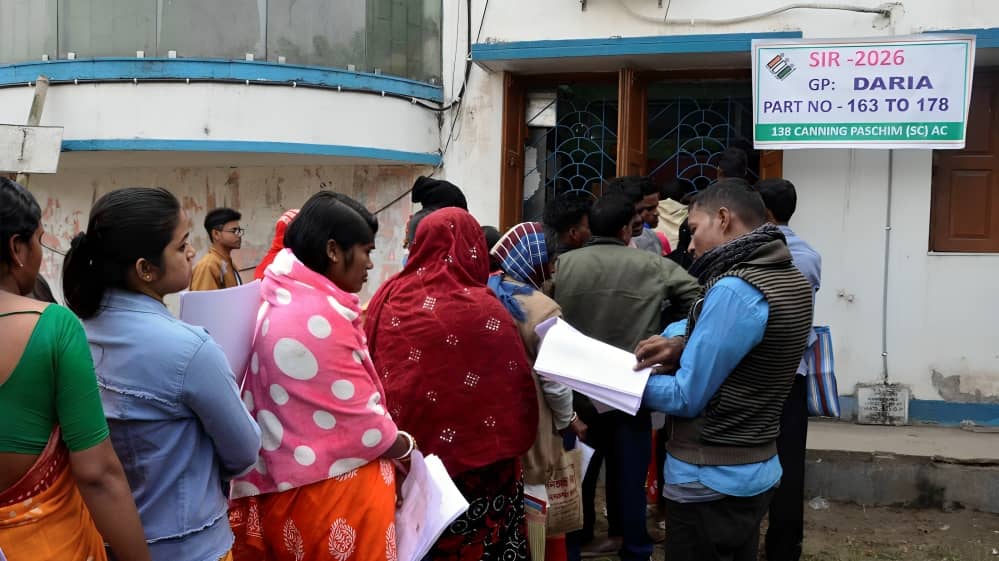
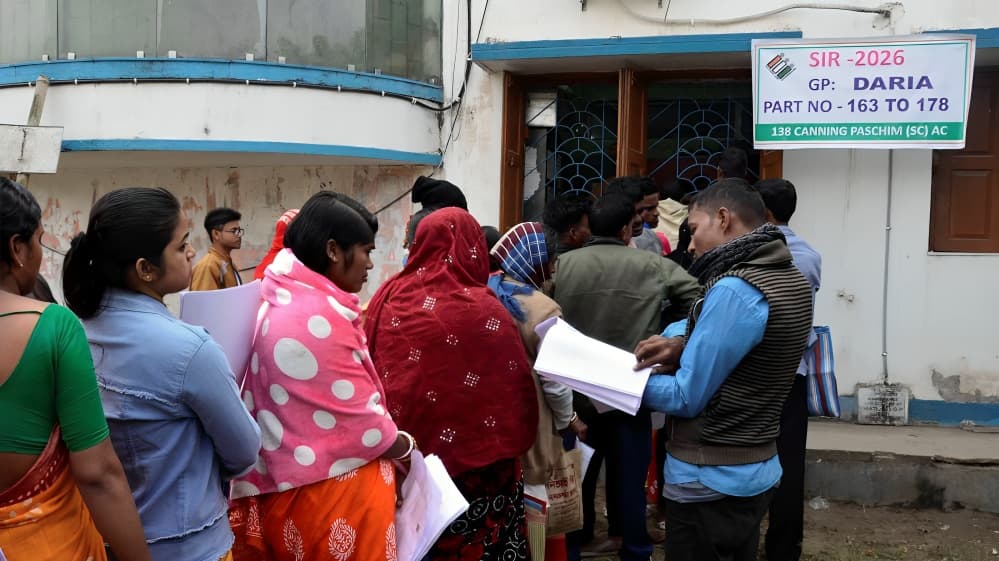
The Election Commission of India (ECI) has begun targeted revisions of electoral rolls, which has added urgency to campaign strategies. Political analysts note that updating voter lists and ensuring eligibility checks are critical steps in preventing electoral irregularities. This process is closely monitored by all parties, as even minor changes in voter demographics can influence outcomes in closely contested constituencies.
The ruling Trinamool Congress (TMC), led by Mamata Banerjee, is seeking to retain power and has launched early outreach campaigns. Party leaders are emphasizing past development initiatives, infrastructure projects, and welfare programs in their messaging. Rallies and public meetings have been organized across urban and rural constituencies to energize party workers and connect directly with voters. TMC strategists are particularly focusing on consolidating their traditional support base while attempting to appeal to undecided voters in swing constituencies.
The Bharatiya Janata Party (BJP), aiming to expand its footprint in West Bengal, has also intensified its campaign efforts. Party workers are conducting grassroots-level outreach, addressing local issues such as employment, education, and law and order. The BJP’s strategy includes mobilizing first-time voters and regions where the party believes anti-incumbency sentiment can be leveraged. Early rallies and public campaigns are being organized to strengthen the party’s presence in key districts.
Observers note that the political competition is already creating a charged atmosphere across the state. Election-related events, including rallies, roadshows, and protests, are drawing attention from media and voters alike. Both parties are utilizing digital campaigns, social media outreach, and traditional canvassing methods to engage with voters. The focus on electoral rolls and voter verification processes underscores the importance of ensuring free and fair elections while maintaining public trust.
The elections in West Bengal are expected to influence national political narratives, given the state’s strategic importance and voter base. Analysts predict that issues such as development, employment, law and order, and welfare will dominate the discourse, while party loyalties, caste dynamics, and local concerns will play a critical role in voter decision-making.
As West Bengal moves closer to the elections, the next few weeks will be crucial for political mobilization, strategy implementation, and voter engagement. Both ruling and opposition parties are preparing for an intense electoral battle, with early momentum likely to play a significant role in shaping voter perceptions and influencing the overall outcome of the 2026 assembly elections.


