As West Bengal moves closer to the 2026 Assembly elections, political exchanges between major parties are becoming increasingly intense. Bharatiya Janata Party leader Dilip Ghosh has made strong remarks targeting Chief Minister Mamata Banerjee, raising questions about her political confidence and preparedness ahead of the polls.
Speaking to reporters in Kharagpur, Ghosh questioned why the Chief Minister appeared concerned in the current political climate. He suggested that recent developments, including administrative changes and election related measures, may have impacted her political standing. His comments reflect the growing political rivalry between the BJP and the ruling Trinamool Congress in the state.
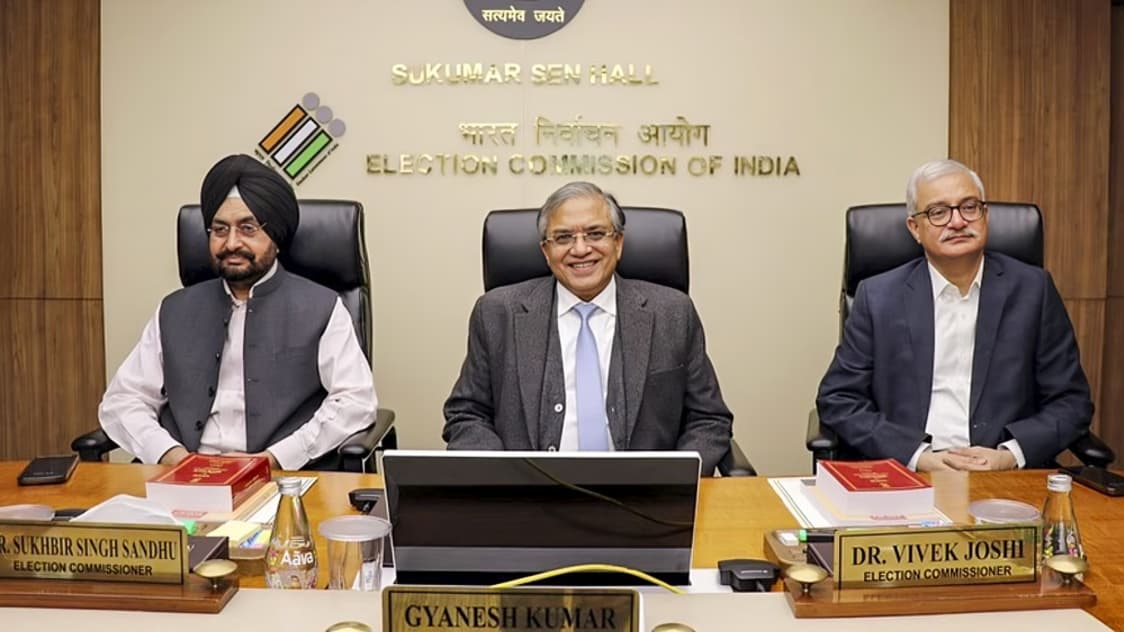
The remarks come at a time when election preparations are in full swing across West Bengal. Political parties have begun strengthening their campaigns, focusing on voter outreach and constituency level strategies. The Election Commission has also initiated key administrative steps, including the transfer of officials, to ensure a fair and transparent electoral process.
The Trinamool Congress, led by Mamata Banerjee, has been highlighting its governance record and welfare initiatives as part of its campaign strategy. The party continues to focus on development programs and social welfare schemes aimed at various sections of society. At the same time, opposition parties, including the BJP, are actively raising issues related to governance, transparency, and administrative decisions.
Political analysts note that such statements are a common feature during election periods, as parties seek to influence public perception and consolidate support. The exchange of criticism between leaders often reflects the competitive nature of the electoral process, particularly in states like West Bengal where political contests are closely fought.
The BJP has been working to expand its presence in West Bengal over the past several years, positioning itself as a key challenger to the ruling Trinamool Congress. The party has been focusing on organizational strengthening and voter engagement to improve its performance in the upcoming elections.
Meanwhile, the Congress and Left parties are also part of the electoral landscape, contributing to a multi cornered contest. The presence of multiple political players is expected to make the elections highly competitive, with voter preferences playing a decisive role in determining the outcome.
Election authorities have reiterated their commitment to conducting the polls in a free and fair manner. Measures are being taken to enforce the Model Code of Conduct, monitor campaign activities, and ensure smooth voting and counting processes.
As the election dates approach, political campaigns are expected to intensify further, with leaders from all major parties addressing public meetings and presenting their agendas. The focus will remain on key issues such as development, employment, governance, and social welfare.
The statements made by Dilip Ghosh add to the ongoing political discourse in the state, highlighting the sharp contest expected in the 2026 Assembly elections. Ultimately, the outcome will depend on how voters respond to the competing narratives presented by different political parties.