As West Bengal prepares for the 2026 Assembly elections, political dynamics in the state are undergoing noticeable shifts, particularly within the minority voter base. Traditionally considered a strong support base for the ruling Trinamool Congress, this segment is now witnessing increased political attention from multiple parties, including smaller Muslim outfits and the Indian National Congress.
Political observers suggest that the emergence of new regional groups representing minority interests has added a new dimension to the electoral landscape. These smaller outfits are actively engaging with voters at the grassroots level, focusing on local issues such as access to education, employment opportunities, and infrastructure development. Their campaigns aim to address concerns that some sections of the minority community feel have not been adequately represented.
At the same time, the Congress party is making efforts to regain its lost ground in West Bengal. By strengthening its organizational structure and increasing its outreach among minority voters, the party is positioning itself as an alternative political option. This renewed activity has the potential to influence voting patterns, especially in constituencies where margins of victory have historically been narrow.
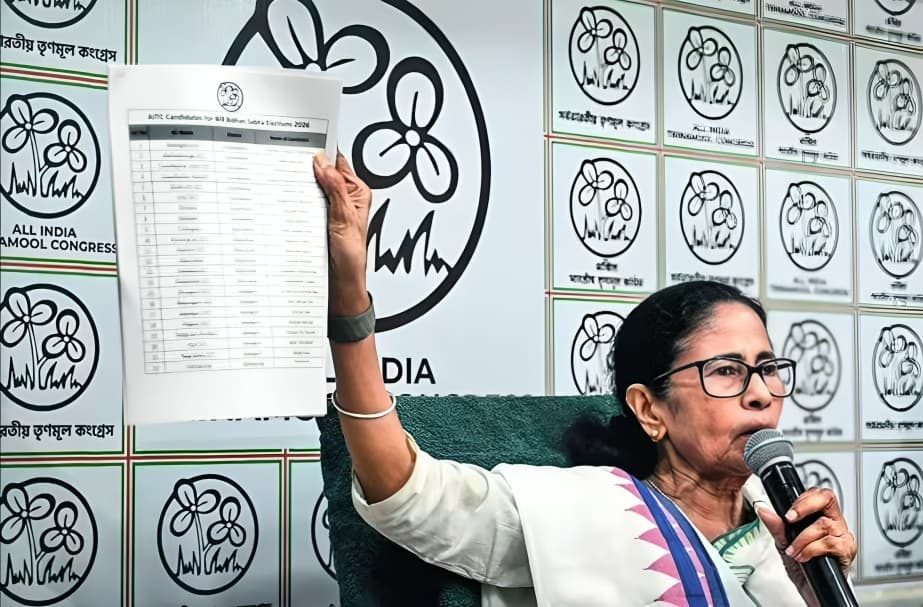
The Trinamool Congress, led by Chief Minister Mamata Banerjee, has traditionally enjoyed significant support from minority communities. Over the years, the party has implemented various welfare schemes and development initiatives aimed at improving socio economic conditions. However, recent political developments indicate that voter expectations are evolving, with a growing emphasis on representation, transparency, and equitable development.
Analysts believe that even a slight shift in the minority vote could have a measurable impact on election outcomes in several constituencies. West Bengal has a considerable minority population, making it a decisive factor in many electoral contests. As a result, all major political players are intensifying their efforts to connect with these voters.
The upcoming elections are expected to witness a multi cornered contest, with the Trinamool Congress, Bharatiya Janata Party, Congress, and left parties all vying for influence. In this competitive environment, voter behavior is likely to play a crucial role in determining the final outcome.
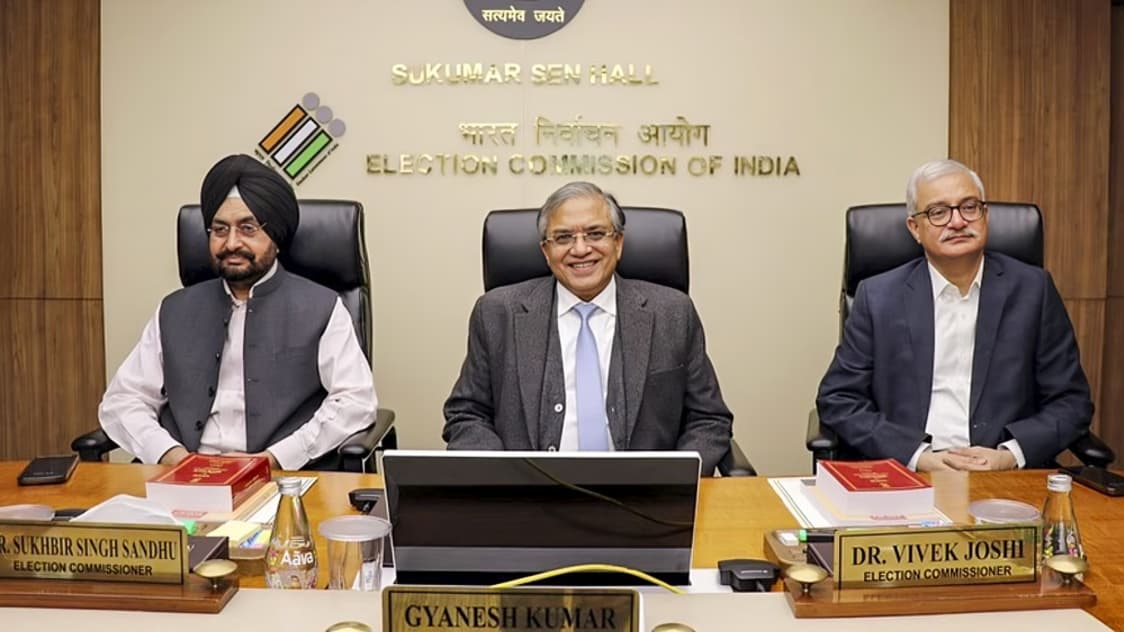
Election authorities are also preparing to ensure that the electoral process is conducted smoothly and in accordance with established guidelines. Voter awareness campaigns and administrative measures are being strengthened to encourage maximum participation and maintain transparency.
The evolving political scenario in West Bengal highlights the dynamic nature of democratic processes, where voter preferences can change based on emerging issues and perceptions. As campaigning gains momentum in the coming months, the focus will remain on how effectively political parties address the concerns of different sections of society.
The situation also reflects a broader trend in Indian politics, where regional factors, community representation, and development issues increasingly shape electoral outcomes. The 2026 West Bengal Assembly elections are expected to provide further insight into these changing patterns and their impact on governance.