As India moves closer to the 2026 election cycle, political analysts are increasingly focusing on the role of women voters in shaping electoral outcomes across key states such as Tamil Nadu West Bengal and Kerala. Women constitute a significant portion of the electorate, and their voting preferences are expected to have a strong impact on the results.
In recent years, political parties have introduced various welfare schemes aimed at women, including financial assistance programs, subsidized goods, and social support initiatives. While these measures have provided relief to many households, there is growing evidence that women voters are looking beyond immediate benefits and evaluating broader issues that affect their daily lives.
Economic concerns are emerging as a key factor influencing voter sentiment. Many households are facing financial pressures due to rising costs of living, limited job opportunities, and uncertainties in income. Women, who often manage household budgets, are directly affected by these challenges. As a result, they are paying closer attention to policies related to employment, price stability, and economic growth.
In Tamil Nadu, homemakers are assessing government schemes in relation to their long term financial security. While cash transfers and subsidies have provided short term support, questions remain about sustainability and future opportunities. Women voters in the state are also considering factors such as education, healthcare, and infrastructure when making their electoral choices.
In West Bengal, voter sentiment is influenced by a combination of economic and social factors. Women voters are evaluating governance, safety, and access to public services. Their participation in elections has been consistently high, and their choices often reflect a balance between immediate needs and long term aspirations.
Kerala presents a unique context, with many families having members working abroad. Women in such households often manage finances and make key decisions in the absence of family members. Their voting preferences are shaped by concerns related to remittances, employment opportunities, and social welfare. They are also attentive to policies that affect migration and economic stability.
Political experts note that fear, uncertainty, and unmet aspirations can influence voter behavior. While welfare schemes remain important, they may not be sufficient to secure long term support if underlying issues are not addressed. Women voters are increasingly seeking accountability and effective governance from political leaders.
Campaign strategies are also evolving to address these concerns. Political parties are engaging with women voters through targeted outreach programs, community meetings, and digital platforms. The aim is to understand their priorities and present policies that resonate with their needs.
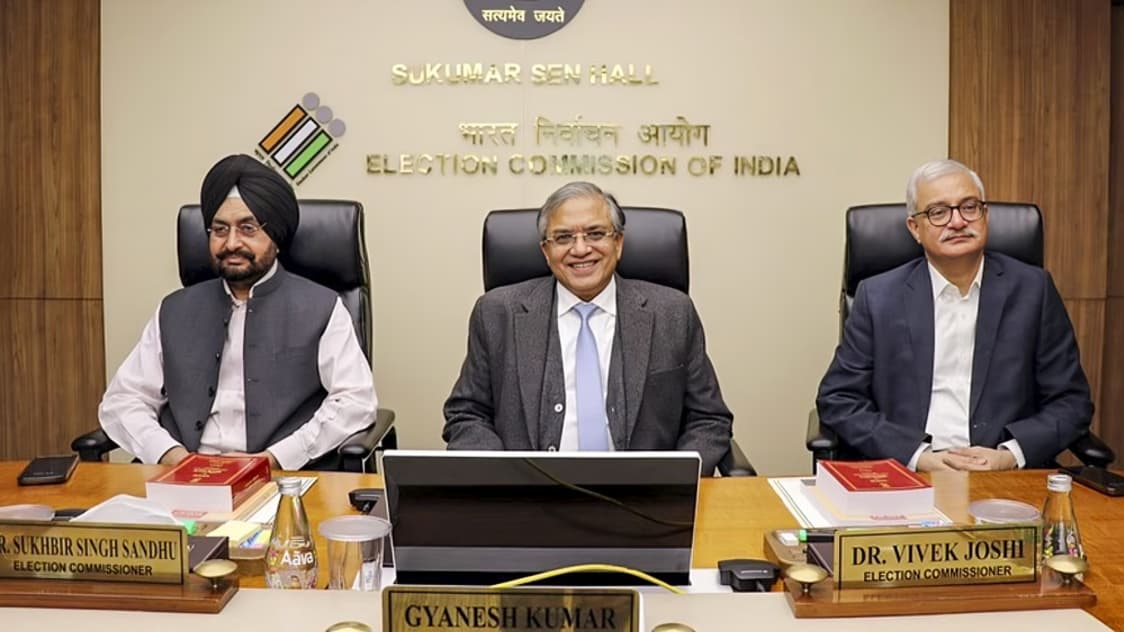
The Election Commission has also emphasized the importance of encouraging women’s participation in the democratic process. Efforts are being made to ensure safe and accessible voting environments, which can further increase turnout among women voters.
Overall, women voters are expected to play a crucial role in the 2026 elections. Their decisions will likely be influenced by a combination of economic conditions, social factors, and governance issues. As political parties prepare for the elections, understanding and addressing the concerns of women voters will be essential for shaping electoral success.