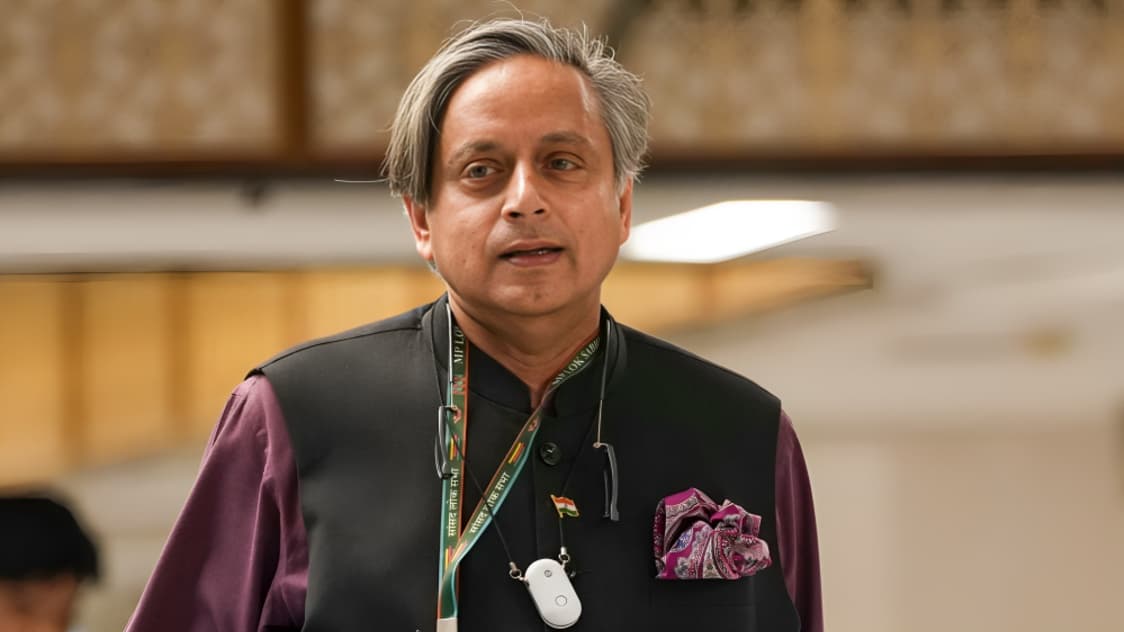
The Aircraft Act of 1934 has long governed India's civil aviation sector. However, over the past nine decades, the aviation industry has undergone dramatic changes, including advancements in technology, safety standards, and operational practices. The introduction of the Bharatiya Vayuyan Vidheyak seeks to address the outdated aspects of the old act and bring the regulatory framework up to speed with the modern era.
The new bill proposes stringent safety measures, incorporating international best practices to ensure the highest standards of aviation safety. This includes updated protocols for aircraft maintenance, pilot training, and air traffic management.By streamlining bureaucratic procedures, the bill aims to reduce red tape and improve efficiency in the aviation sector. This is expected to facilitate quicker approvals for new airlines, routes, and aviation infrastructure projects.
Recognizing the rapid advancements in aviation technology, the Bharatiya Vayuyan Vidheyak includes provisions for the integration of new technologies such as unmanned aerial vehicles (drones) and advancements in aircraft design and navigation systems.
The bill introduces regulations to minimize the environmental impact of aviation activities. This includes measures to reduce carbon emissions, manage noise pollution, and promote sustainable aviation practices.To safeguard passenger interests, the new bill outlines clear guidelines for passenger rights, compensation policies, and grievance redressal mechanisms. This aims to enhance the overall travel experience and ensure fair treatment of passengers.
The introduction of the Bharatiya Vayuyan Vidheyak is poised to bring several positive changes to the Indian aviation industry.By creating a more conducive regulatory environment, the bill is expected to attract greater investment in the aviation sector. This could lead to the expansion of existing airlines, the entry of new players, and the development of modern aviation infrastructure.
Aligning India’s aviation regulations with international standards will enhance the country's competitiveness in the global aviation market. This could lead to increased international collaborations and a higher volume of air traffic to and from India.The updated safety regulations and streamlined processes will likely result in safer and more efficient aviation operations. This will not only protect passengers and crew but also reduce operational costs for airlines.
While the Bharatiya Vayuyan Vidheyak promises numerous benefits, its successful implementation will require addressing several challenges.Shifting from the old regulatory framework to the new one will involve a transition period during which stakeholders will need to adapt to new rules and procedures. Effective communication and training will be crucial during this phase.
Ensuring compliance with the new regulations will require robust enforcement mechanisms and regular monitoring. This may necessitate additional resources and infrastructure.As the aviation industry continues to evolve, the regulatory framework must strike a balance between encouraging innovation and maintaining stringent safety and operational standards.
The introduction of the Bharatiya Vayuyan Vidheyak in the Lok Sabha marks a pivotal moment in the modernization of India's aviation sector. By replacing the 90-year-old Aircraft Act, the new bill aims to create a regulatory environment that is responsive to contemporary needs and challenges. As India moves forward with this legislative update, the focus will be on ensuring a smooth transition, effective enforcement, and fostering a safe, efficient, and sustainable aviation industry.