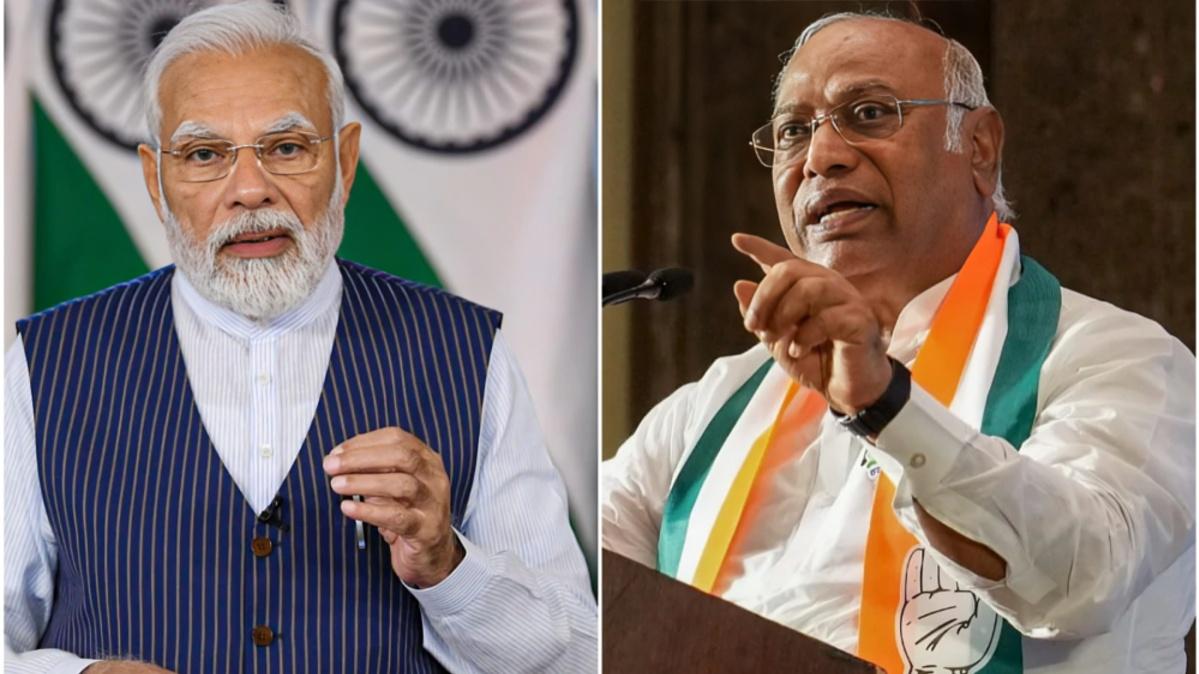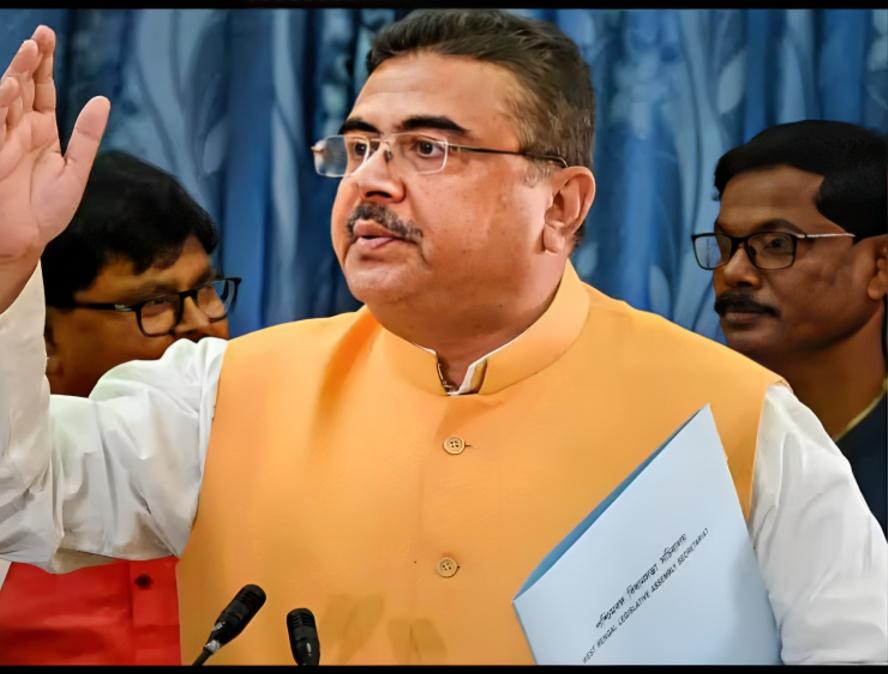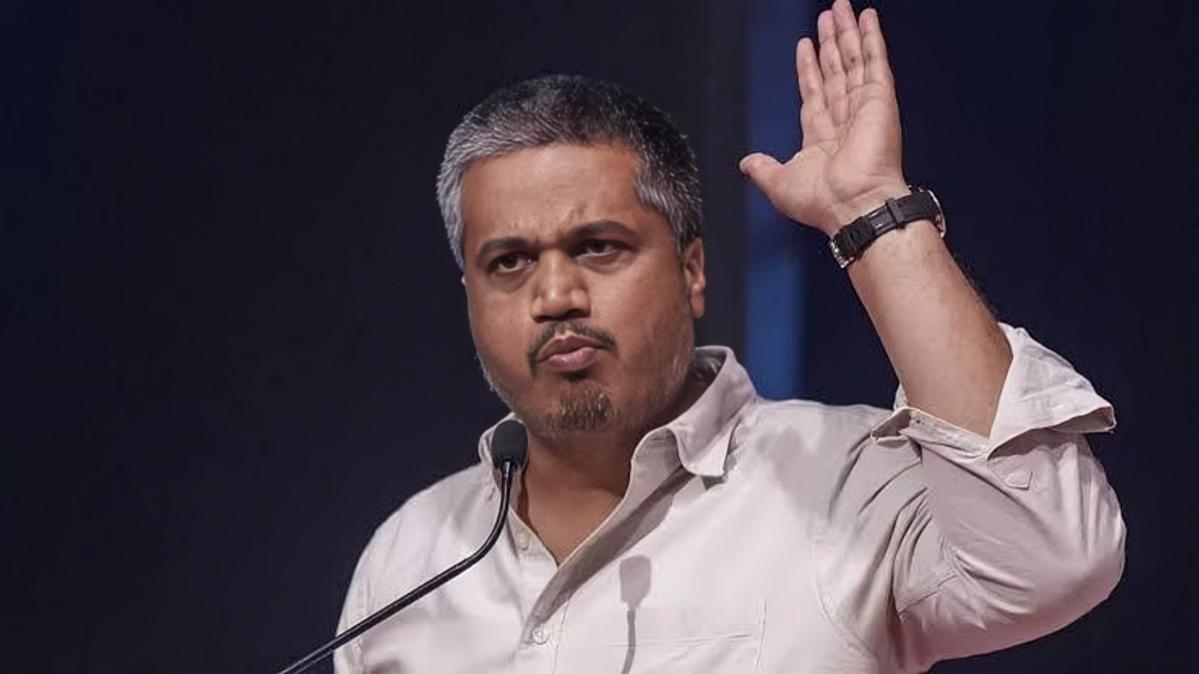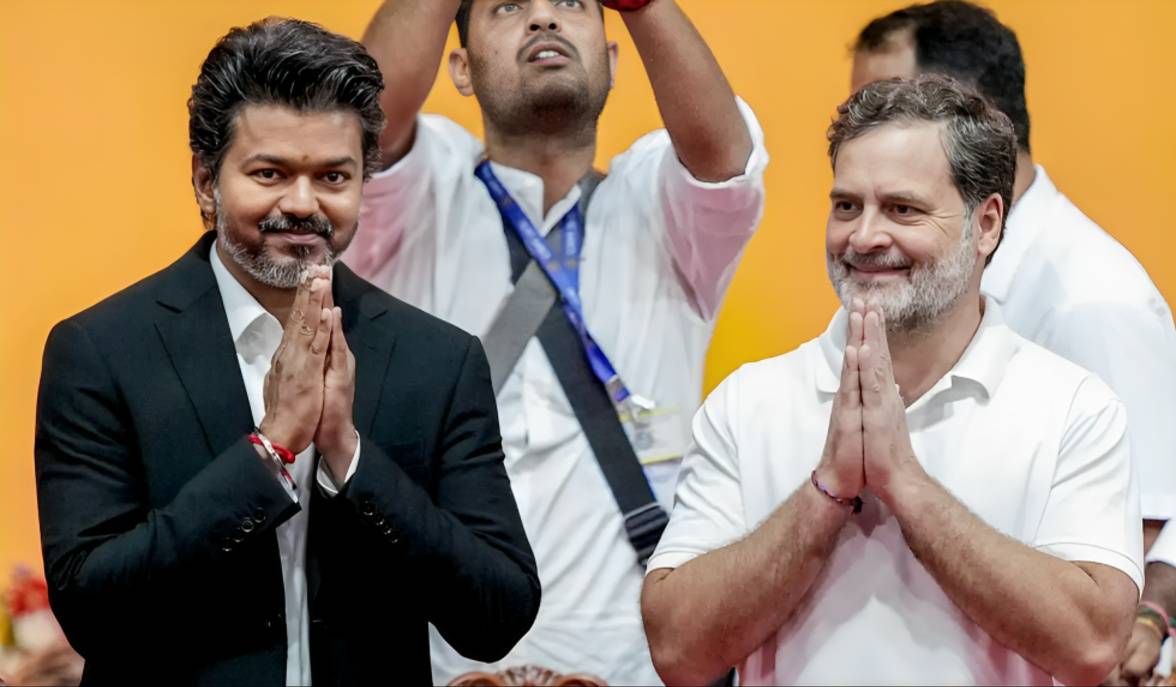
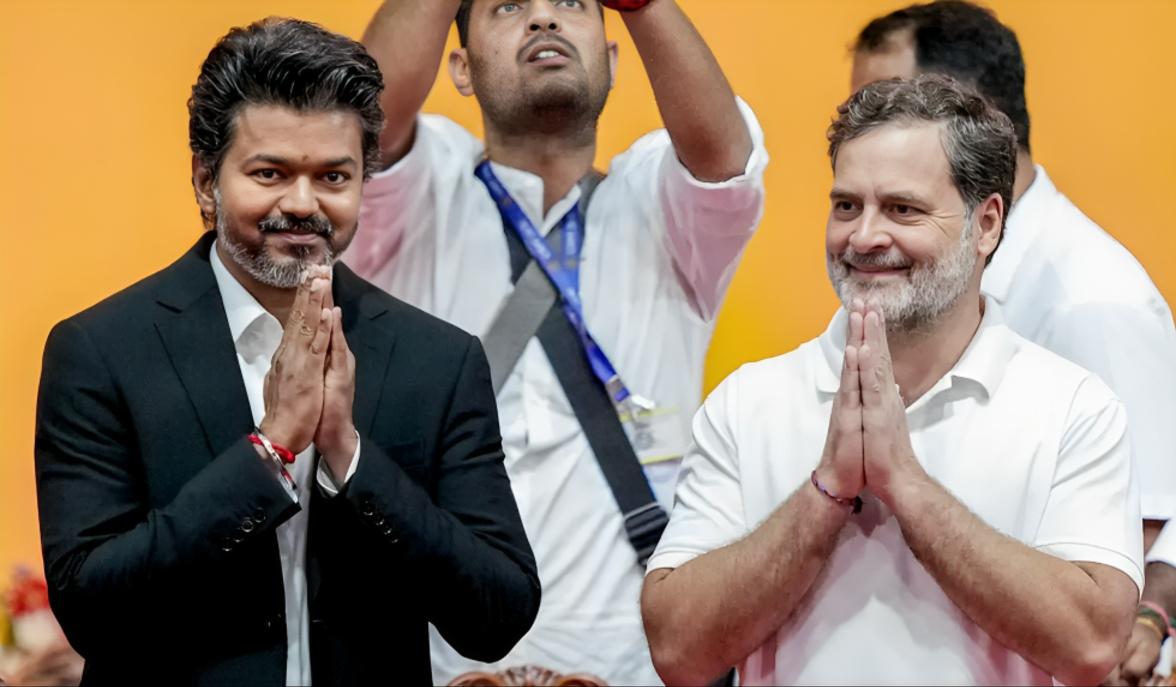
Bharatiya Janata Party MP Sudhanshu Trivedi has criticised the Tamil Nadu government led by Chief Minister Vijay and leaders of the INDIA bloc over the ongoing Deepathoon controversy.
The BJP leader alleged that the state government had failed to comply with a Supreme Court order concerning the issue. He described the alleged noncompliance as a serious matter involving constitutional responsibilities and respect for judicial authority.
Trivedi also criticised Congress leader Rahul Gandhi, bringing the controversy into the broader political debate involving national and regional parties.
The allegations have renewed discussions about the responsibilities of elected governments, the implementation of judicial orders and the protection of religious practices within the constitutional framework.
Sudhanshu Trivedi Raises Constitutional Concerns
Sudhanshu Trivedi accused the Tamil Nadu government and the INDIA bloc of showing disregard for constitutional principles through their alleged handling of the Deepathoon issue.
The BJP MP questioned the conduct of political leaders in connection with the reported Supreme Court order.
His criticism focused on the obligation of government authorities to respect judicial decisions and implement applicable directions issued by constitutional courts.
However, the allegations made by Trivedi represent the political position of the BJP. Whether the state government has violated any judicial direction must be determined through the relevant court records and legal proceedings.
A political allegation of contempt does not constitute a judicial finding of contempt.
Rahul Gandhi Faces Criticism From BJP
The BJP leader also targeted Congress leader Rahul Gandhi over the controversy, questioning the position of opposition leaders on constitutional accountability.
Rahul Gandhi and other opposition leaders have frequently raised issues concerning constitutional rights, democratic institutions and government accountability in national political discussions.
Trivedi sought to challenge their position by referring to the alleged noncompliance with the Supreme Court order in Tamil Nadu.
The criticism reflects the continuing political disagreements between the BJP and opposition parties over governance, constitutional principles and the functioning of public institutions.
Rahul Gandhi's response to the specific allegations was not included in the available information.
Deepathoon Issue Draws Political Attention
The Deepathoon controversy involves questions surrounding religious observances, administrative decisions and judicial directions.
Religious practices associated with traditional places of worship can hold considerable cultural and historical significance for local communities.
Disagreements concerning such practices may involve questions of access, administrative permissions, public safety and the interpretation of legal rights.
When these matters become subject to judicial proceedings, the concerned authorities must act in accordance with applicable court directions and legal requirements.
The latest political criticism has brought renewed attention to the Deepathoon dispute and the role of the Tamil Nadu administration in addressing the matter.
The precise scope of the Supreme Court order and the obligations imposed on the concerned authorities require examination of the original judicial documents.
Importance of Supreme Court Orders
The Supreme Court of India is the highest judicial authority in the country and plays an important role in interpreting the Constitution and protecting legal rights.
Under Article 141 of the Constitution, the law declared by the Supreme Court is binding on all courts within India.
Article 144 requires civil and judicial authorities across the country to act in aid of the Supreme Court.
Government authorities are expected to comply with applicable judicial directions. If difficulties arise in implementing an order, the concerned parties may seek clarification or other appropriate relief through legal procedures.
Whether a particular action constitutes contempt of court depends on the circumstances, the nature of the judicial direction and the findings of the competent court.
These constitutional provisions provide important context for the allegations raised by the BJP leader.
Religious Freedom and Constitutional Responsibilities
The Constitution of India guarantees freedom of conscience and the right to profess, practise and propagate religion under Article 25, subject to public order, morality, health and other constitutional provisions.
Religious freedom must therefore be considered alongside applicable laws, public safety requirements and judicial directions.
Government authorities are responsible for maintaining public order while protecting constitutional rights and ensuring that administrative decisions remain consistent with the law.
Disputes involving religious observances require careful consideration of legal provisions, historical practices and the interests of affected communities.
Judicial intervention can help resolve disagreements when questions arise regarding the interpretation or implementation of these rights.
Tamil Nadu Government Faces Political Questions
The allegations made by Sudhanshu Trivedi have placed the Tamil Nadu government under political scrutiny regarding its handling of the Deepathoon controversy.
The BJP has questioned whether the administration has fulfilled its responsibilities concerning the reported Supreme Court order.
However, assessing the conduct of the state government requires examination of the relevant judicial directions, administrative decisions and actions taken by the concerned officials.
The available information does not establish whether the government has formally responded to the allegations or provided an explanation regarding the implementation of the order.
An official response from the Tamil Nadu administration would provide additional context and help clarify its position on the dispute.
Political Debate Over Judicial Accountability
The Deepathoon controversy has become part of a wider political discussion concerning the relationship between elected governments and judicial institutions.
In a constitutional democracy, the executive, legislature and judiciary perform distinct functions while operating within the framework established by the Constitution.
Respect for judicial independence and compliance with applicable court orders are important elements of the rule of law.
Political parties may express different interpretations of government actions, but legal conclusions must be based on evidence and judicial findings rather than political statements alone.
The allegations raised by the BJP have highlighted the importance of transparency and accountability in addressing disputes involving constitutional and religious matters.
Focus Remains on Legal and Administrative Developments
The criticism directed at the Vijay government and Rahul Gandhi has brought further political attention to the Deepathoon controversy.
The BJP has alleged that the Tamil Nadu administration failed to comply with a Supreme Court order and has questioned the position of opposition leaders.
Further clarity regarding the dispute will depend on the relevant court documents, official statements and any subsequent legal proceedings.
The responses of the Tamil Nadu government and the political leaders named in the allegations will also be important in understanding the different perspectives surrounding the controversy.
Until the relevant facts are established through official records, the allegations of constitutional violations and judicial noncompliance remain claims made by the BJP.