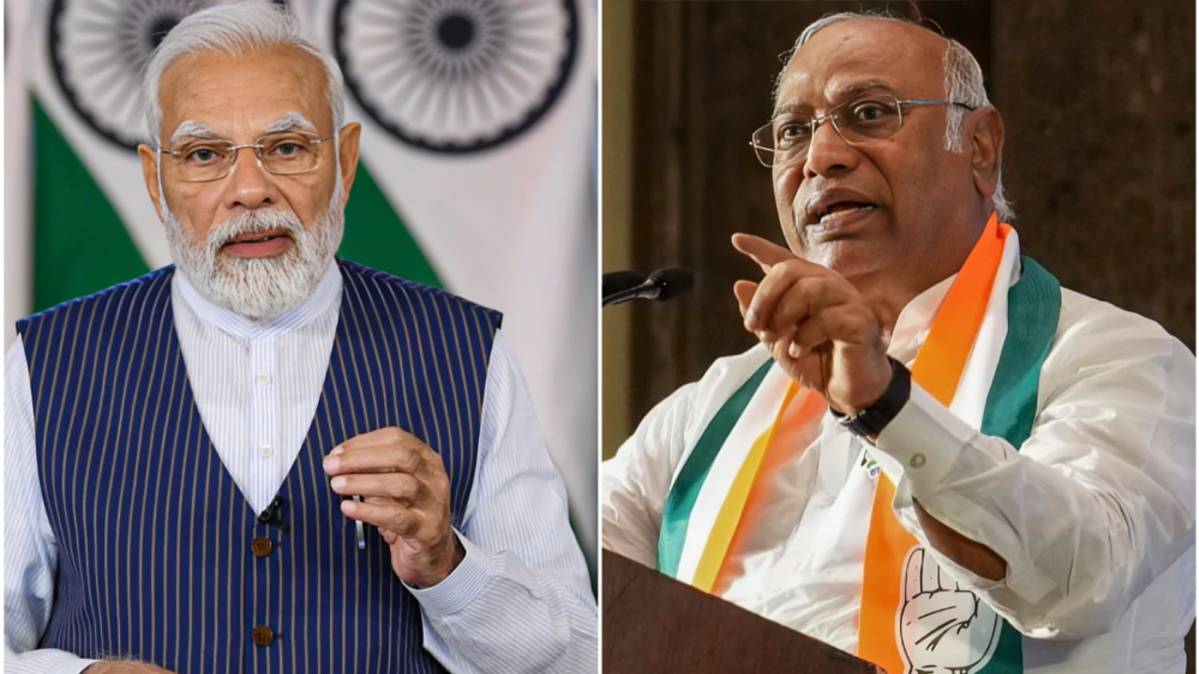
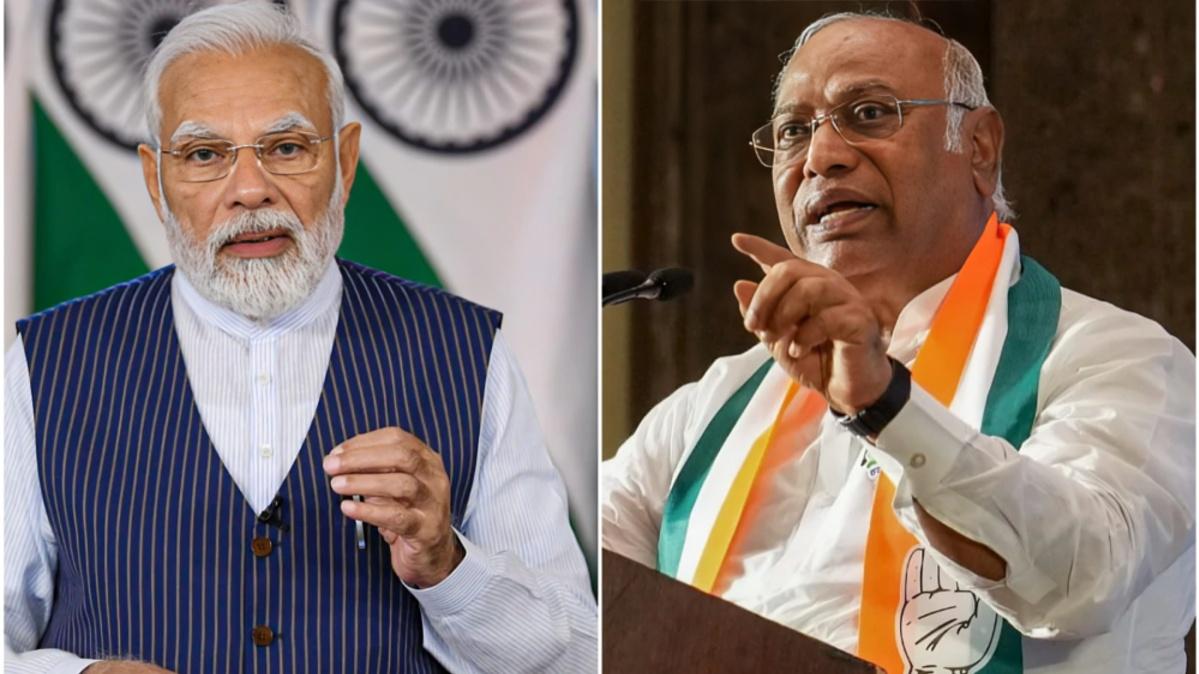
Congress president Mallikarjun Kharge has questioned the accountability of the government led by Prime Minister Narendra Modi over the prevalence of anaemia among women and malnutrition among children in India.
Citing figures indicating that 55.9 percent of women are anaemic and one in five children is malnourished, Kharge expressed concern over the effectiveness of government welfare programmes intended to improve nutritional standards.
The Congress leader also raised questions about unutilised funds and declining budgetary allocations for women and child development.
His remarks have brought renewed attention to public health challenges, nutritional security and the implementation of government welfare initiatives across the country.
Concerns Over Anaemia Among Women
Anaemia remains a significant public health concern in India, particularly among women of reproductive age, adolescent girls and pregnant women.
The condition occurs when the concentration of haemoglobin or the number of healthy red blood cells in the body is insufficient to meet physiological requirements.
Iron deficiency is a common cause of anaemia. However, nutritional deficiencies, infections, chronic illnesses and other medical conditions can also contribute to its development.
Women affected by anaemia may experience fatigue, weakness, dizziness and reduced physical capacity. Severe anaemia during pregnancy can increase the risk of complications affecting both mothers and infants.
Kharge cited the prevalence of anaemia among women while questioning whether existing government programmes are adequately addressing nutritional deficiencies.
The precise survey period and population group associated with the figure cited by Kharge require confirmation.
Child Malnutrition Remains a Public Health Challenge
Malnutrition among children continues to be an important concern for healthcare professionals, policymakers and welfare organisations.
Inadequate nutrition during childhood can affect physical growth, cognitive development, immunity and educational performance.
Children experiencing nutritional deficiencies may also face an increased risk of infections and other health complications.
Kharge referred to figures suggesting that one in five children is malnourished while questioning the effectiveness of government interventions.
Child malnutrition can be measured through different indicators, including stunting, wasting and underweight prevalence. Each indicator reflects a different aspect of nutritional health.
Understanding the specific indicator associated with the figure cited by Kharge is important for accurately assessing the extent of the problem.
Questions Over Budgetary Allocations
The Congress president raised concerns about what he described as declining budgetary allocations for women and child development.
Government funding plays an important role in supporting nutritional programmes, maternal healthcare services, childcare facilities and community welfare initiatives.
Adequate financial resources are necessary for maintaining infrastructure, providing nutritional supplements, supporting healthcare workers and reaching vulnerable communities.
However, assessing changes in government expenditure requires a comparison of budget estimates, revised estimates and actual expenditure across relevant financial years.
Kharge questioned whether the available resources were sufficient to address the nutritional challenges affecting women and children.
The specific financial figures and budget periods associated with his criticism would require further examination.
Concerns Regarding Unutilised Government Funds
Kharge also highlighted concerns regarding funds that reportedly remained unutilised under welfare programmes.
Effective utilisation of allocated resources is essential for ensuring that government initiatives reach their intended beneficiaries.
Delays in fund disbursement, administrative challenges, infrastructure limitations and implementation difficulties can affect the delivery of welfare services.
Regular monitoring and financial accountability can help identify gaps between budgetary allocations and actual expenditure.
The Congress leader questioned the accountability of the central government in addressing these issues and improving nutritional outcomes.
A detailed examination of official expenditure records would help establish the extent of unutilised funds and the reasons behind any spending shortfalls.
Government Initiatives to Address Anaemia and Malnutrition
The central government has introduced several programmes aimed at improving nutritional standards and reducing anaemia among vulnerable population groups.
The Anaemia Mukt Bharat initiative focuses on reducing anaemia through nutritional supplementation, testing, treatment and awareness programmes.
The government also implements Saksham Anganwadi and POSHAN 2.0 to support nutritional services for eligible children, pregnant women, lactating mothers and adolescent girls.
Anganwadi centres play an important role in delivering supplementary nutrition, preschool education and other community welfare services.
The PM POSHAN programme provides meals to eligible schoolchildren to support nutritional intake and educational participation.
The effectiveness of these initiatives depends on adequate funding, service coverage, implementation quality and coordination between central and state governments.
Importance of Maternal and Child Nutrition
Adequate nutrition during pregnancy and early childhood is essential for healthy physical and cognitive development.
Pregnant women require appropriate nutritional intake and regular medical care to support their health and the development of their unborn children.
Nutritional deficiencies during pregnancy can contribute to adverse health outcomes, including low birth weight and other complications.
Similarly, proper nutrition during the early years of childhood supports healthy growth, immunity and learning abilities.
Access to balanced diets, healthcare services, clean drinking water and sanitation can contribute to improved nutritional outcomes.
Addressing malnutrition therefore requires coordinated efforts across healthcare, education, agriculture, sanitation and social welfare sectors.
Political Debate Over Government Accountability
Kharge's remarks have highlighted the political debate surrounding the implementation of welfare programmes and the allocation of public resources.
Opposition parties frequently scrutinise government expenditure and policy outcomes as part of their role in parliamentary democracy.
The Congress president has questioned whether existing nutritional initiatives are delivering adequate results for women and children.
Government programmes should be evaluated through reliable health surveys, expenditure records, independent assessments and measurable improvements in nutritional indicators.
The central government's response to the specific allegations raised by Kharge was not included in the available information.
An official response would provide additional context regarding funding allocations, expenditure and the progress of ongoing nutritional programmes.
Need for Effective Nutrition Policies
Reducing anaemia and child malnutrition requires sustained policy attention, adequate resources and effective implementation at the community level.
Improved access to nutritious food, healthcare services, nutritional supplements and public awareness programmes can contribute to better health outcomes.
Strengthening Anganwadi services, improving healthcare accessibility and monitoring nutritional indicators can also help identify vulnerable individuals who require additional support.
Kharge's criticism has renewed attention to the importance of accountability and transparency in public welfare expenditure.
Further examination of official health statistics, budget documents and programme outcomes will be necessary to assess the concerns raised by the Congress president and determine the progress made in addressing nutritional challenges across India.