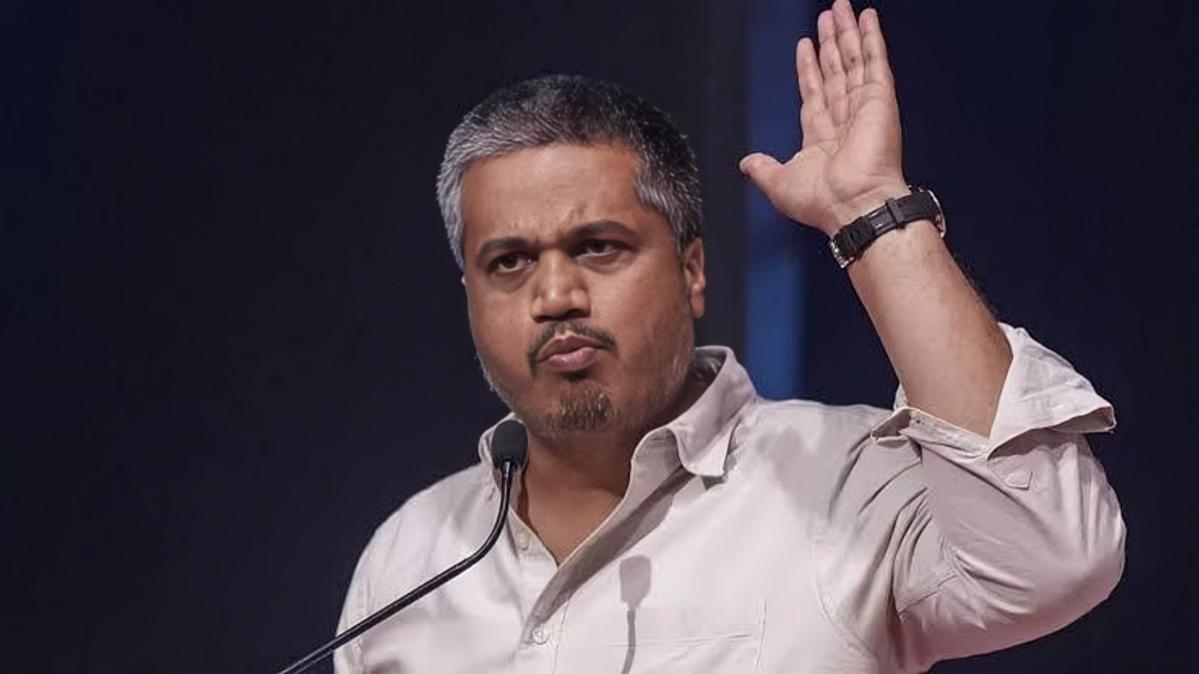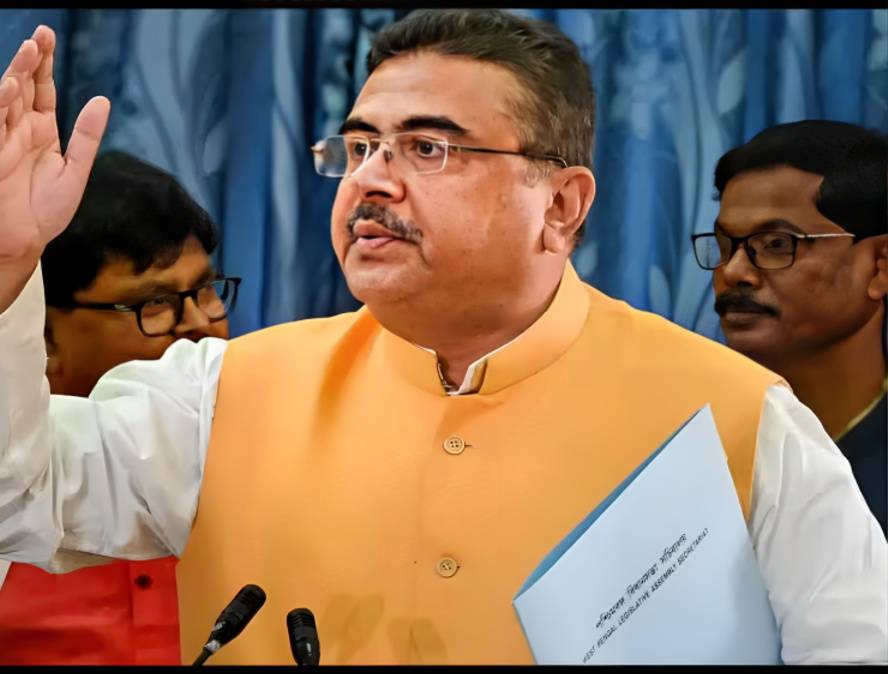
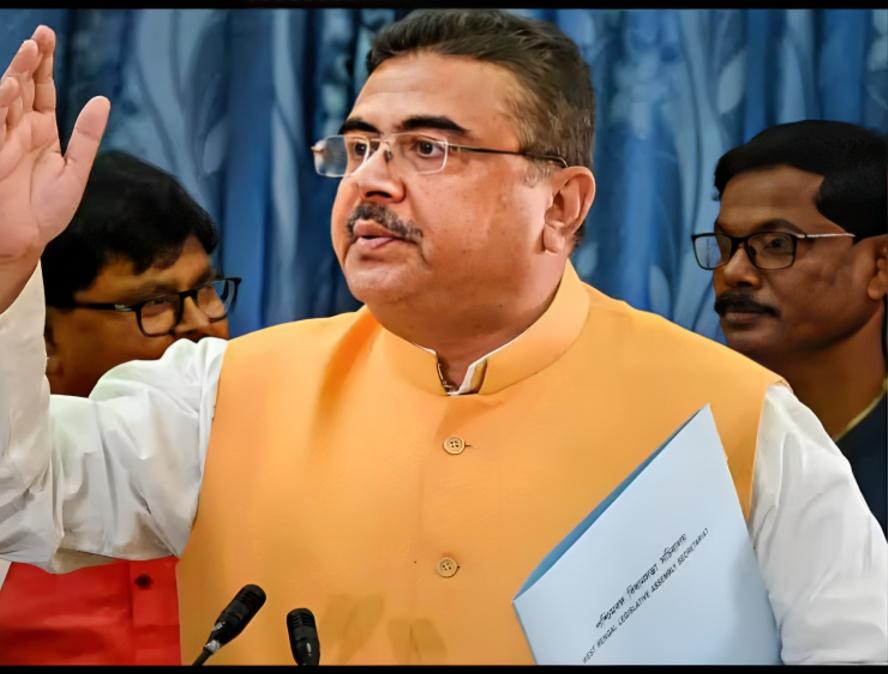
West Bengal Chief Minister Suvendu Adhikari has outlined the priorities of his government for industrial development, economic growth and employment generation. He highlighted the changes that his administration has sought to introduce since assuming office, emphasising the importance of attracting investment and strengthening cooperation with industrial leaders.
Adhikari said industrial development would play an important role in improving economic opportunities across the state. He also highlighted the significance of land reforms, investor confidence and transparent governance in supporting industrial expansion.
The Chief Minister referred to ongoing projects and development initiatives intended to strengthen economic activity and generate employment opportunities for residents.
Focus on Strengthening Investor Confidence
Investor confidence remains an important factor in attracting domestic and international businesses to a state. Companies generally consider infrastructure availability, administrative efficiency, policy stability and access to skilled workers before making investment decisions.
Adhikari emphasised the importance of creating a favourable environment for industrial investment in West Bengal.
Cooperation between government departments and industrial organisations could help address administrative challenges and identify opportunities for business expansion.
A predictable regulatory environment and efficient approval procedures may also encourage businesses to consider new projects and expand their existing operations.
The effectiveness of these efforts will depend on policy implementation and the ability of the administration to address practical concerns raised by investors.
Land Reforms and Industrial Development
Land availability is an important consideration for industrial projects. Manufacturing facilities, logistics centres, commercial establishments and infrastructure projects often require suitable land with access to essential services.
Adhikari highlighted land reforms as part of the broader discussion surrounding industrial development in West Bengal.
Effective land management policies can help businesses identify suitable locations for investment while addressing legal, environmental and administrative requirements.
Industrial development must also consider the interests of landowners, agricultural communities and residents who may be affected by proposed projects.
Transparent land allocation procedures and appropriate safeguards can help reduce disputes and support responsible development.
Specific details regarding the proposed land reforms and their implementation would provide further clarity on the direction of government policy.
Cooperation With Leading Industrialists
The Chief Minister emphasised the importance of working with industrialists across different sectors to strengthen the economic prospects of West Bengal.
Regular engagement between government representatives and business leaders can help identify investment opportunities, infrastructure requirements and challenges affecting industrial operations.
West Bengal has economic activity across sectors including manufacturing, information technology, agriculture, textiles, logistics and services.
Investment in these sectors could contribute to economic diversification and create opportunities for businesses of different sizes.
Cooperation with established industrial organisations may also support the development of smaller enterprises through supply networks, technology adoption and business partnerships.
However, the actual economic benefits would depend on whether investment proposals are implemented successfully.
Employment Generation Remains a Key Priority
Creating employment opportunities is an important component of the development agenda outlined by Adhikari.
Industrial expansion can generate direct employment through new factories, offices and commercial establishments. It can also support indirect employment in transportation, construction, maintenance, retail and other related services.
Skill development and vocational training are important for ensuring that workers can meet the requirements of emerging industries.
Cooperation between educational institutions, training centres and industrial organisations could help improve employment prospects for young people.
The Chief Minister highlighted ongoing initiatives aimed at supporting economic growth and job creation. However, the number of employment opportunities generated would depend on the scale, progress and operational status of individual projects.
Commitment to Transparent Recruitment
Adhikari also reaffirmed the commitment of his government to ensuring transparency in recruitment procedures.
Transparent recruitment practices are important for maintaining public confidence in government institutions and ensuring fair access to employment opportunities.
Clearly defined eligibility requirements, accessible application procedures and consistent selection standards can help improve the credibility of public recruitment systems.
Administrative accountability and effective grievance resolution mechanisms can also contribute to strengthening public trust.
The implementation of recruitment reforms will be important in assessing whether the stated commitments translate into measurable improvements for job seekers.
Improving Governance and Administrative Efficiency
The Chief Minister highlighted improved governance as another priority of his administration.
Efficient governance can support industrial development by reducing unnecessary administrative delays and improving coordination between government departments.
Digital services, accessible public information and transparent decision making can contribute to better administrative outcomes for businesses and citizens.
Improved governance can also support the effective delivery of public welfare programmes, infrastructure services and employment initiatives.
The success of administrative reforms will depend on consistent implementation, institutional accountability and regular evaluation of government programmes.
Infrastructure Development and Economic Opportunities
Infrastructure plays an important role in determining the competitiveness of industrial regions.
Reliable electricity, transport networks, water supply, communication facilities and logistics services are essential for the efficient functioning of businesses.
West Bengal benefits from its geographical position in eastern India and its access to major transport networks and maritime trade routes.
Further infrastructure development could strengthen connectivity between industrial centres, agricultural regions and commercial markets.
Improved connectivity may also help businesses reduce transportation costs and expand their access to domestic and international markets.
These developments could support broader economic activity if accompanied by effective planning and investment implementation.
Supporting Small and Medium Enterprises
Small and medium enterprises are an important part of the economy of West Bengal. These businesses contribute to employment generation, local production and regional economic development.
Access to affordable finance, modern technology, skilled workers and suitable infrastructure can help smaller businesses improve their competitiveness.
Industrial investment by larger companies may also create opportunities for smaller enterprises through supply contracts and related commercial activities.
A balanced industrial development strategy could help ensure that economic opportunities extend beyond major urban and industrial centres.
Focus on Future Economic Development
Adhikari presented his government as committed to transforming West Bengal through industrial investment, land reforms, employment generation and improved governance.
His remarks outlined an approach centred on strengthening investor confidence and expanding cooperation between the government and industrial organisations.
While the announced priorities indicate the direction of the administration, their effectiveness will depend on actual investment commitments, project implementation, employment outcomes and administrative improvements.
Further official announcements regarding industrial projects, land policies and recruitment initiatives will provide greater clarity on the progress of the government and its economic development agenda.