Centre Renames Social Welfare Schemes, Drops Indira Gandhi Name; Allocates ₹53,428 Crore Till 2031
New Delhi: The Union Cabinet, chaired by Prime Minister Narendra Modi, has approved the continuation of the National Social Assistance Programme (NSAP) for five years, from 2026-27 to 2030-31, with a total financial outlay of ₹53,428 crore. The decision also includes renaming the programme and its associated schemes, revising disability pension eligibility criteria and adjusting assistance rates for eligible beneficiaries.
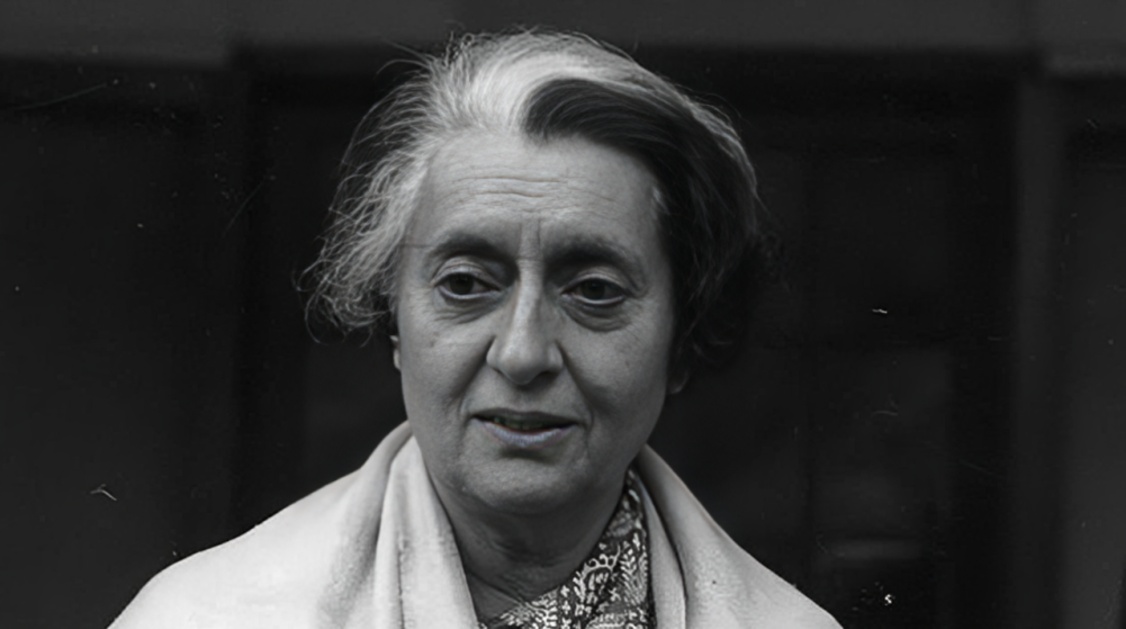
According to the government’s announcement on October 14, the National Social Assistance Programme will now be known as the Pradhan Mantri Samajik Sahayata Yojana. Three pension schemes that previously carried the name of former Prime Minister Indira Gandhi will be renamed as part of the changes. The National Family Benefit Scheme will also receive a new name.
New Names for Social Assistance Schemes
Under the approved changes, the Indira Gandhi National Old Age Pension Scheme will be renamed the Pradhan Mantri Vridhavastha Pension Yojana. The Indira Gandhi National Widow Pension Scheme will become the Pradhan Mantri Vidhawa Pension Yojana.
The Indira Gandhi National Disability Pension Scheme will be known as the Pradhan Mantri Divyangjan Pension Yojana. In addition, the National Family Benefit Scheme will be renamed the Pradhan Mantri Parivar Labh Yojana.
The renaming is part of the broader decision to continue the national social assistance programme for another five years. The government has stated that the existing old-age and widow pension schemes, along with the family benefit scheme, will continue in their existing form. The approved changes to eligibility and assistance rates specifically affect the disability pension component.
Revised Disability Pension Eligibility
One of the key changes announced by the Cabinet concerns the eligibility criteria for disability pension assistance. The benchmark disability requirement under the scheme will be reduced from 80 per cent to 40 per cent. This change is intended to bring more eligible persons with disabilities within the scope of the programme.
The minimum age requirement for disability pension eligibility will also be removed, allowing eligibility from birth, subject to the applicable scheme conditions. The changes align the programme’s disability criteria with the benchmark disability provisions under the Rights of Persons with Disabilities Act, 2016.
The revised monthly assistance under the disability pension scheme will be ₹375 for beneficiaries aged between zero and 79 years. Beneficiaries aged 80 years and above will receive ₹625 under the revised provisions.
The government is expected to issue detailed guidelines covering the revised eligibility conditions, beneficiary coverage and assistance rates. According to the Cabinet announcement, these guidelines are to be issued and implemented within three months.
Programme to Continue Until 2030-31
The approved financial outlay of ₹53,428 crore will support the continuation of the National Social Assistance Programme from the financial year 2026-27 through 2030-31. The government expects approximately 3.2 crore beneficiaries across all 36 states and Union Territories to benefit from the decision.
The NSAP was launched on August 15, 1995, to provide social assistance to vulnerable households, including elderly people, widows and persons with disabilities. It is administered by the Department of Rural Development under the Ministry of Rural Development.
The programme aims to provide financial support to eligible people who need assistance because of old age, the loss of a spouse or disability. Its benefits are intended to strengthen the social security framework for economically vulnerable sections of society.
The programme provides central assistance to eligible beneficiaries under its different components. The continuation of the scheme is intended to ensure that this support remains available during the five-year period covered by the Cabinet approval.
What the Decision Means for Beneficiaries
The renaming of the schemes changes their official titles, while the main policy changes announced alongside it concern disability pension eligibility and assistance rates. Existing beneficiaries and new applicants will need to follow the applicable government guidelines to determine eligibility and the amount payable under the revised provisions.
The reduction in the benchmark disability requirement from 80 per cent to 40 per cent is a significant change for people who previously may not have met the scheme’s disability threshold. Removing the minimum age criterion also allows the scheme to consider eligible persons with disabilities from birth.
However, the revised provisions should not be interpreted as automatic approval for every applicant. Beneficiaries must satisfy the scheme’s applicable conditions and documentation requirements, as specified in the detailed implementation guidelines.
The Cabinet’s decision combines the continuation of a long-running social assistance programme with changes to its official names and disability pension rules. With a proposed outlay of ₹53,428 crore for 2026-27 to 2030-31, the programme is expected to continue supporting millions of vulnerable people across India.
The full impact of the revised provisions will depend on their implementation and the updated guidelines issued by the government.