Supreme Court Considers Rahul Gandhi's Plea Over Alleged Voter Deletions and SIR Irregularities
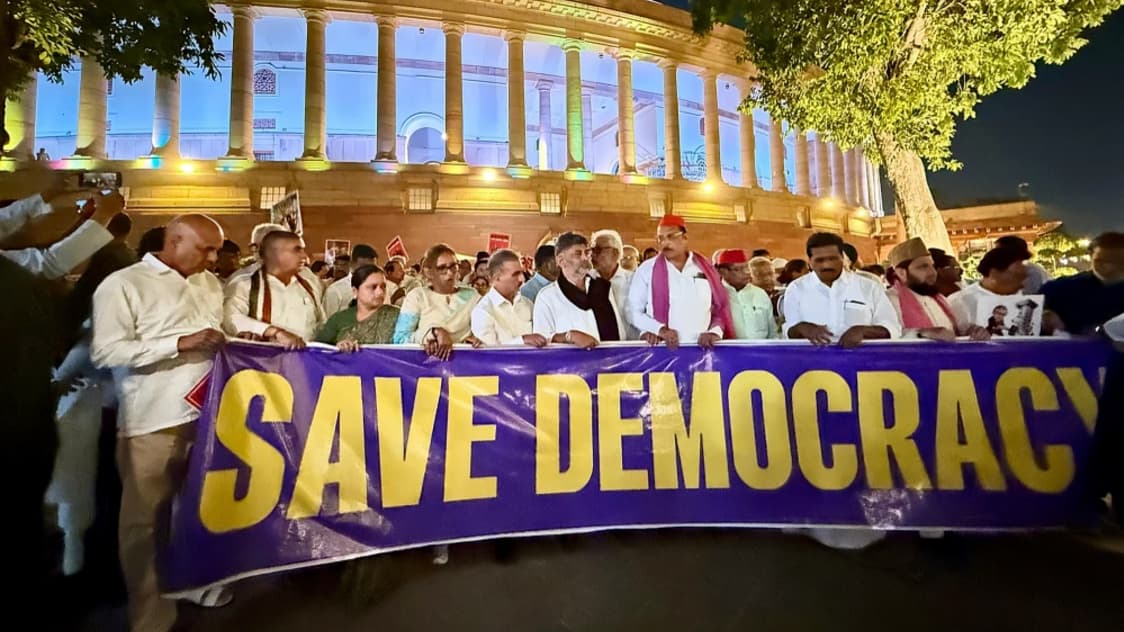
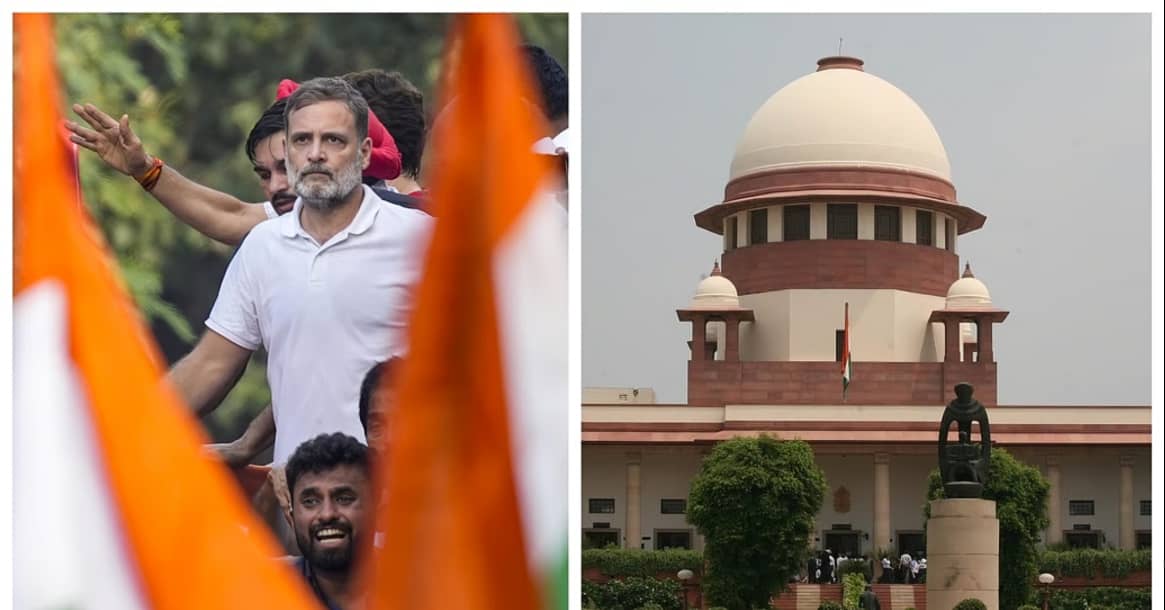
The Supreme Court of India is considering a petition filed by Congress leader Rahul Gandhi and other opposition leaders challenging alleged irregularities in the Special Intensive Revision (SIR) of electoral rolls. The petition raises concerns about large-scale voter deletions, the transparency of the Election Commission of India's decision-making process and safeguards for citizens whose names may have been removed from voter lists.
The petition was filed by Rahul Gandhi, Leader of the Opposition in the Lok Sabha, along with Mallikarjun Kharge and other leaders of the INDIA opposition bloc. The petition names the Election Commission of India, Chief Election Commissioner Gyanesh Kumar and the two other Election Commissioners as respondents.
The opposition leaders have asked the court to examine whether decisions connected with the revision exercise complied with constitutional and statutory requirements. Their claims are allegations presented in the petition and have not been established as findings of the court.
Opposition Raises Concerns Over Voter Deletions
The petitioners allege that the SIR process has resulted in the removal of large numbers of names from electoral rolls and that eligible voters may have been affected. They argue that the process should include clear procedures for notifying voters, explaining deletions and allowing affected individuals to challenge decisions.
The opposition leaders have requested an independent audit of deletions and modifications made during the revision exercise. They have proposed that the audit be conducted by a committee headed by a retired Supreme Court judge, with assistance from technical experts and other qualified individuals.
The petition also seeks the publication of booth-level information about deleted names, including the reasons for removal and relevant demographic details. According to the petitioners, such disclosures would help establish whether the revision process has been carried out transparently.
They have also requested an effective mechanism through which eligible voters can seek restoration of their names if they have been removed incorrectly.
What Is the Special Intensive Revision?
The Special Intensive Revision is an exercise conducted by the Election Commission to review and update electoral rolls. Such revisions are intended to improve the accuracy of voter lists by identifying eligible electors and addressing entries that may be outdated, duplicated or otherwise require correction.
The preparation and revision of electoral rolls are important responsibilities of the Election Commission under India's constitutional and legal framework. Accurate voter lists help ensure that eligible citizens can exercise their right to vote and that elections are conducted using reliable electoral records.
However, large-scale revision exercises can generate disputes over documentation requirements, verification procedures, the treatment of people who have moved residence and the process for correcting or restoring entries.
The current petition focuses on whether the SIR has been implemented in accordance with applicable rules and whether adequate safeguards exist to prevent eligible voters from being excluded.
Petition Seeks Election Commission Records
The opposition leaders have asked the Supreme Court to direct the Election Commission to produce relevant files, meeting records, internal notes and other documents concerning decisions linked to the SIR.
The petition also raises questions about the operation of ECINET and ERONET, digital systems associated with electoral administration. The petitioners want the court to examine relevant records and access logs to assess how decisions about electoral rolls were made and implemented.
They have questioned whether certain decisions were taken in accordance with the constitutional responsibilities of the Election Commission and the applicable legal provisions governing its functioning.
The petition further raises concerns about changes to the online Form 6 process, which is used for applying for inclusion in electoral rolls. The petitioners argue that the online form and related procedures must remain consistent with the rules in force unless those rules are lawfully amended.
These requests are intended to enable judicial scrutiny of the process. Whether any legal violation occurred remains a matter for consideration by the court.
Punjab Electoral Roll Figures Cited
The petition cites developments in Punjab to support the opposition's concerns about the possible impact of electoral-roll revision. According to the petition, a draft electoral roll published in August 2026 showed a reduction of approximately 20.66 lakh names compared with the electorate recorded in June.
The opposition has argued that such a change requires transparent explanations and an accessible process through which eligible voters can verify their status.
A reduction in the number of names on an electoral roll does not, by itself, establish that voters were wrongly removed. Electoral rolls can change for several reasons, including deaths, changes in residence, duplicate entries and eligibility-related corrections. The circumstances and legal basis for individual deletions must therefore be examined before conclusions are drawn.
The petitioners have asked for detailed information to help determine why names were removed and whether eligible electors were given appropriate opportunities to respond.
Safeguards and Suspension of the Revision Exercise
Among the key requests in the petition is an interim suspension of the ongoing SIR process across states while the court examines the issues raised. The petitioners have also asked for safeguards to ensure that no eligible voter is removed without notice and a reasonable opportunity to be heard.
They argue that electoral-roll changes should be accompanied by clear communication, transparent reasons and a reliable mechanism for correcting errors.
The request for suspension is a demand made by the petitioners, not an order that can be assumed to have been granted. Any interim direction would need to be confirmed through the Supreme Court's official proceedings or written order.
The Election Commission's response and the court's eventual directions will be important in determining how the disputed issues are addressed.
Election Commission's Position
The Election Commission has previously maintained that its decisions concerning the SIR were taken through the prescribed institutional process. The Commission has also argued that differences of opinion during internal deliberations do not necessarily mean that decisions were unlawful.
The opposition petition disputes aspects of the process and asks the court to examine relevant records. The case therefore involves competing positions: the petitioners are seeking greater transparency and independent scrutiny, while the Election Commission's position is that its decisions followed the applicable procedures.
The Supreme Court's examination of the matter will be important in determining which questions require further responses, documents or directions.
Why the Case Matters
Electoral rolls are central to the functioning of representative democracy. If an eligible citizen's name is missing from the voter list, that person may face difficulty exercising the right to vote. At the same time, maintaining accurate rolls requires procedures to correct outdated, duplicate and ineligible entries.
The legal challenge highlights the importance of balancing these objectives. Transparent verification, accessible correction procedures and timely communication can help ensure that legitimate updates do not prevent eligible citizens from participating in elections.
The case also raises broader questions about the use of digital systems in electoral administration, the accountability of constitutional institutions and the extent of judicial review over decisions affecting voter registration.
The Supreme Court's consideration of the petition could clarify the safeguards and transparency requirements applicable to the disputed revision process.
Proceedings and Next Steps
As of the reports available on October 15, 2026, the Supreme Court was scheduled to hear the opposition leaders' petition. The petition seeks an independent audit, access to Election Commission records and safeguards against the wrongful deletion of eligible voters.
The precise status of any notice, interim relief or further direction should be confirmed from the court's official order before publication. Filing a petition or listing it for hearing does not itself mean that the court has accepted the allegations.
The case places the accuracy of electoral rolls and the protection of eligible voters at the centre of a significant legal and political debate. Further developments will depend on the court's proceedings and any response submitted by the Election Commission.