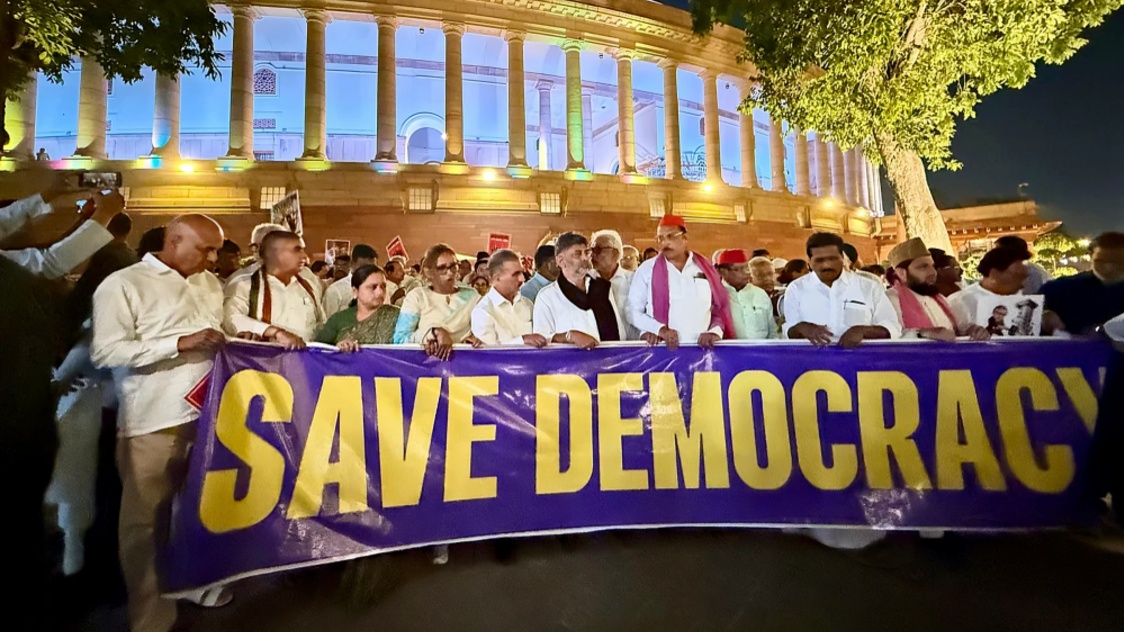
INDIA Bloc Scales Back Daily Delhi Protests During Festive Season
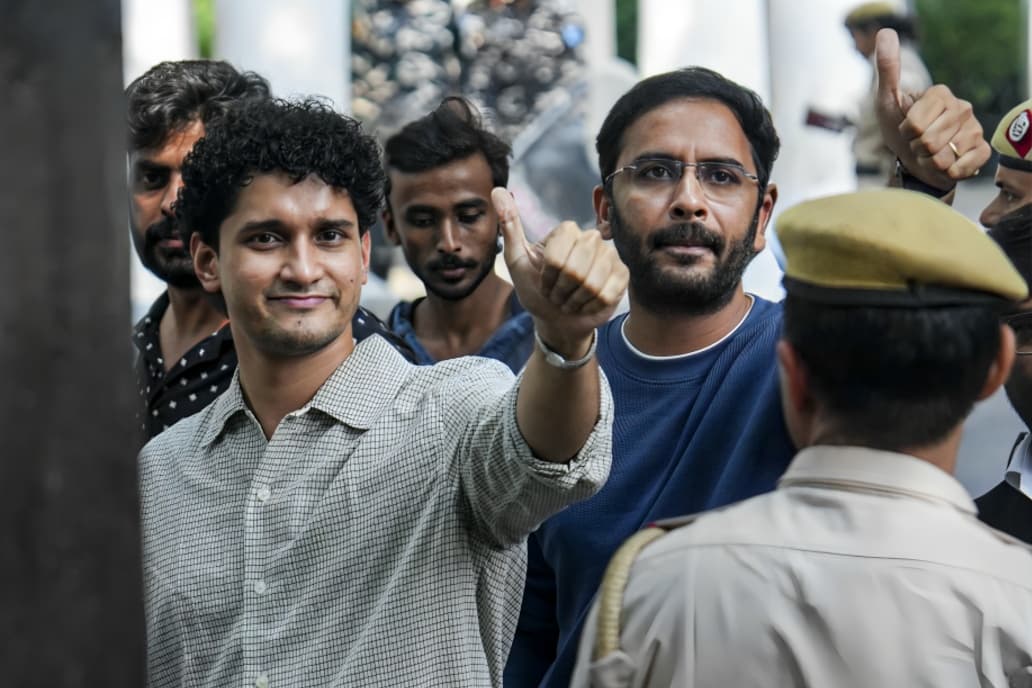
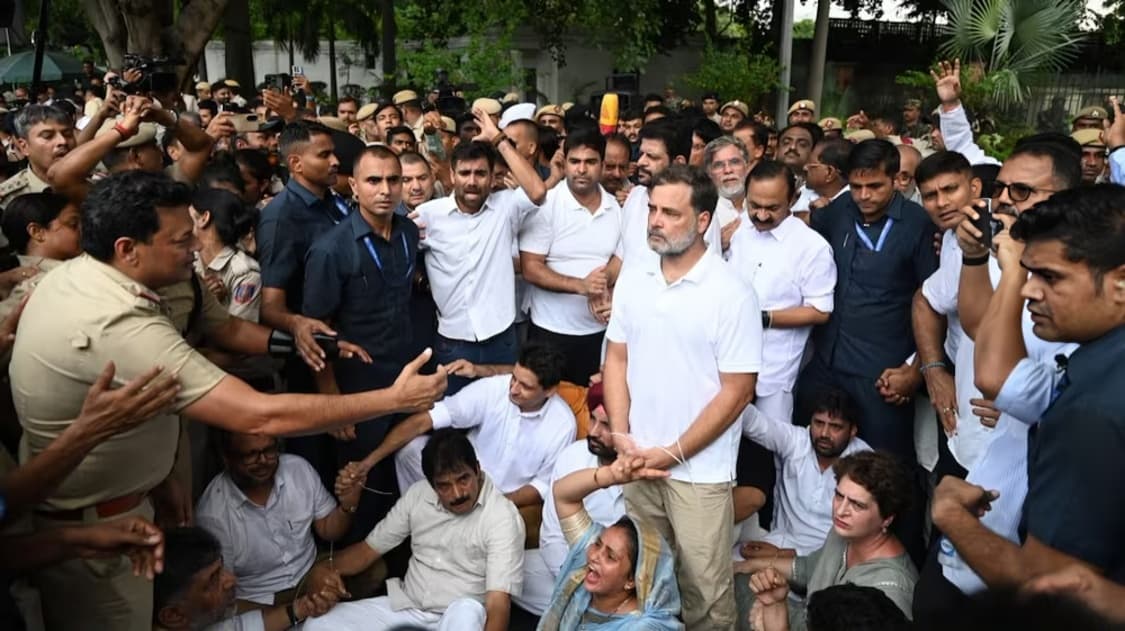
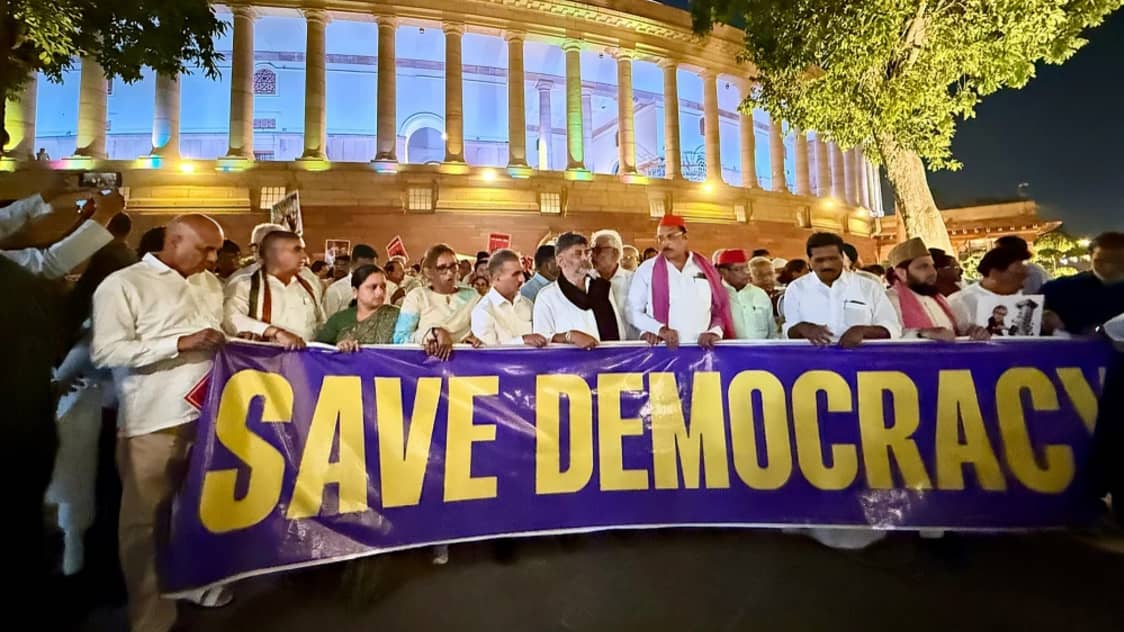
The opposition INDIA bloc has temporarily paused its daily protest marches in New Delhi, adjusting its campaign against the Special Intensive Revision of electoral rolls and Chief Election Commissioner Gyanesh Kumar. The decision follows a series of demonstrations in the national capital and comes as political parties prepare for the busy festive season.
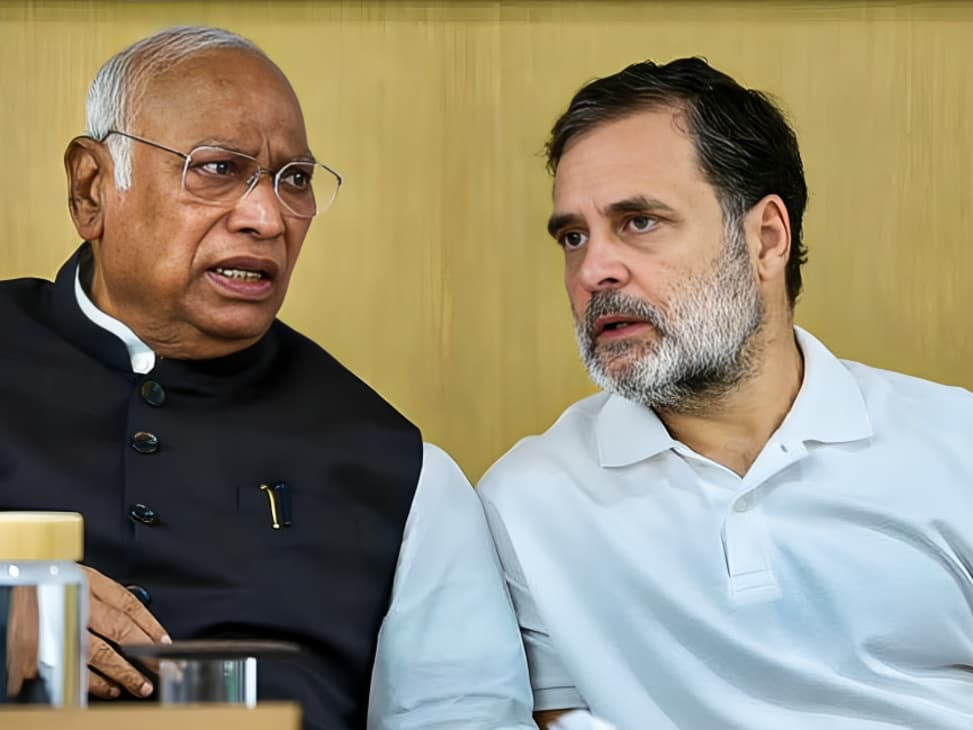
According to reports, leaders from opposition parties discussed the next phase of the campaign at a meeting convened by Congress leader Rahul Gandhi. Participants reportedly agreed that maintaining daily joint demonstrations throughout the festive period could be difficult. The alliance is therefore expected to reduce the frequency of its protests and organise demonstrations on selected occasions rather than continue with a daily schedule.
The pause does not amount to an end to the INDIA bloc’s campaign. Opposition leaders have reiterated their intention to continue raising concerns about the electoral-roll revision exercise, the functioning of the Election Commission and the role of the Chief Election Commissioner.
Festive Season Influences Protest Schedule
The period from October to mid-November includes several major festivals, including Durga Puja, Dussehra, Diwali and Chhath. Opposition leaders reportedly discussed how these celebrations, along with political commitments in their respective states, could affect participation in demonstrations in Delhi.
The leaders also considered the practical challenges of sustaining repeated marches involving several parties and their workers. Reducing the frequency of protests could allow the alliance to coordinate its activities more effectively while keeping the issue in public discussion.
Reports indicate that there was no detailed public announcement of a final protest calendar immediately after the meeting. The precise timing and format of future demonstrations will depend on further discussions among the participating parties.
Why Is the INDIA Bloc Protesting?
The protests are centred on the Special Intensive Revision, commonly known as SIR, an exercise undertaken to review and update electoral rolls. Opposition parties have raised concerns about the process and its possible impact on voters’ names and electoral participation.
The alliance has also targeted Chief Election Commissioner Gyanesh Kumar, with opposition leaders demanding accountability over their concerns about the Election Commission’s handling of electoral matters. These are political allegations and demands made by the opposition; they should not be treated as judicially established findings.
The INDIA bloc has sought legal intervention as part of its campaign. Reports state that opposition leaders recently approached the Supreme Court in connection with the SIR issue. The legal proceedings and any directions issued by the court will be important in determining the next stage of the dispute.
The Election Commission’s position and any official court orders should be considered alongside the opposition’s claims when assessing the controversy. A balanced report must distinguish between allegations made by political parties, the authorities’ responses and findings formally established through legal or official processes.
Delhi Remains a Key Protest Venue
During the meeting, some leaders reportedly suggested moving parts of the campaign to their home states or other locations. Such a strategy could enable parties to mobilise local supporters and highlight their concerns in areas where electoral-roll revision is a significant political issue.
However, several participants reportedly favoured retaining Delhi as the main venue for major joint demonstrations. As the national capital, Delhi offers the opposition a prominent platform to address national institutions, attract media attention and demonstrate coordination among alliance partners.
The Congress-led bloc is also expected to balance joint protests with activities organised by individual parties, youth organisations and student groups. This approach could allow the campaign to continue even when a large, united march is not scheduled.
The alliance has not publicly indicated that it is abandoning its demand for action on the SIR issue or its criticism of the Chief Election Commissioner. Instead, the reported decision reflects a change in the timing and frequency of street demonstrations.
Rahul Gandhi Signals Continued Opposition Campaign
Rahul Gandhi and other opposition leaders have maintained that the campaign will continue despite the temporary reduction in daily protests. Reports from the meeting indicate that the alliance intends to sustain pressure through coordinated political action, public outreach and legal proceedings.
The opposition’s immediate challenge will be to maintain unity among its constituent parties while accommodating their different political priorities and state-level commitments. The festive calendar and preparations for upcoming political contests may also influence how frequently leaders can participate in joint events.
For the INDIA bloc, the pause offers an opportunity to review its strategy and decide how to maintain public attention without relying on daily marches in the capital. Future developments are likely to depend on the Supreme Court proceedings, any further decisions by the Election Commission and the opposition’s next round of coordinated action.
For now, the daily demonstrations have been scaled back, but the broader political dispute over electoral-roll revision and the Election Commission remains unresolved. The alliance’s next steps and any formal announcement of future protests will clarify how its campaign develops in the coming weeks.