
Delhi Court Orders Five Days of Judicial Custody for CJP Leaders
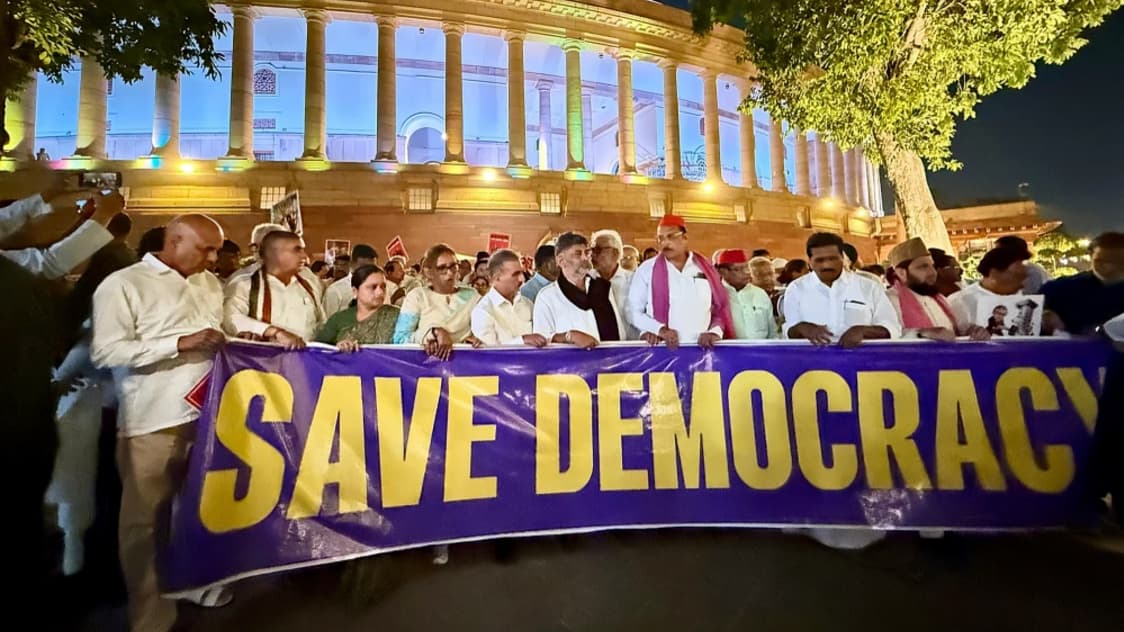
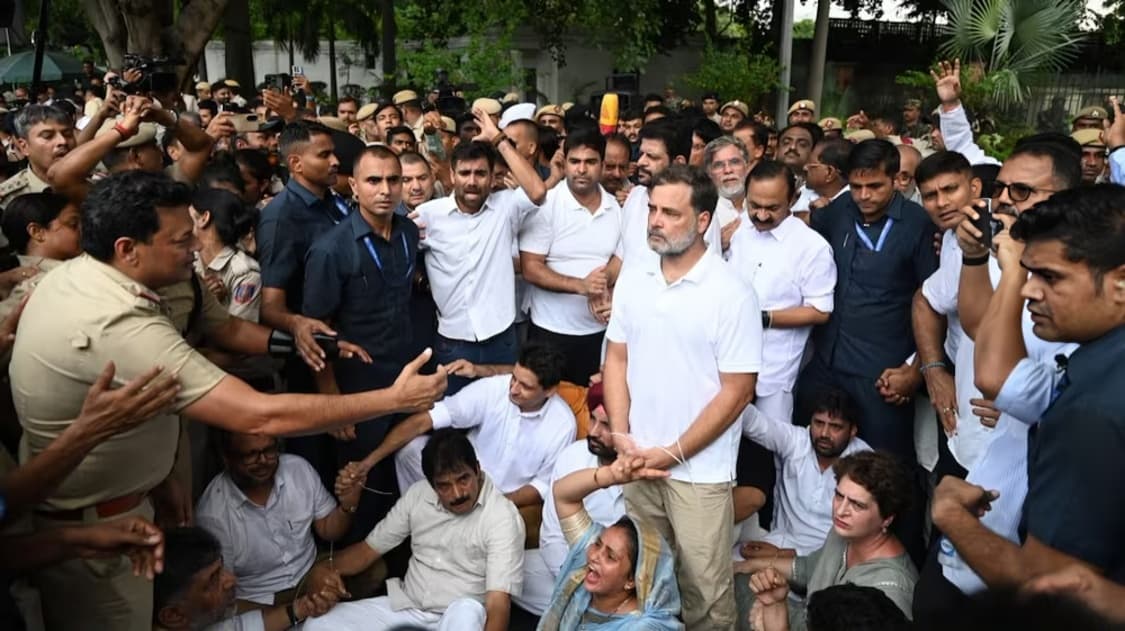
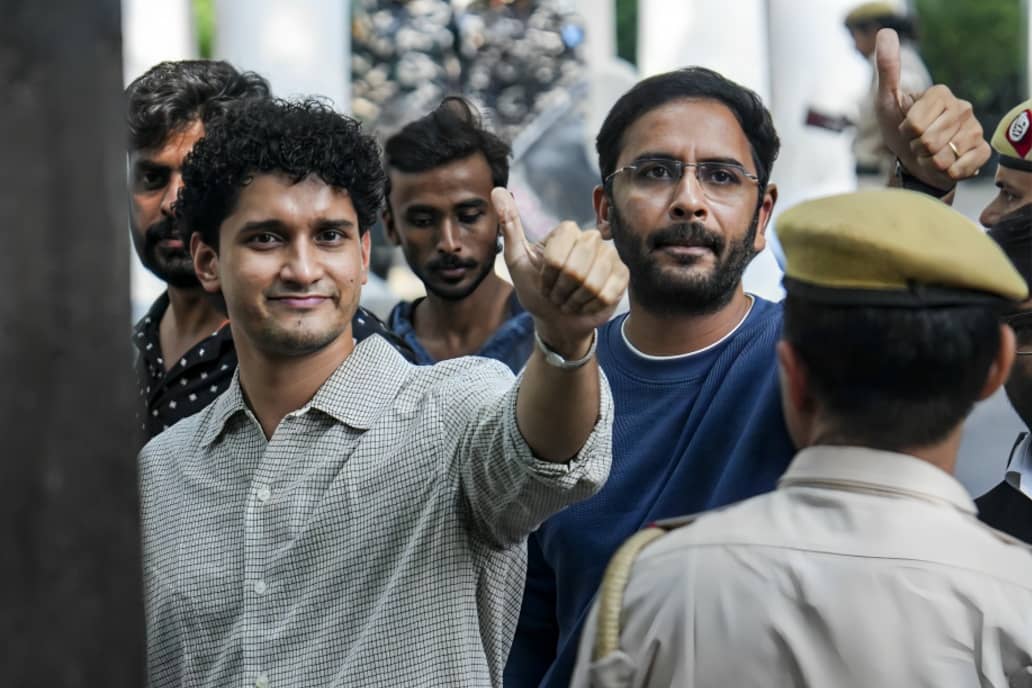
A Special Executive Magistrate in Delhi has ordered five days of judicial custody for Cockroach Janta Party leaders Saurav Das and Ashutosh Ranka following their detention in connection with an incident at Jantar Mantar. The two leaders were detained by Delhi Police after they allegedly attempted to enter the area on October 13, 2026, despite restrictions on public demonstrations at the location.
Another CJP leader, Ajinkya Shinde, was released on a personal bond, according to media reports. The proceedings followed a police case involving allegations related to entering a restricted area and obstructing public officials.
The incident has drawn attention to the restrictions imposed on demonstrations at Jantar Mantar, a well-known protest location in the national capital. It has also raised questions about the treatment of detained demonstrators and their access to legal assistance.
What Happened at Jantar Mantar?
According to reports, CJP members attempted to enter the Jantar Mantar protest area on Tuesday, October 13. The location had reportedly been removed from the list of designated protest venues by Delhi Police.
Police alleged that members of the group crossed barricades and attempted to enter the restricted area while carrying the Indian national flag and raising slogans. Officers intervened and detained several people in connection with the incident.
The police action followed earlier demonstrations and restrictions affecting protests in the area. Jantar Mantar has historically served as a gathering point for political parties, activists, student groups and other organisations seeking to draw public attention to their demands.
The CJP leaders reportedly intended to protest against Chief Election Commissioner Gyanesh Kumar and raise concerns about electoral processes and voter-list revisions. The allegations raised by protesters concerning electoral irregularities have been disputed by the authorities and should not be treated as established findings without supporting evidence.
Police Case and Judicial Custody
Delhi Police registered a case in connection with the alleged attempt to enter Jantar Mantar. Reports cited allegations including trespassing, unlawful assembly, disobedience of an order issued by a public servant and obstruction of police personnel.
The two leaders were subsequently produced before a Special Executive Magistrate. On Wednesday, October 14, the magistrate ordered Saurav Das and Ashutosh Ranka to remain in judicial custody for five days.
Reports citing the police position indicate that authorities were concerned about repeated alleged violations of restrictions and the possibility of further public-order problems. The legal proceedings followed the earlier detention of the activists and conditions reportedly imposed on their release from a previous detention.
Judicial custody is a legal measure during proceedings and should not be interpreted as a final determination of guilt. The allegations against the individuals must be considered through the applicable legal process.
Ajinkya Shinde Released on a Personal Bond
CJP leader Ajinkya Shinde was also detained alongside Saurav Das and Ashutosh Ranka. However, reports said he was subsequently released on a personal bond of Rs 5,000.
The different outcomes indicate that the legal action did not result in the same custody arrangement for all three leaders. While Das and Ranka were ordered into five days of judicial custody, Shinde was released subject to the conditions reported by the media.
Following the developments, CJP representatives indicated that the organisation intended to continue its campaign. The group has criticised restrictions on demonstrations at Jantar Mantar and argued that the location is important for making public demands visible.
Any further action by the organisation, as well as developments in the legal proceedings, will depend on subsequent decisions by the authorities and the courts.
CJP Raises Concerns About Access to Lawyers
Ratna Singh, identified in reports as the CJP’s legal affairs head, alleged that the detained leaders were initially denied access to their lawyers. The claim was raised in connection with the period following their detention.
Access to legal assistance is an important safeguard for individuals involved in legal proceedings. However, the allegation concerning access to counsel should be attributed to the party representative unless independently confirmed through official records or other reliable evidence.
The available reports do not establish a final finding that the authorities unlawfully denied legal access. Further clarification from the police, lawyers or court records would help establish the sequence of events and whether any restrictions were imposed.
For accurate reporting, the party’s allegation and the official account should be presented separately. Any subsequent response from Delhi Police or a relevant court order should be incorporated into updates to this report.
Why Jantar Mantar Is at the Centre of the Dispute
Jantar Mantar is one of Delhi’s best-known locations for demonstrations and public campaigns. Over the years, political organisations, civil society groups and activists have used the area to raise issues ranging from governance and employment to electoral rights.
The reported decision to remove the location from the list of designated protest venues has become a point of contention for groups seeking to organise demonstrations there. Authorities have cited restrictions and public-order considerations, while protesters have questioned the effect of those restrictions on their ability to express their views.
The dispute illustrates the challenge of balancing the right to peaceful assembly with the responsibility of law enforcement agencies to maintain public order. The applicable rules, permissions and restrictions remain central to assessing the legality of any particular demonstration.
The latest incident has brought the disagreement into focus because it resulted in the detention of several activists and a judicial custody order for two prominent CJP leaders.
What Happens Next?
The next developments are likely to involve the continuing legal proceedings, any applications filed by the detained leaders and possible further statements from the CJP or Delhi Police.
Readers should distinguish between the allegations recorded in the police case, statements made by party representatives and findings made by a court. A custody order does not by itself establish that every allegation against an accused person has been proved.
Further reporting should verify the precise charges, the conditions attached to Shinde’s release, any developments concerning access to lawyers and the current status of the protest restrictions at Jantar Mantar.
The case has renewed debate over protest rights, the use of preventive detention measures and access to legal assistance in the national capital. The outcome of the proceedings and any subsequent official clarification will be important in determining how the matter develops.