The Cockroach Janta Party and several student organisations have announced a joint protest at Jantar Mantar in New Delhi on October 10 against Chief Election Commissioner Gyanesh Kumar. The mobilisation is centred on demands concerning electoral reforms and concerns raised by the organisers over the Special Intensive Revision of electoral rolls.
The announcement was made on October 7 during a joint press conference at the Press Club of India. Representatives of the Cockroach Janta Party, the All India Students’ Association, the Students’ Federation of India and the All India Students’ Federation participated in the event. The Aam Aadmi Party’s student wing, Association of Students for Alternative Politics, also participated in the wider mobilisation.
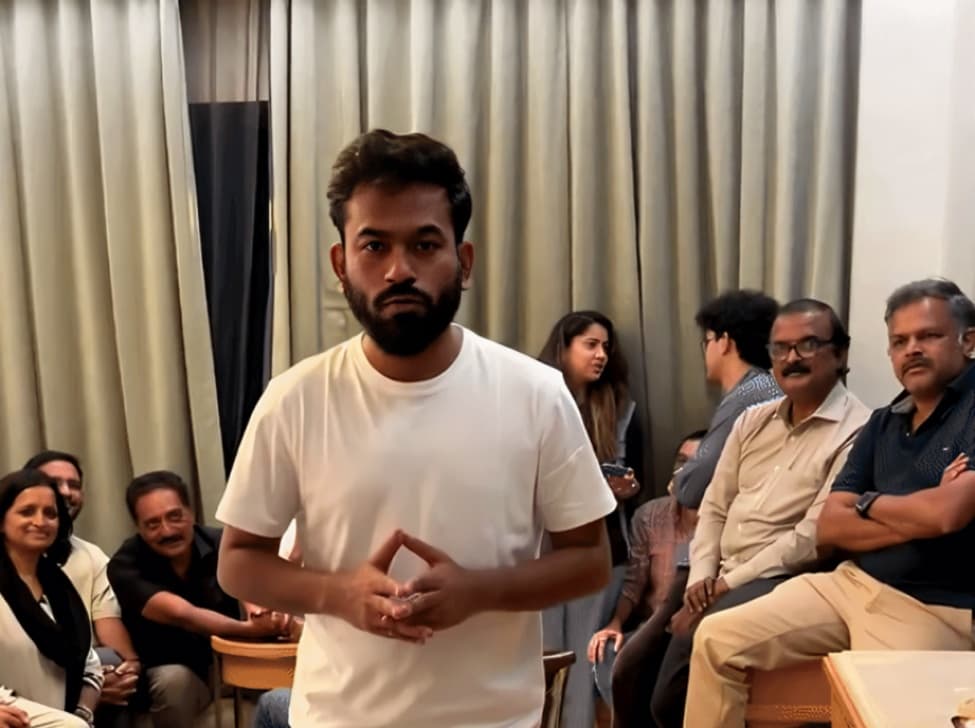
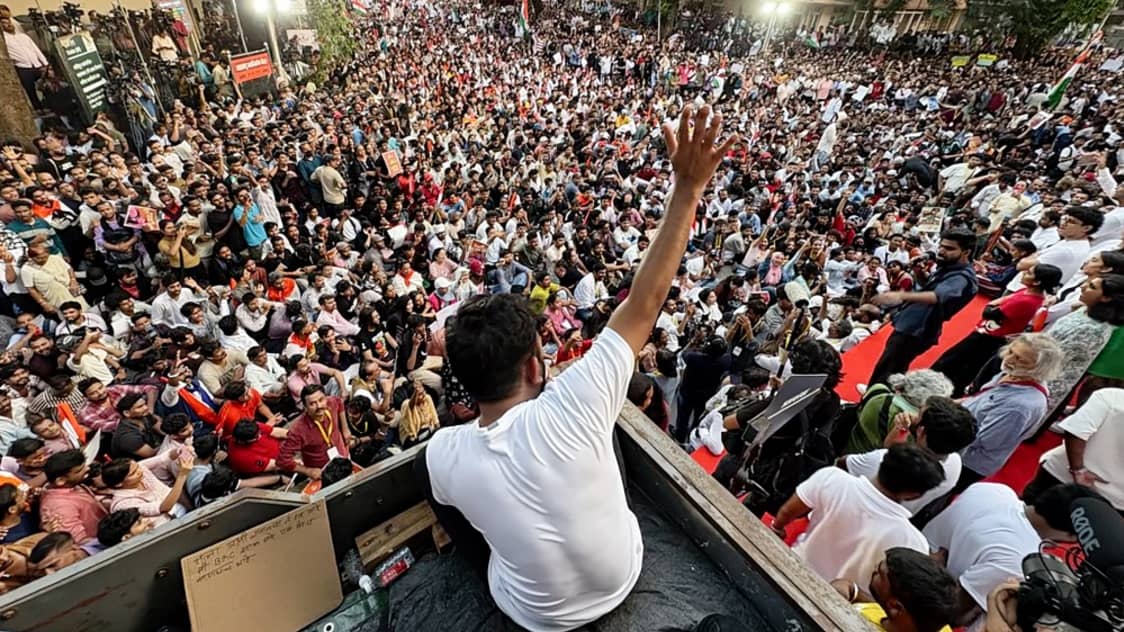
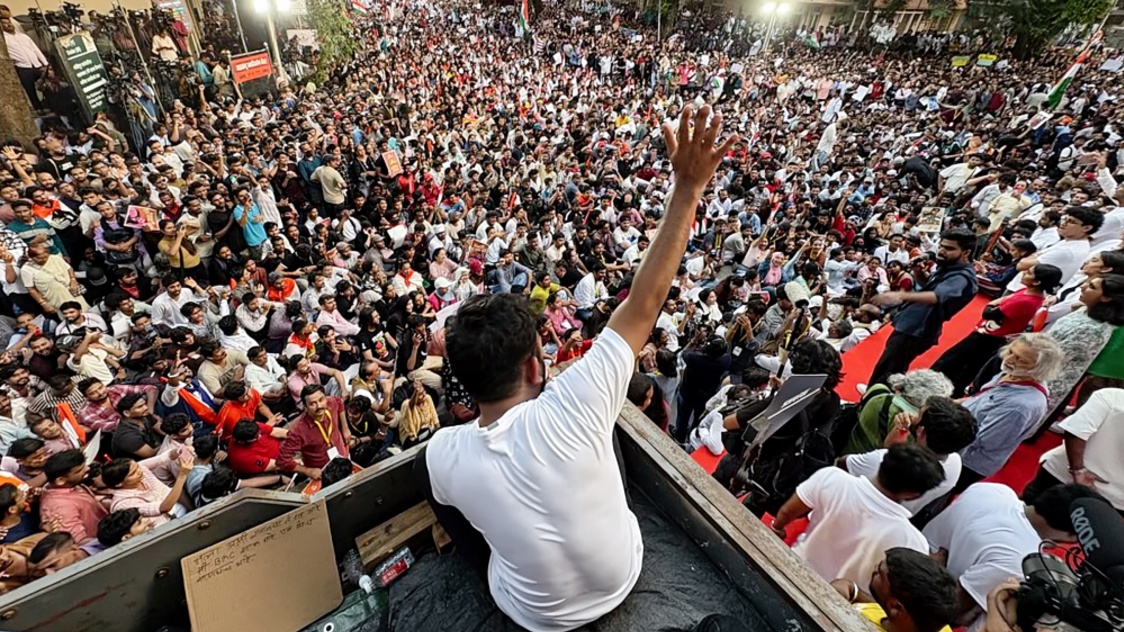
CJP co convenor Saurav Das said the October 10 demonstration would bring together young people, student groups and other supporters from different parts of the country. He appealed to supporters to travel to Delhi and prepare for what he described as a prolonged agitation.
According to Das, the campaign would not end simply with the resignation of Chief Election Commissioner Gyanesh Kumar. He said the organisers wanted broader changes to the electoral system and would continue their agitation until they believed meaningful reforms had been carried out.
The Special Intensive Revision of electoral rolls is at the centre of the dispute. Political parties and civil society groups have raised concerns about the process and its potential impact on voters. The CJP and supporting organisations have called for the revision exercise to be halted and have sought an independent inquiry into decisions taken during the process.
The organisers have also demanded the resignation of Gyanesh Kumar and have raised questions about the process used for appointing Election Commission officials. Some of their demands go beyond the current electoral roll revision and seek wider institutional changes.
The organisations have also called for restoration of the January 2025 electoral rolls, according to reports on the protest demands. They have argued that an independent review is necessary to address concerns surrounding voter registration and deletions. These are demands made by the protest organisers and do not represent established findings of wrongdoing by the Election Commission.
Student participation is expected to be a significant part of the October 10 mobilisation. AISA national president Neha Bora participated in the joint press conference along with representatives of SFI and AISF. The groups presented the protest as a broader campaign involving students, young people and civil society organisations.
The participation of several student organisations gives the planned demonstration a wider organisational base. The groups have sought to coordinate their activities rather than conduct separate protests. They have also appealed to people outside Delhi to join the mobilisation.
The organisers have described the protest as a campaign concerning democratic rights and electoral accountability. They have criticised what they consider to be problems in the electoral roll revision process and have called for greater transparency in the functioning of electoral institutions.
However, allegations made by protest leaders about electoral irregularities remain political claims unless independently established through official investigations or judicial findings. The Election Commission and the government have rejected allegations of wrongdoing and maintained that electoral roll revision is part of the established electoral process.
The October 10 demonstration also follows a series of political protests in Delhi over the Election Commission and electoral roll revision. Opposition parties have separately organised demonstrations and demanded accountability from the poll panel.
CJP representatives have formally informed Delhi Police about the proposed October 10 gathering. Saurav Das submitted an intimation letter at the Parliament Street police station, according to The Indian Express. The organisers said they had completed the required formalities and expected cooperation from the police while maintaining law and order.
There has also been disagreement over the issue of police permission. CJP representatives have maintained that they informed the authorities about the proposed protest and said they would cooperate with the police. Reports have indicated that the question of permission and arrangements for the gathering remains an important issue ahead of October 10.
The planned protest is expected to attract attention because of the involvement of multiple student and youth organisations. The organisers have issued a nationwide mobilisation call and have asked supporters to reach Delhi.
Saurav Das has also said that the campaign could continue for an extended period. He argued that the objective was not limited to seeking the removal of one Election Commission official but involved broader changes to the electoral system.
AISA and other student groups have similarly framed the mobilisation as part of a wider campaign concerning democratic institutions and voting rights. Their participation reflects growing political and student activism around the electoral roll revision debate.
The CJP has also raised several specific demands related to the electoral process. These include action against the Chief Election Commissioner, an independent inquiry into alleged irregularities, changes to the electoral roll revision process and reforms concerning the appointment of Election Commission officials.
The protest organisers have argued that changes are necessary to strengthen public confidence in the electoral system. They have called for greater transparency and accountability in the preparation and revision of voter lists.
At the same time, the Election Commission remains responsible for conducting the electoral roll revision process under the applicable legal framework. Any allegations of wrongdoing would need to be examined through appropriate legal or institutional mechanisms rather than treated as established facts solely on the basis of political statements.
The October 10 protest is therefore likely to become another significant event in the continuing debate over electoral rolls and the functioning of the Election Commission. The participation of CJP, AISA, SFI, AISF and other groups is expected to broaden the mobilisation beyond a single political organisation.
The organisers have said they intend to continue their campaign until they believe their demands for electoral reform are addressed. Whether the protest remains limited to October 10 or develops into a longer mobilisation will depend on the response from the authorities and the participating organisations.
For now, the principal focus remains the planned gathering at Jantar Mantar, the demand for changes to the electoral system and the criticism directed at Chief Election Commissioner Gyanesh Kumar.
The development highlights the increasingly prominent public debate over electoral roll revision in India. As political parties, student organisations and civil society groups continue to raise concerns, the Election Commission’s procedures and responses are likely to remain under close public scrutiny.
The October 10 protest is expected to bring together different groups that share concerns about the electoral process, although their individual political positions and organisational priorities may differ. The organisers have presented the mobilisation as a united campaign for electoral reforms.