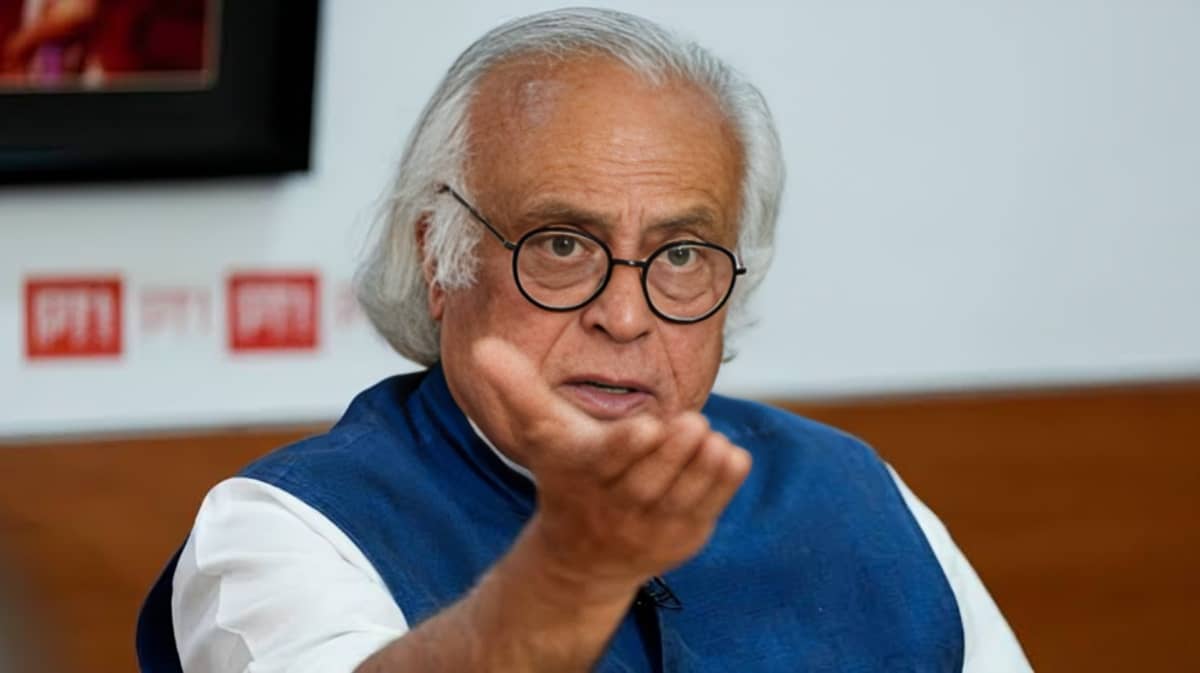
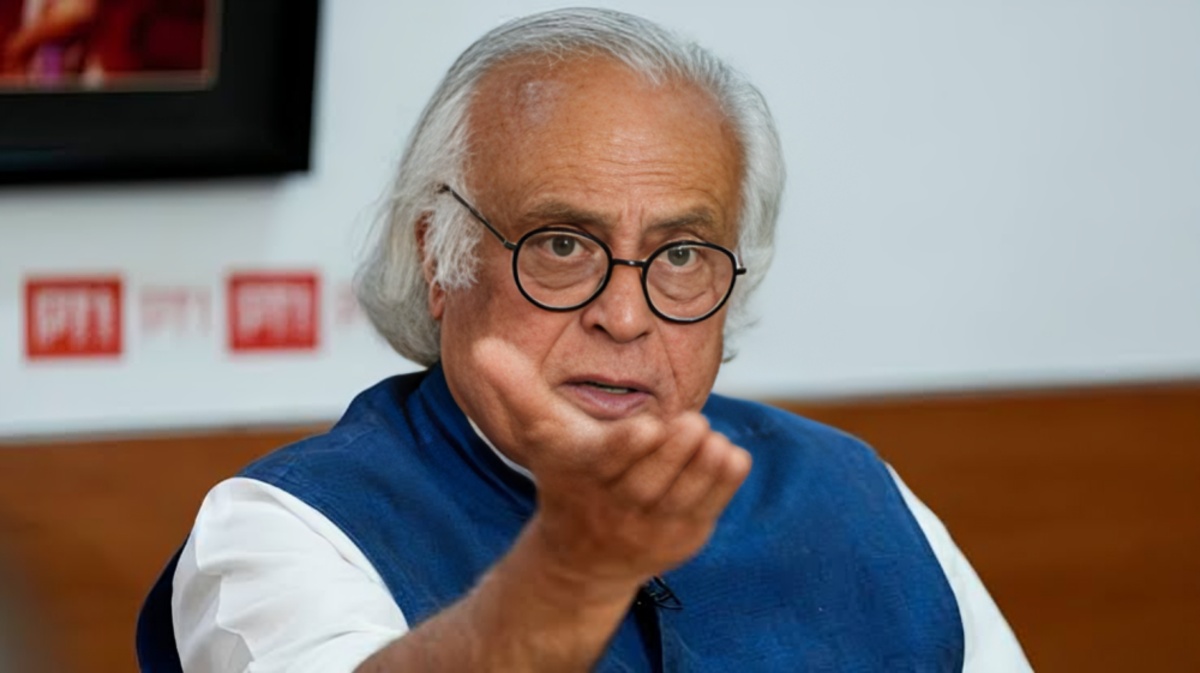
Congress general secretary in charge of communications Jairam Ramesh has renewed his demand for the resignation of Chief Election Commissioner Gyanesh Kumar, citing recent remarks made by Supreme Court Justice Ujjal Bhuyan on the importance of voting rights and concerns surrounding voter disenfranchisement.
Ramesh made the remarks on October 5 through a post on social media platform X. He shared a video of Justice Bhuyan speaking at NALSAR University of Law in Hyderabad and alleged that the judge’s comments had exposed concerns about the functioning of the Election Commission. Ramesh also accused Kumar of carrying out what he described as politically motivated and illegal directions. These are political allegations made by the Congress leader and have not been established as findings against the CEC.
Ramesh said Kumar should resign immediately and described the Chief Election Commissioner as a liability for the country. He also used the term G2, which he has used in political criticism to refer to Prime Minister Narendra Modi and Union Home Minister Amit Shah.
The Congress leader’s latest statement came a day after Justice Ujjal Bhuyan addressed the valedictory ceremony of the 19th Justice Bodh Raj Sawhney Memorial Moot Court Competition at NALSAR University of Law in Hyderabad.
During his address, Justice Bhuyan discussed the constitutional importance of voting rights and the consequences of any process that could result in large numbers of citizens losing their voting rights. He said the Constitution does not create two categories of citizens based on whether they have voting rights.
Justice Bhuyan stated that any process resulting in the disenfranchisement of millions of Indian citizens and effectively leaving them without voting rights would be arbitrary. He linked the issue to constitutional provisions concerning equality and elections, particularly Articles 14 and 326.
The judge also said that the right to vote is closely connected with India’s democratic and constitutional framework. He emphasised that no authority is above the Constitution and argued that the right to vote should be protected through proper constitutional safeguards.
Justice Bhuyan’s remarks came amid an ongoing controversy over the Election Commission’s Special Intensive Revision, commonly known as SIR, of electoral rolls. The revision process has become a major political issue, with opposition parties expressing concerns that eligible voters could potentially be excluded from electoral rolls during verification.
The Congress has repeatedly criticised the Election Commission over the SIR exercise and has questioned the functioning of the poll panel under CEC Gyanesh Kumar. The party has demanded greater transparency in the revision process and has argued that adequate safeguards should be available to ensure that eligible citizens are not removed from voter lists.
Ramesh has now used Justice Bhuyan’s remarks to strengthen the Congress’s criticism of the Election Commission. According to the Congress, the observations regarding voter disenfranchisement underline the importance of protecting citizens’ electoral rights and ensuring that voter list revisions do not exclude eligible voters.
The Congress leader had also criticised the CEC on October 4, saying that Justice Bhuyan’s comments demonstrated the constitutional importance of the right to vote. Ramesh claimed that the remarks showed that the Election Commission had violated constitutional principles. However, these claims represent the Congress party’s political position and are not a judicial finding that the CEC has violated the Constitution.
The controversy has also intensified following reports that Election Commissioners Sukhbir Singh Sandhu and Vivek Joshi had raised objections on several occasions concerning decisions and orders connected with the SIR process, voter registration and the Commission’s technology systems.
Reports said the two commissioners had raised objections at least 14 times over a period of about 10 months. The developments prompted further questions from opposition parties about decision making within the Election Commission.
The Election Commission, however, has rejected suggestions that such differences amounted to institutional dissent. The poll panel has said that differing views, observations and suggestions are part of deliberations within institutions and that its final orders have legal sanction and follow established statutory procedures. The Commission has also maintained that decisions relating to the SIR schedule were taken unanimously.
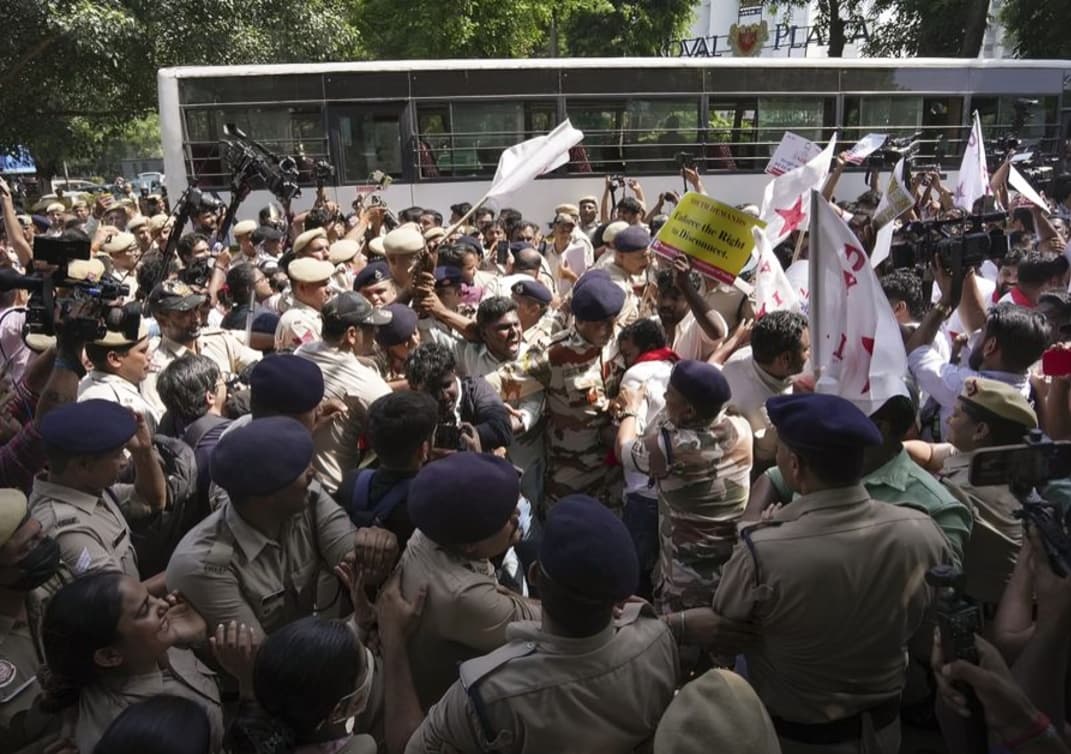
The political dispute has extended beyond statements by senior Congress leaders. On October 4, the Indian Youth Congress organised a protest march in Delhi against CEC Gyanesh Kumar and demanded his resignation. The protest was linked to the wider opposition campaign against the SIR exercise and concerns over the electoral roll revision process.
The protests and political statements have placed the Election Commission under increased public and political scrutiny. Opposition parties have continued to argue that the revision of electoral rolls must be carried out with complete transparency and sufficient mechanisms to protect eligible voters.
The Election Commission, meanwhile, has maintained that electoral roll revision is intended to improve the accuracy and integrity of voter lists. The poll panel has defended its constitutional authority to revise electoral rolls and has rejected allegations that the process is politically motivated.
The latest exchange between Ramesh and the Election Commission comes at a time when the SIR issue is also being discussed in the legal and political spheres. Justice Bhuyan’s remarks have been widely cited by opposition leaders, although his comments were made in the context of constitutional principles surrounding voting rights and should not be treated as a direct judicial order against the Election Commission.
For the Congress, the remarks have provided another basis for demanding accountability from the CEC. Ramesh has argued that the Election Commission must protect the voting rights of citizens and operate in a manner that maintains public confidence in the electoral system.
The Election Commission’s response has been that its electoral roll revision procedures are governed by law and that its decisions follow established statutory mechanisms. The disagreement therefore remains both a political and institutional issue, with the opposition demanding greater accountability and the poll panel defending the legality of its procedures.
The debate over SIR is expected to continue as political parties, legal experts and civil society groups examine the implications of voter list revision. At the centre of the dispute is the need to maintain accurate electoral rolls while ensuring that eligible citizens are not wrongly deprived of their opportunity to vote.
For now, Jairam Ramesh has reiterated the Congress demand that Gyanesh Kumar step down as Chief Election Commissioner. The Election Commission has not accepted the allegations made by the Congress and continues to defend the legality of its electoral roll revision process. The matter remains part of the wider political debate over electoral reforms, voter rights and the functioning of India’s election machinery.