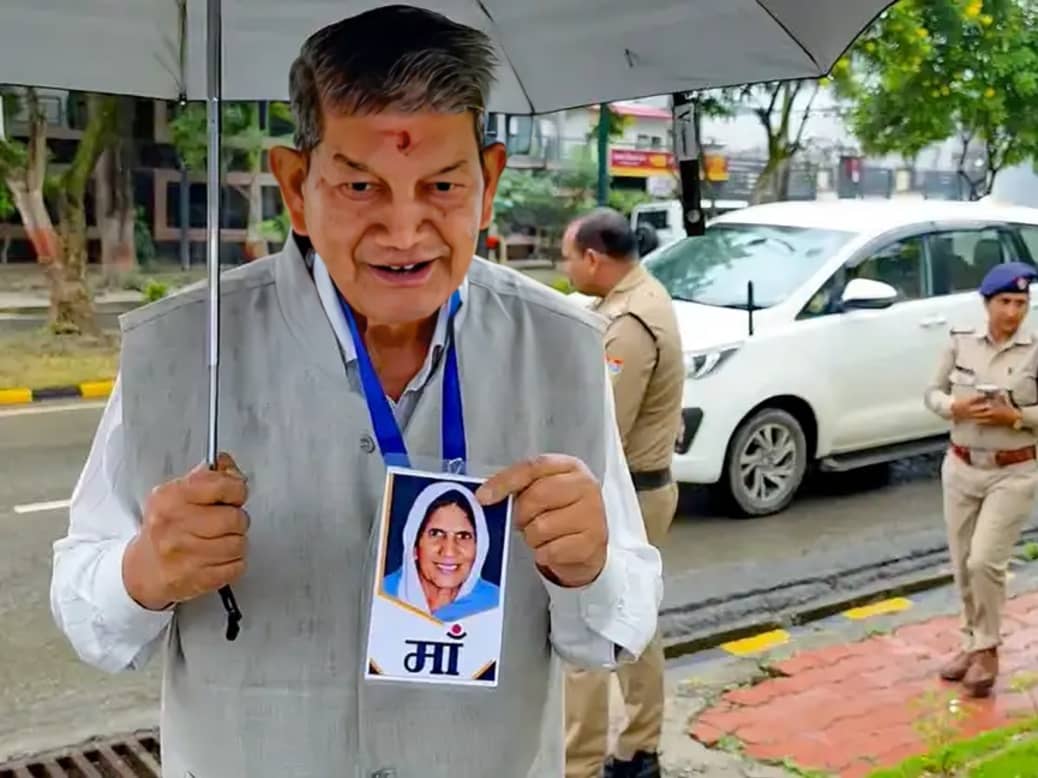
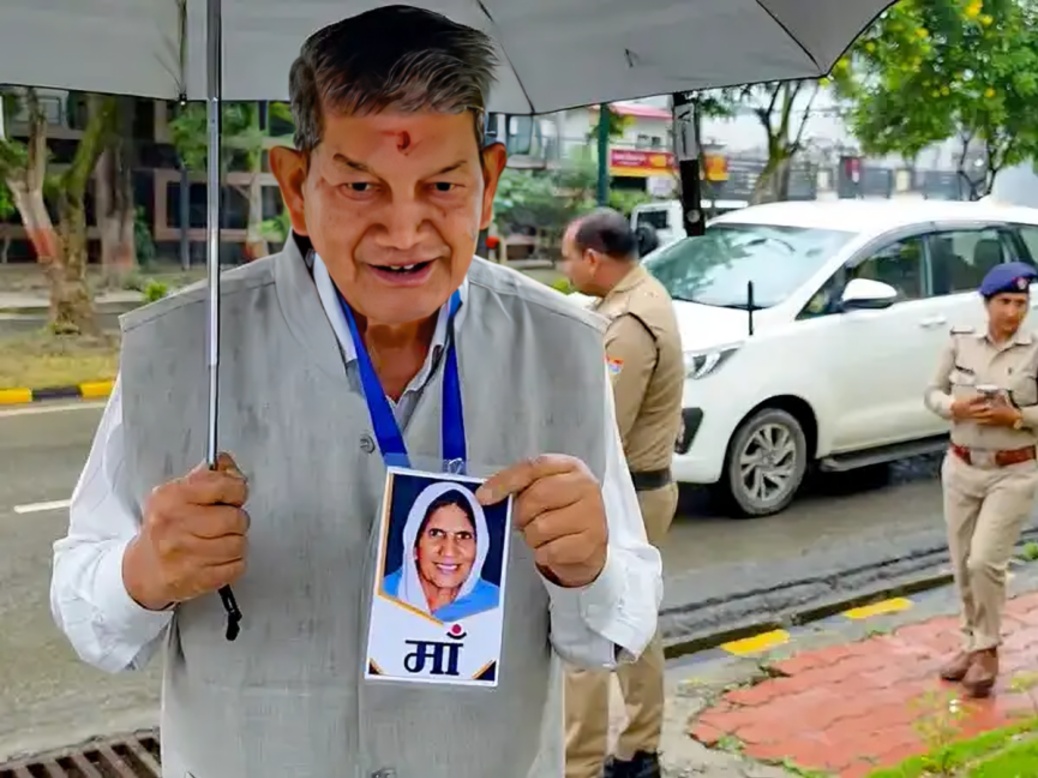
Former Uttarakhand Chief Minister and senior Congress leader Harish Rawat has continued his Dhanyawad evam Jan Samvad Yatra despite objections from the Congress leadership, bringing the differences within the Uttarakhand unit of the party into sharper focus.
Rawat began the latest phase of his public outreach programme from Jaspur towards Haldwani in the Kumaon region on October 5. The programme has been opposed by the Congress high command, which has described the initiative as a personal outreach effort being organised outside the formal party organisational structure.
Uttarakhand Congress in charge Kumari Selja had written to Rawat asking him to call off the Dhanyawad evam Jan Samvad Yatra. According to reports, the party leadership was concerned that independently organised political programmes could affect the Congress organisation’s coordinated preparations for the upcoming Assembly elections.
The party leadership has been closely monitoring political activities in Uttarakhand as it prepares for the next electoral contest. Congress leaders have reportedly sought greater coordination among senior leaders and have expressed concern about programmes being conducted without consultation with the state organisation.
Despite the warning, Rawat has maintained that he intends to continue the programme. Through social media posts, he reiterated his commitment to engaging with people across the state and said the campaign would focus on issues affecting Uttarakhand.
Rawat has also indicated that the yatra is being conducted under the Congress flag. His public statements have focused on issues such as unemployment, drug addiction, crime, social concerns and the welfare of people in the state. He has called for greater public participation and has linked the outreach to the broader objective of strengthening the Congress in Uttarakhand.
The disagreement comes at a sensitive time for the Uttarakhand Congress. The party is preparing for the upcoming Assembly elections, and the central leadership is seeking to maintain organisational unity and coordinate the activities of senior leaders.
Rawat’s decision to continue his yatra despite the warning has therefore become a significant internal issue. Some Congress leaders reportedly view independent political programmes as potentially disruptive to the party’s election strategy. His supporters, however, have maintained that his public outreach is intended to strengthen the Congress and connect directly with voters.
The dispute has also reached the Congress central leadership in Delhi. According to a report by India Today, Congress general secretary organisation K C Venugopal has summoned Rawat to Delhi amid concerns over his recent political activities and individual yatras in Uttarakhand. The reported meeting is expected to focus on party unity and aligning Rawat’s political programmes with the organisation’s broader election strategy.
Rawat’s recent activities have followed a period of political tension within the Uttarakhand Congress. His individual outreach programmes have attracted attention from both party supporters and critics. A recent disagreement involving Congress MLA Qazi Nizamuddin during Rawat’s political outreach also added to the perception of growing differences within the state unit, according to reports.
The former chief minister has also recently faced scrutiny following Enforcement Directorate action connected to an investigation into alleged irregularities in the 2016 Uttarakhand Subordinate Service Selection Commission Village Development Officer examination. Rawat has described the developments in political terms, while the investigation remains a separate matter from the current dispute over his yatra.
Rawat had earlier resigned from two Congress organisational posts following the Enforcement Directorate action. He said his decision was intended to ensure that his personal circumstances did not affect the party’s efforts. His continued political outreach has nevertheless kept him at the centre of discussions within the Uttarakhand Congress.
The latest dispute reflects a broader challenge for the party as it attempts to balance the influence of senior leaders with the need for a coordinated organisational strategy. Rawat remains a prominent Congress figure in Uttarakhand, with a long political career and a significant support base in the state.
The Congress leadership’s concern is that separate programmes by individual leaders could create conflicting messages at a time when the party needs to present a unified political position before the Assembly elections. The central leadership is therefore seeking greater coordination between Rawat and the state organisation.
At the same time, Rawat’s supporters argue that direct interaction with the public can help the party understand local concerns and strengthen its connection with voters. They maintain that the yatra is aimed at raising public issues and mobilising support for the Congress rather than working against the party organisation.
The disagreement is now likely to remain an important issue within Uttarakhand Congress as election preparations intensify. Whether Rawat’s outreach activities are brought under the formal party structure or continue independently could influence the relationship between the veteran leader and the central leadership.
For now, Rawat has continued with his planned programme despite the objections raised by the Congress leadership. The reported Delhi meeting with K C Venugopal could provide further clarity on how the party intends to handle his political activities and the wider differences within the Uttarakhand unit.
The developments underline the importance of internal coordination for the Congress as it prepares for the Uttarakhand Assembly elections. While Rawat has maintained that his outreach is aimed at strengthening the party, the leadership has emphasised the need for all political programmes to remain aligned with the official organisational strategy.
Three Line Content
Former Uttarakhand Chief Minister Harish Rawat has continued his Dhanyawad evam Jan Samvad Yatra despite objections from Congress leadership.
The party had asked Rawat to stop the independent outreach programme, citing concerns about organisational coordination ahead of the Assembly elections.
Rawat has maintained that his campaign is being conducted under the Congress flag, while the central leadership has sought greater coordination.