
Congress MP Imran Masood Among 10 Detained Near Jamia as Students Demand Union Elections
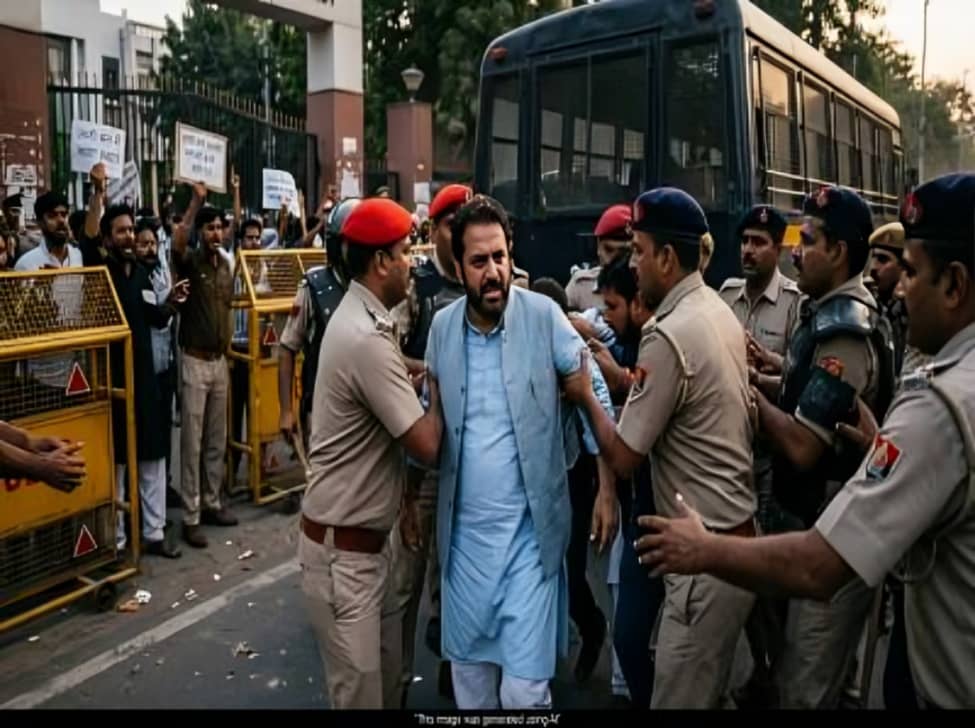
New Delhi, October 24, 2026: Delhi Police detained 10 people, including Congress MP Imran Masood, near Jamia Millia Islamia on Friday, October 23, as protests demanding the restoration of the university’s students’ union continued. The demonstration has drawn political attention, with opposition leaders expressing support for students seeking an elected representative body and an official schedule for union elections.
The protest began on October 12, when students launched an indefinite hunger strike to press for the restoration of the Jamia Millia Islamia Students’ Union and the announcement of an election timetable. The university’s last students’ union elections were held in 2005, and the union was dissolved in 2006. Students argue that the absence of an elected union has deprived them of a common platform to raise concerns about campus life and student welfare.
Congress MP Imran Masood Supports Students
Congress MP Imran Masood visited the area near the university to express support for the protesting students. Delhi Police detained him along with nine other people, according to reports. The detentions took place amid heightened security around the campus as the agitation continued.
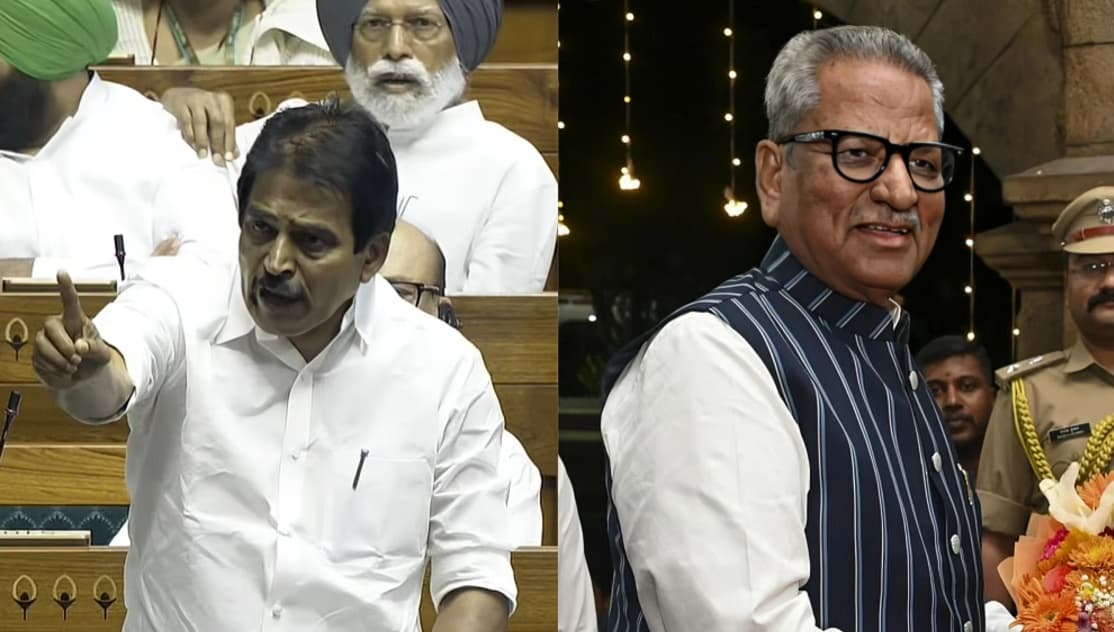
Samajwadi Party MP Mohibbullah Nadvi also said he had been detained while travelling to meet the protesting students. Reports indicated that he was subsequently released. The police action brought additional attention to the dispute, as opposition representatives sought to meet students and raise their concerns.
Masood questioned why the university had not restored the students’ union and said students’ demands deserved consideration. He also rejected slogans advocating the division of India amid a separate controversy over writing found on campus walls. The university administration condemned the slogans and said it was taking steps to identify those responsible. The claims surrounding the wall writing and responsibility for it remain separate from the students’ central demand for union elections.
Why Are Jamia Students Protesting?
The main demand is the restoration of an elected students’ union and an official notification setting out the election schedule. Students have also raised concerns about disciplinary action taken against some protesters and the conditions affecting student welfare.
The agitation intensified on October 17, when university authorities attempted to remove demonstrators from the Ghalib lawn near Gate No. 7. Earlier disciplinary action against students involved in the protest also became a source of tension between student groups and the administration.
The protesters have maintained that a formal election schedule is necessary to resolve the dispute. They want a time-bound process rather than an open-ended review of the proposal to restore the union. The continuing hunger strike has added urgency to their demands, while the university has said it is examining the question of establishing a students’ union.
University Forms Committee to Draft Union Constitution
The Jamia administration has taken steps to examine the restoration of the students’ union. On October 21, it formed a committee to draft a new constitution for the proposed union. The panel has been tasked with examining the circumstances surrounding the union’s dissolution in 2006, considering relevant court rulings and reviewing the recommendations of the Lyngdoh Committee on student elections.
The committee is also expected to consult stakeholders, including students, as part of its work. According to reports, it has been given a deadline of December 20 to submit a draft constitution. However, the formation of the committee has not ended the protest, as students continue to demand an official notification announcing the election schedule.
The administration has also indicated that disciplinary action initiated against protesting students during a specified period would be reviewed. Students, however, have questioned whether these steps adequately address their concerns and have continued to press for a clearer commitment on elections.
Security Tightened on Campus
Security arrangements around Jamia Millia Islamia have been tightened as the protests continue. Reports say students have been checked before being allowed to enter departments and centres. The campus has also seen disputes over access points and movement near the areas where demonstrations have taken place.
The university has raised concerns about slogans written on campus walls and alleged damage to some security equipment. Officials said action was being taken to identify those responsible. These developments have added to tensions between the administration and protesters, although the principal issue raised by the students remains the restoration of the elected union.
Opposition leaders have also urged the university to engage with students and establish a transparent timeline for resolving the dispute. Their interventions have brought the issue beyond the campus, while students continue to demand a formal announcement on the election process.
What Happens Next?
The immediate question is whether the university will announce a timetable for elections or continue with the constitution-drafting process before making a decision. The administration’s committee is expected to examine the framework for a restored union, while students are seeking a more immediate commitment.
As of October 24, 2026, the dispute remains unresolved. The detentions of Congress MP Imran Masood and other individuals have brought renewed attention to the agitation, but the central disagreement continues to concern student representation and the timing of elections. Further discussions between the university administration and student representatives may determine how the situation develops.
This report is based on published news reports. Allegations and statements by students, political leaders and university officials are attributed to the respective sources and should not be treated as independently established facts.