Congress Seeks Explanation From PM Modi on Arunachal Pradesh Border Situation
The Congress has called on Prime Minister Narendra Modi to brief Parliament and the public about the reported border situation in Arunachal Pradesh, raising questions about Indian troops’ access to established patrolling areas and the possibility of continuing confrontations with Chinese forces.
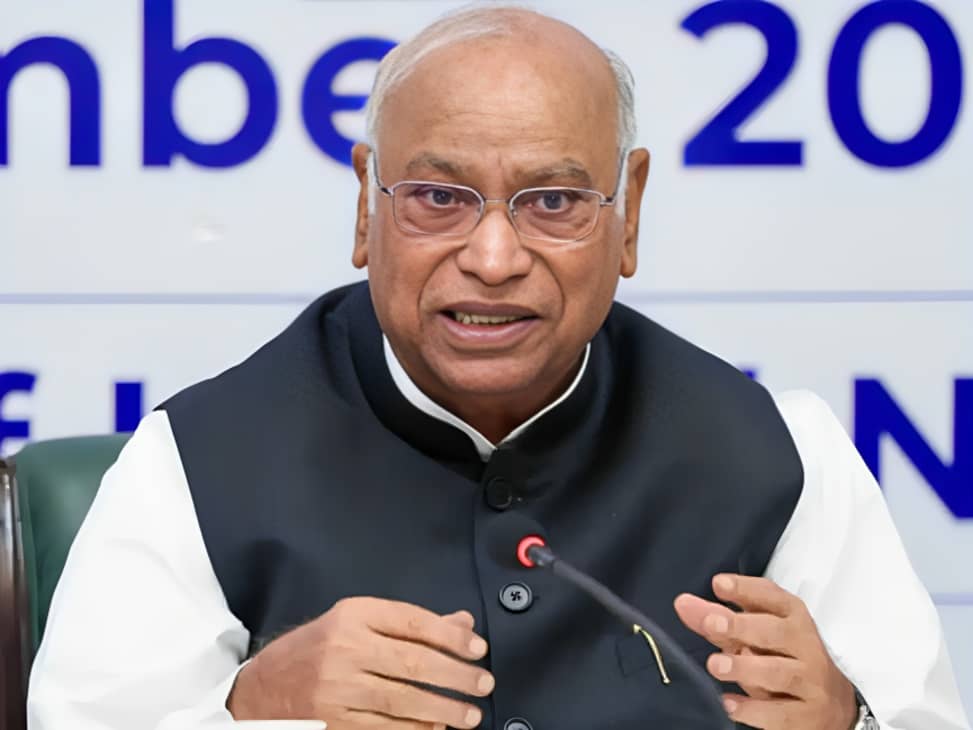
Congress president Mallikarjun Kharge said the government should provide a clear account of developments along the India China border. Referring to previous border tensions at Doklam and Galwan, he questioned whether the latest reports indicated another serious confrontation and whether India’s patrolling access had been affected.
The party’s demand comes amid reports of face offs between Indian and Chinese troops at several locations along the Arunachal Pradesh frontier. The developments have renewed political debate over border security, transparency and the government’s approach to relations with Beijing.
Kharge Raises Questions About Patrolling Access
Kharge questioned whether Indian troops retained access to their established patrolling points in Arunachal Pradesh. He also asked whether the situation had changed following reports of Chinese activity near Taksing in the state’s Upper Subansiri district.
The Congress leader called on the Prime Minister to take Parliament and the country into confidence rather than leave important questions about national security unanswered. He argued that the public should receive clarity on developments affecting India’s border areas.
The party has also raised questions about whether Indian forces continue to have access to specific patrolling locations and whether arrangements established before May 2020 have been fully restored in the relevant border sectors.
These points are political questions raised by the Congress and should not be treated as independently established findings. The precise situation at individual locations depends on official assessments and information from the authorities responsible for border management.
Reports of Face Offs Between Indian and Chinese Forces
The Congress’s latest demand follows reports that face offs between Indian and Chinese personnel have continued at multiple locations along the Arunachal Pradesh border. The remarks attributed to the Indo Tibetan Border Police leadership have also drawn attention to the situation.
The Line of Actual Control, or LAC, separates areas administered by India and China, although the two countries do not agree on the entire alignment. Border management has remained a major issue in bilateral relations, with military and diplomatic discussions used to address disputes and reduce the risk of escalation.
Tensions between the two countries have previously led to significant confrontations. The Doklam standoff in 2017 and the deadly Galwan Valley clash in June 2020 remain important reference points in discussions about India China border security. The Galwan clash resulted in the deaths of 20 Indian Army personnel.
By invoking these earlier incidents, Kharge questioned whether the latest reported developments required a stronger public explanation from the central government. However, references to past confrontations do not by themselves establish that the current situation is equivalent in scale or seriousness.
Government Position on Border Management
India’s official position is that peace and tranquillity along the border are important for maintaining stable relations with China. In response to questions about reported incidents, the Ministry of External Affairs has said that disturbances can occur when Chinese forces deviate from established patrolling patterns.
The ministry has also stated that India and China continue to use existing diplomatic and military mechanisms to address outstanding issues, prevent misunderstandings and improve border management. It has referred questions about specific military incidents to the relevant authorities.
This distinction is important when reporting on the issue. The Congress has demanded further clarification and raised concerns about access to patrolling areas, while the government’s broader stated approach includes diplomatic engagement and military-level discussions. Claims about any specific loss of access require confirmation from official statements or independently verified information.
Congress Calls for Greater Transparency
The opposition party says Parliament should be informed about developments involving national security. Its demand reflects a broader political disagreement over how the government communicates information about India’s relationship with China and the management of disputed border areas.
Congress leaders have also questioned the results of diplomatic engagements between Prime Minister Modi and Chinese President Xi Jinping. They argue that the government should explain what has been achieved through talks and whether those efforts have helped resolve concerns over border access.
The government has previously maintained that it is committed to protecting India’s territorial interests. Any assessment of the current situation should consider official statements from the government, relevant security agencies and both countries, rather than relying solely on claims made by political parties.
Why the Arunachal Border Situation Matters
Arunachal Pradesh is strategically important because of its location along India’s border with China. Border developments can affect national security, infrastructure planning and the daily lives of communities living in frontier areas.
Access to traditional routes and grazing areas can also be significant for people living in remote border districts. For this reason, information about patrolling arrangements and local conditions is relevant beyond the political debate in New Delhi.
The Congress has asked the Prime Minister to address these concerns publicly. Whether the government issues a detailed statement in Parliament or provides further information through official briefings will be important to follow.
For now, the central issue is the demand for clarity. Kharge has questioned whether Indian patrolling access has been compromised and whether the reported confrontations point to a wider problem. Those questions remain distinct from a confirmed finding that India has lost access to any particular area.
The latest developments underline the importance of accurate information, official clarification and continued diplomatic and military communication between India and China. Any further assessment should be based on verified details about the incidents, the locations involved and the status of patrolling arrangements.