Kerala Governor’s Vegetarian-Only Kitchen Directive Triggers Political Controversy
A reported directive by Kerala Governor Om Prakash Mathur to prepare only vegetarian food in the kitchen at Lok Bhavan, the Governor’s official residence, has triggered a political controversy in the state. Congress leader K.C. Venugopal strongly criticised the reported move, alleging that it reflected the ideological agenda of the Sangh Parivar. The issue has renewed debate over personal dietary preferences, Kerala’s diverse food culture and the limits of administrative authority within an official residence..
Governor’s reported directive
Om Prakash Mathur assumed office as the 29th Governor of Kerala on October 23, 2026. Soon after his appointment, reports emerged that he had instructed the Lok Bhavan kitchen not to prepare or serve non-vegetarian dishes.
According to sources quoted in media reports, Mathur follows a strict vegetarian diet and wanted the kitchen preparing his meals to serve vegetarian food. The reported instruction became a subject of political discussion because the kitchen had previously prepared both vegetarian and non-vegetarian dishes.
The exact scope of the directive has been described differently in media reports. Sources from the Governor’s office told several news organisations that food prepared in the kitchen was intended for the Governor and a few members of his personal staff. They said other employees were not restricted from choosing their own food, as they could bring meals from home or eat outside. Another report indicated that the restriction could also affect food served at certain official functions. The scope of the instruction should therefore be understood in the context of these differing reports.
K.C. Venugopal criticises the move
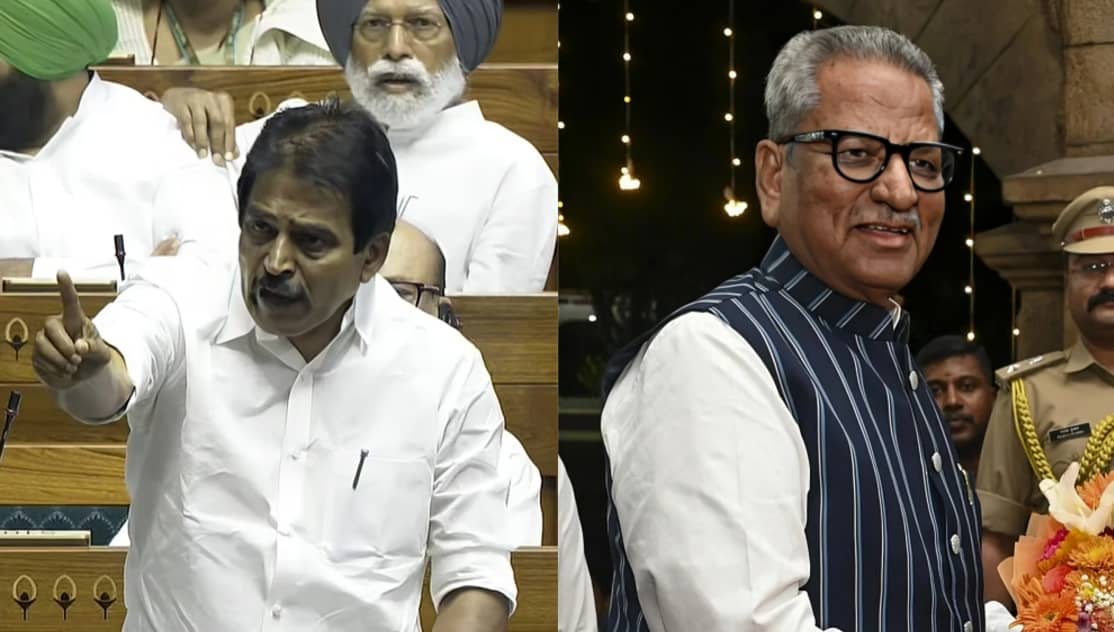
Congress general secretary K.C. Venugopal criticised the reported directive, arguing that food habits are a matter of personal choice and that Kerala has a diverse culinary tradition. He alleged that the decision reflected the Sangh Parivar’s ideological interests and described it as a possible step towards implementing what he called a “saffron agenda” in the state.
Venugopal pointed to Kerala’s long-standing food traditions, which include both vegetarian and non-vegetarian dishes. As a coastal state, Kerala is also known for its fish-based cuisine. He argued that the food preferences of people in the state should not be restricted by an authority’s personal dietary choices.
The Congress leader also said that the Governor was entitled to follow a vegetarian diet himself. However, he questioned whether that personal preference should determine the food policy of an official establishment. He urged the Governor to reconsider the reported instruction, arguing that individual freedom includes the ability to choose what to cook and eat.
These statements represent Venugopal’s political criticism of the reported decision. The allegation that the directive forms part of a broader ideological agenda has not been established as a fact.
Other political leaders raise concerns
The controversy also drew criticism from other political leaders in Kerala. State Home Minister and senior Congress leader Ramesh Chennithala reportedly said that deciding what another person should eat was inappropriate, stressing that food choices were a matter of individual freedom.
Communist Party of India (Marxist) state secretary M.V. Govindan also questioned the reported instruction. He said people in a democratic country should be free to choose between vegetarian and non-vegetarian food. According to media reports, Govindan argued that the Governor’s personal preference should not be imposed on others.
The responses from Congress and the CPI(M) brought the issue into the wider political debate over food habits, personal liberty and ideological differences. However, the central factual question remains the scope of the reported kitchen instruction and who is affected by it.
Governor’s office clarifies the restrictions
Sources from the Governor’s office said Mathur’s decision was based on his personal dietary preference. They maintained that there was no restriction on the food choices of Lok Bhavan employees, who could bring food from home or eat outside.
The sources also said that the kitchen’s meals were served to the Governor and a limited group of people working closely with him. This clarification is important because it distinguishes a dietary arrangement for the Governor’s meals from a general prohibition on non-vegetarian food across the entire establishment.
At the same time, media accounts have differed over whether the directive applies only to meals for the Governor and his personal staff or also affects food prepared for events and guests. Until the full scope is clarified officially, reports should avoid stating that all employees or visitors have been prohibited from eating non-vegetarian food.
Kerala’s food traditions at the centre of the debate
Kerala has a diverse culinary culture shaped by regional traditions, geography, communities and religious practices. Vegetarian meals, seafood, fish curries and meat dishes all form part of the state’s food landscape. The controversy has therefore extended beyond a kitchen arrangement to a wider discussion about the significance of food choices in public life.
The dispute also raises questions about how personal preferences are managed within official residences. A Governor may choose a particular diet for personal reasons, while critics may question whether that preference should determine the menu in a shared institutional setting. The distinction between an individual dietary choice and a rule affecting others is at the heart of the current debate.
For now, the reported vegetarian-only directive has prompted strong reactions from Congress and CPI(M) leaders, while sources from Lok Bhavan have said employees’ personal food choices remain unrestricted. The political argument is continuing, but the reported directive and the allegations surrounding its ideological significance should be presented separately.
The development highlights how food, culture and politics can intersect in Kerala. Further official clarification on the instruction’s scope would help establish whether it applies solely to the Governor’s meals or extends to other kitchen services at Lok Bhavan.