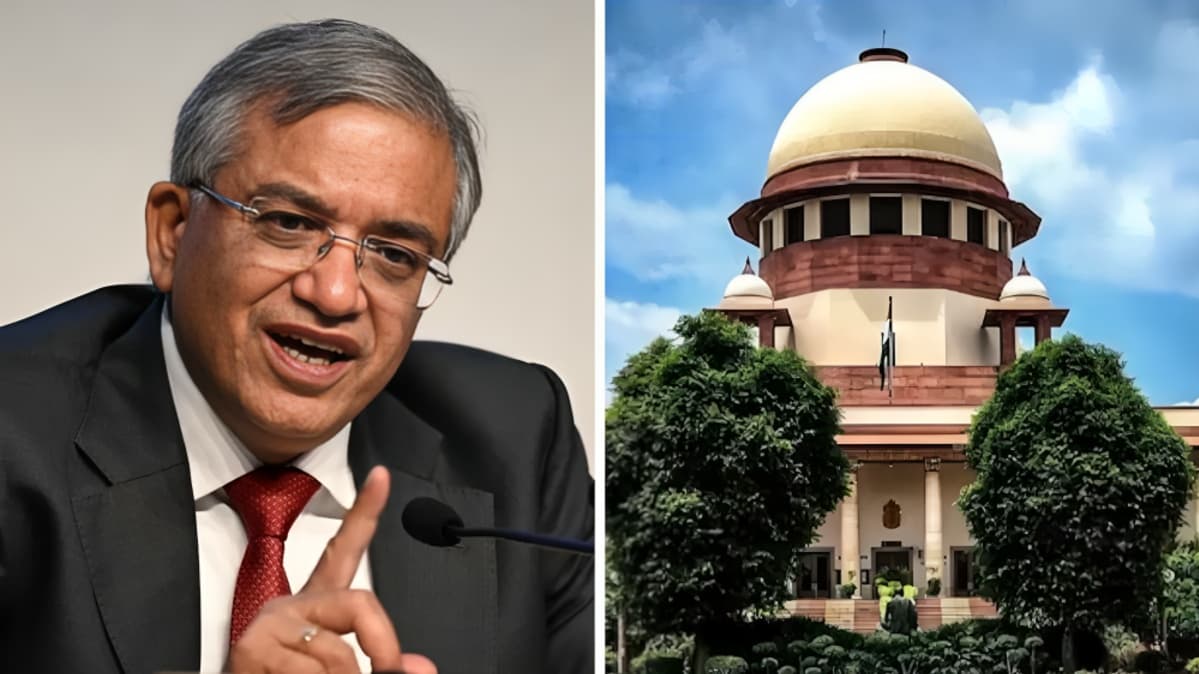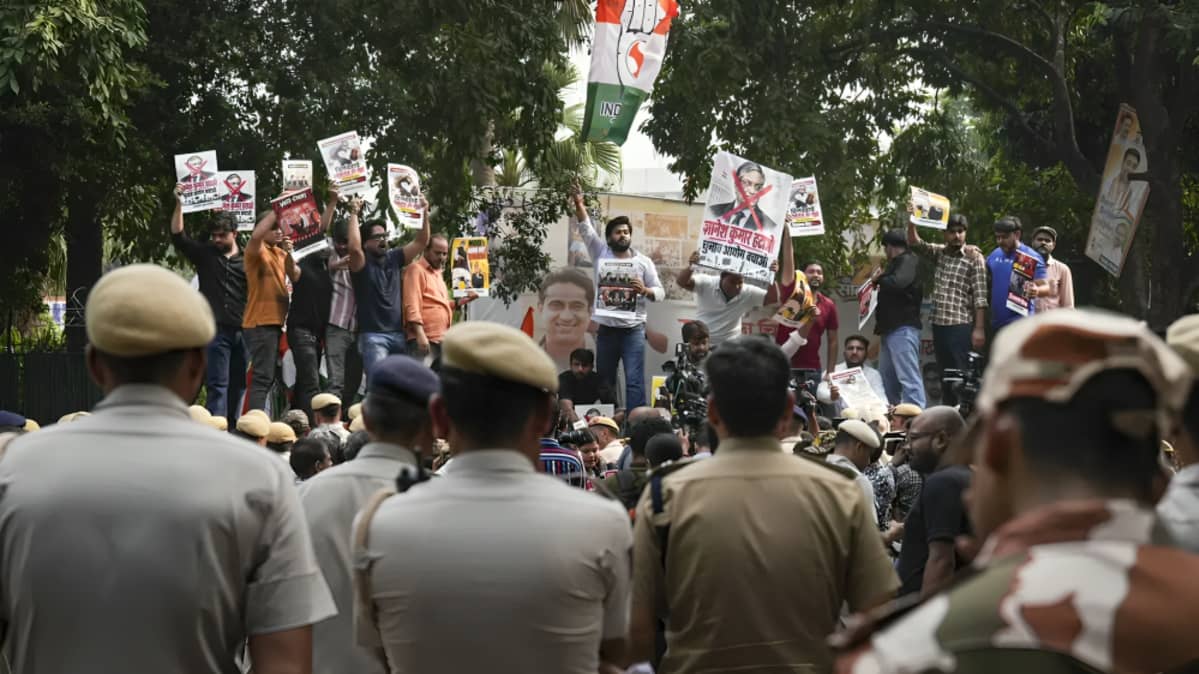
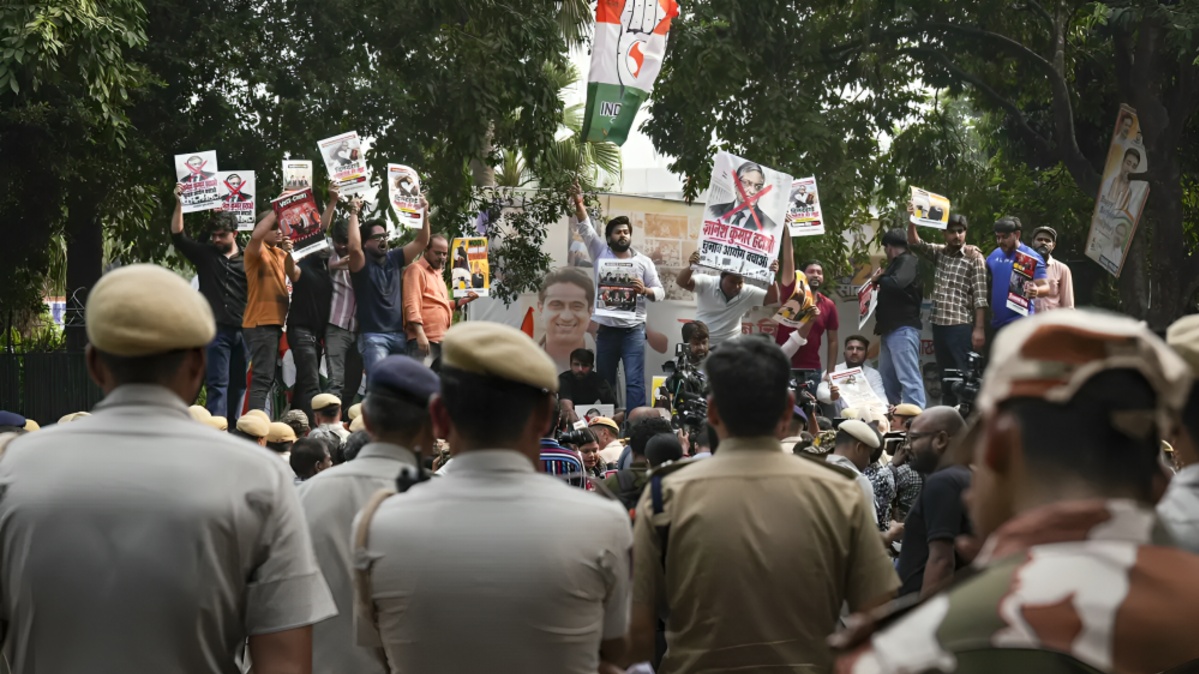
Congress leaders and workers held demonstrations outside Election Commission offices in several state capitals on Friday, September 25, demanding the resignation and removal of Chief Election Commissioner Gyanesh Kumar.
The protests came amid a growing political dispute over the functioning of the Election Commission of India and reports of differences among members of the three member constitutional body. The controversy is linked mainly to the Special Intensive Revision of electoral rolls and the manner in which certain decisions connected with the revision process were taken.
Congress leaders have accused the Election Commission of failing to maintain transparency in the electoral roll revision process. The party has demanded action against the Chief Election Commissioner and has also called for his arrest. These are political allegations made by the Congress and have not been established as findings of a court or other competent authority.
The demonstrations were reported in several state capitals, with Congress workers raising slogans against the Election Commission and demanding accountability. In some places, police deployed barricades to prevent protesters from approaching election offices. In Chandigarh, for example, Congress workers were stopped by police during their demonstration, with reports of water cannons being used as protesters attempted to move forward.
In Assam, Congress state president Gaurav Gogoi and other party leaders were detained after attempting to cross police barricades during a protest concerning the electoral roll revision controversy.
Congress leader Rahul Gandhi also addressed the broader political dispute surrounding the Election Commission. During the protests and his public statements, Gandhi emphasised the importance of protecting the Constitution and democratic institutions. He has repeatedly raised concerns about the electoral roll revision process and questioned the functioning of the poll panel.
The latest protests followed reports that Election Commissioners Sukhbir Singh Sandhu and Vivek Joshi had raised written objections on several occasions concerning decisions and orders related to electoral roll management. An investigation published by The Indian Express reported that the two Election Commissioners had formally raised objections at least 14 times over a period of 10 months.
The reported differences have become a major political issue. Opposition parties have interpreted the reported objections as evidence of concerns within the Election Commission and have demanded greater disclosure of the circumstances surrounding the decisions.
The Election Commission has rejected the suggestion that the reported differences indicate a breakdown within the institution. The poll panel has said that different views, observations and suggestions are part of the normal deliberations of a multi member constitutional body.
The Election Commission has also maintained that the final decisions, including decisions connected with the Special Intensive Revision, were taken unanimously. This remains the official position of the poll panel in response to the reports about internal differences.
The BJP has supported the Election Commission's position and rejected the allegations raised by the Congress. BJP leaders have argued that the opposition is using the reported internal discussions to make broader allegations against the poll panel.
BJP spokesperson Sudhanshu Trivedi questioned the basis of the reports concerning disagreements within the Election Commission and said that the final decisions of the Commission were unanimous. The BJP has also criticised Rahul Gandhi's allegations concerning the electoral process and accused the Congress of attempting to create a political controversy around the issue.
At the same time, the issue has produced questions from within the wider National Democratic Alliance. Union Minister and Lok Janshakti Party Ram Vilas president Chirag Paswan said the Election Commission should clearly explain its position when questions are raised about its functioning.
Paswan said the Election Commission is an independent constitutional institution and that it has a responsibility to address doubts among the public. He said the poll panel should communicate its position clearly so that public confidence in the electoral system is not affected.
Other NDA leaders have also called for clarification from the Election Commission. Rashtriya Lok Morcha leader Upendra Kushwaha and a Telugu Desam Party leader have similarly stressed the importance of transparency and maintaining public confidence in the electoral process.
The controversy is closely connected with the Special Intensive Revision of electoral rolls. The SIR process has become a major political issue, with opposition parties questioning aspects of voter verification and electoral roll revision.
The Election Commission has maintained that the revision process is being carried out within the legal framework. The poll panel has also rejected suggestions that differences expressed during internal discussions should be interpreted as evidence that final decisions were divided.
The Congress, however, has continued to demand accountability from the Chief Election Commissioner. Party leaders have argued that the reported objections by other Election Commissioners require a public explanation and examination.
The dispute has also expanded into a wider political debate about the credibility and functioning of India's electoral institutions. Congress leaders say that transparency in electoral roll management is essential to protect voters and democratic participation.
The BJP has taken a different position and has defended the Election Commission's handling of the SIR process. The party has argued that the opposition's allegations are politically motivated and has questioned the evidence presented by Congress leaders.
The competing positions have created a political confrontation between the Congress and BJP at a time when electoral roll revision remains an important issue in several parts of the country.
The role of the Election Commission is particularly significant because it is constitutionally responsible for supervising elections and maintaining electoral rolls. Any controversy involving the poll panel therefore attracts considerable political and public attention.
The present dispute, however, involves different types of claims. The reported internal objections are based on media reports about communications and deliberations within the Election Commission. The Congress has drawn political conclusions from those reports, while the Election Commission has said that different views during deliberations are normal and that final decisions were unanimous.
The BJP has rejected the Congress's allegations, while some NDA allies have independently asked the Election Commission to provide greater clarity. These positions illustrate the different responses to the controversy without establishing that the allegations against the CEC are proven.
For the Congress, the immediate focus remains on demanding accountability from Gyanesh Kumar and questioning the Election Commission's handling of the electoral roll revision process. The party has continued its demonstrations and public campaign on the issue.
For the Election Commission, the stated position remains that its final decisions were taken unanimously and that internal discussions can include different views among members.
For the BJP, the issue has become an opportunity to challenge the Congress's allegations and defend the functioning of the poll panel. BJP leaders have also raised questions about Congress's claims concerning the electoral process.
The next stage of the controversy will depend on further explanations from the Election Commission, additional political responses and any legal proceedings that may arise from the dispute.
For now, there has been no reported final finding by a court establishing wrongdoing by Chief Election Commissioner Gyanesh Kumar in connection with the allegations raised by the Congress. The resignation and arrest demands therefore remain political demands made by the opposition party.
The controversy is expected to remain a significant political issue as parties continue to debate the Special Intensive Revision, electoral roll management and the functioning of the Election Commission.