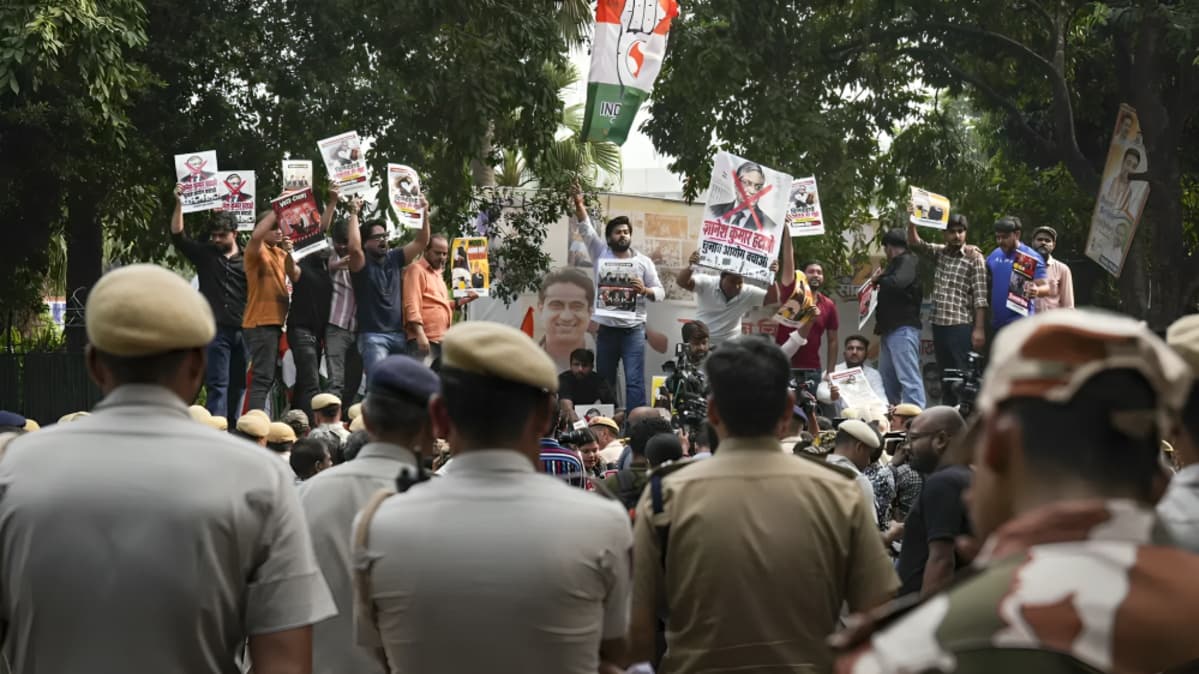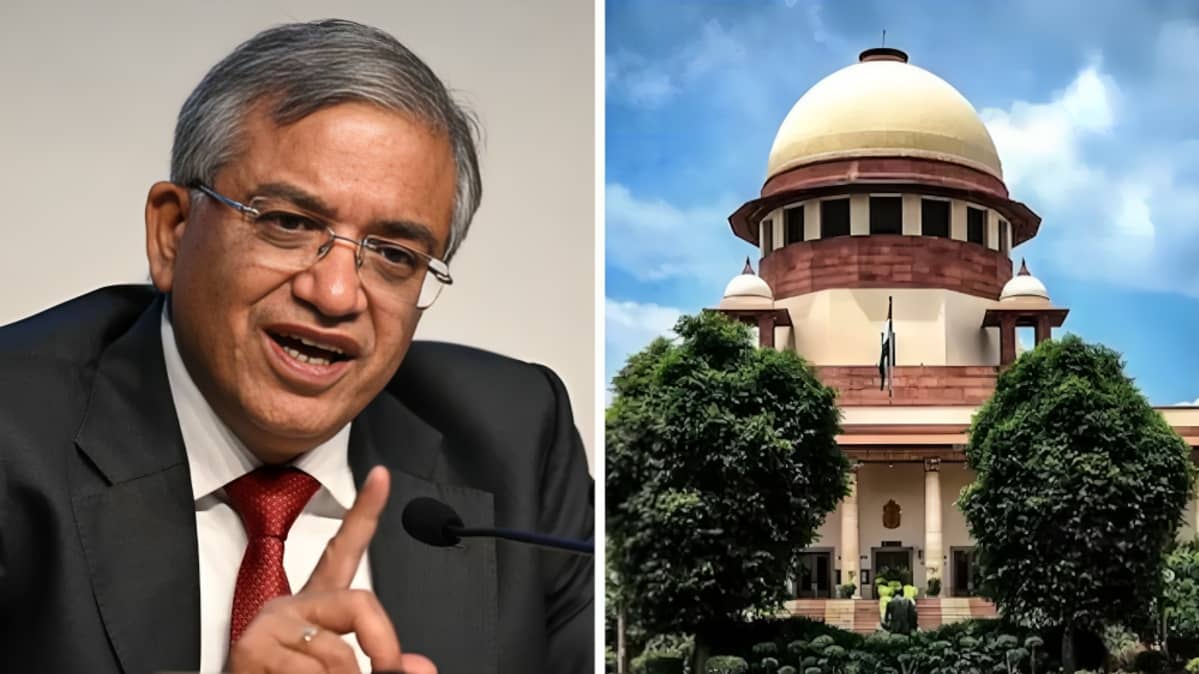
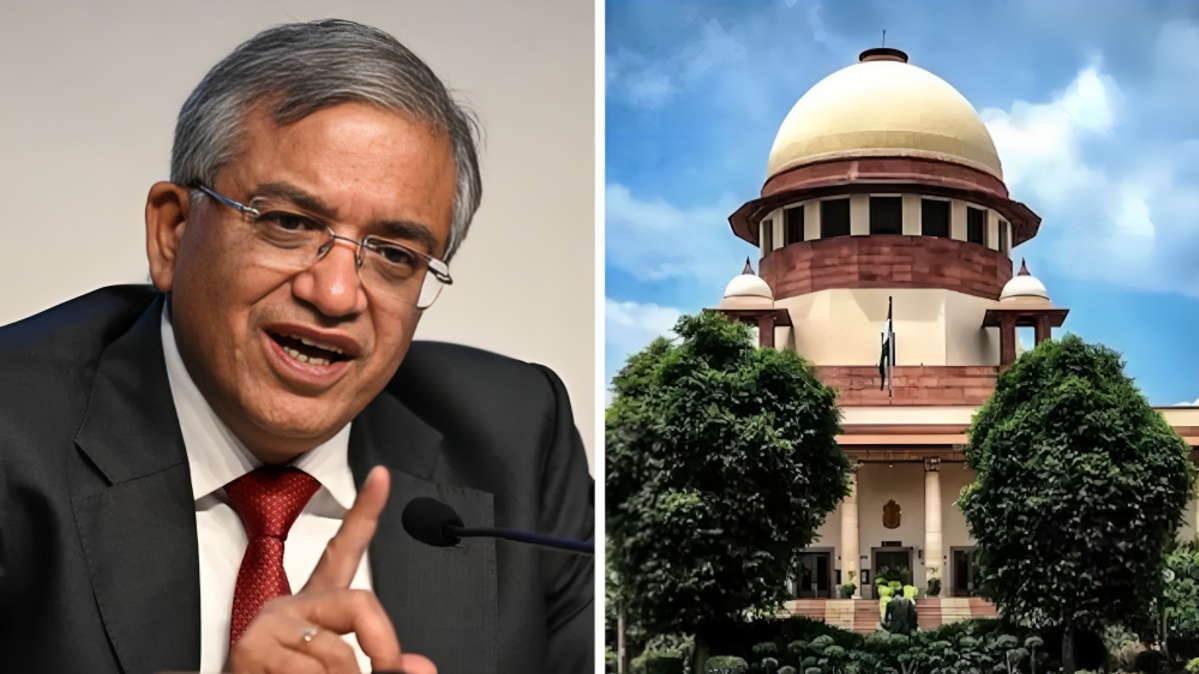
The controversy surrounding the Election Commission of India and voter registration has intensified after the Congress raised allegations against Chief Election Commissioner Gyanesh Kumar over changes made to Form 6, the statutory application used by eligible citizens to register as voters.
The Congress has alleged that the Election Commission introduced changes to the online version of Form 6 without following the procedure required under election laws. The party has also urged the Supreme Court to take note of the issue and hold the Chief Election Commissioner accountable if the allegations are found to have legal merit.
The dispute is connected to an additional declaration that appeared on the online version of Form 6 on the Election Commission's ECINet portal. The form is primarily used by people who have become eligible to vote, including citizens who have reached the age of 18, as well as eligible citizens seeking fresh enrolment.
According to reports, the additional section asked applicants to provide information connected with their own or their parents' presence in electoral rolls from an earlier Special Intensive Revision. The change attracted attention because the information was connected with the ongoing debate surrounding the Special Intensive Revision of electoral rolls.
The Indian Express reported that Election Commissioners Vivek Joshi and Sukhbir Singh Sandhu had raised objections to the alteration. According to the report, they argued that Form 6 is a statutory form prescribed under the Registration of Electors Rules, 1960, and that changes to the prescribed form would require the appropriate legal and administrative procedure.
The issue has particular significance for first-time voters. Critics of the change have argued that asking young applicants to provide information concerning their parents or earlier electoral rolls could create additional difficulties for people whose families do not have records from previous revisions.
The Congress has used these concerns to question the manner in which the Election Commission handled the Form 6 modification. Congress general secretary Jairam Ramesh accused the Chief Election Commissioner of knowingly violating legal and constitutional practices and called for Supreme Court intervention. He also supported the demand for Kumar's resignation.
However, the Election Commission's position differs from these allegations. The poll body has maintained that Form 6 itself has not been changed. According to reports citing Election Commission sources, the additional declaration was associated with the Special Intensive Revision orders rather than a substantive amendment to the statutory Form 6. The Commission has also said that the relevant SIR orders were approved by all three Election Commissioners.
This difference in interpretation is at the centre of the current controversy. While opposition leaders and some reports have questioned whether the Election Commission had the authority to introduce the additional information requirement through the online application, the poll body has maintained that the statutory Form 6 remains unchanged.
Form 6 has an important role in India's electoral system because it provides a mechanism for eligible citizens to seek inclusion in the electoral roll. The legal framework governing electoral registration is based on the Representation of the People Act and the Registration of Electors Rules. The procedure for making changes to statutory forms has therefore become an important part of the current debate.
The controversy also comes against the background of wider disagreements surrounding the Special Intensive Revision of electoral rolls. Reports have highlighted differences among Election Commission officials over various aspects of voter registration, deletion and restoration of names. The Indian Express has reported that Election Commissioners Sukhbir Singh Sandhu and Vivek Joshi raised objections on several occasions concerning decisions related to electoral rolls and voter registration.
The Form 6 dispute is therefore not an isolated administrative issue. It has become part of a broader discussion about the functioning of the Election Commission, the procedure for electoral roll revisions and the safeguards available to eligible voters.
For the Congress, the central issue is whether the additional requirements were introduced through the legally prescribed process and whether they could create unnecessary obstacles for new voters. The party has asked the Supreme Court to examine the matter and determine whether any legal or constitutional provisions were violated.
For the Election Commission, the key position is that there was no alteration of the statutory Form 6 itself and that the additional declaration was connected to the SIR framework.
The Supreme Court's consideration of any petition or challenge will be important in determining the legal questions surrounding the issue. Until such proceedings establish otherwise, the allegations against the Chief Election Commissioner remain allegations, while the Election Commission's explanation represents the poll body's stated position.
The controversy highlights the importance of ensuring that voter registration procedures remain legally compliant, transparent and accessible to eligible citizens. It also underlines the significance of clear communication when changes or additional requirements are introduced into online voter-registration systems.