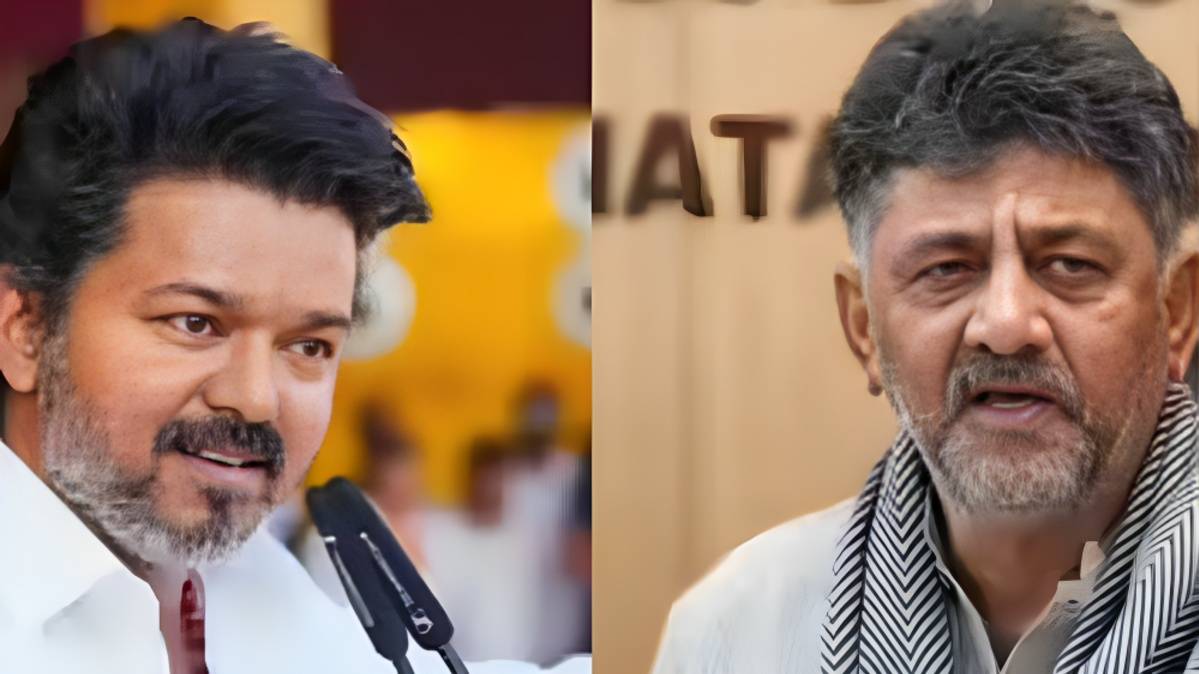
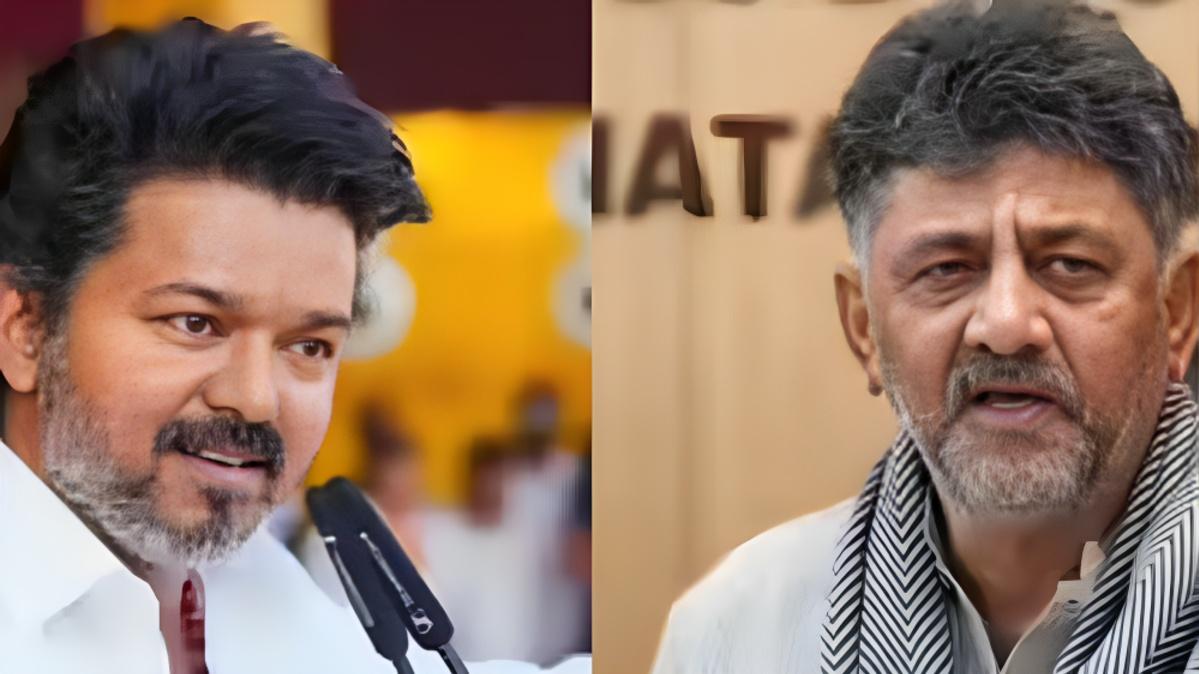
The Cauvery water dispute between Karnataka and Tamil Nadu has returned to the spotlight following fresh remarks by Karnataka Chief Minister D K Shivakumar. Responding to questions about Tamil Nadu's demand for additional water from the river, Shivakumar said Karnataka would certainly provide water if sufficient reserves were available. However, he claimed that the state was currently struggling to meet even its own drinking water requirements.
His comments came after the Supreme Court dismissed two applications filed by the Tamil Nadu government seeking directions to Karnataka to release an additional 11 thousand million cubic feet of Cauvery water. The legal development has once again highlighted the challenges surrounding water availability, agricultural requirements and the implementation of interstate water-sharing arrangements.
The Cauvery river is an important water source for both states. Disagreements over its allocation have continued for decades, particularly during periods of inadequate rainfall and reduced water storage in reservoirs.
DK Shivakumar's Statement on Cauvery Water Supply
Speaking to reporters in Bengaluru, Karnataka Chief Minister D K Shivakumar said his government would be willing to provide Cauvery water to Tamil Nadu if the state had sufficient reserves.
He maintained that Karnataka was also facing water-related difficulties and had to prioritise the drinking water needs of its own population.
Shivakumar said, "If we have water, we will certainly give water to Tamil Nadu. We do not have water even for drinking. I have to protect our state."
He also said he had earlier cautioned farmers about the availability of water. According to the Chief Minister, the present situation was known to both Karnataka and Tamil Nadu.
The statement reflects Karnataka's position that water availability remains a major concern. It also comes amid continuing disagreements between the two states over the amount of Cauvery water that should be released.
Supreme Court Dismisses Tamil Nadu's Two Applications
The Chief Minister's remarks followed an important development in the Supreme Court.
On November 20, 2026, a bench comprising Justices Vikram Nath and Aparesh Kumar Singh dismissed two applications filed by the Tamil Nadu government. The applications sought directions requiring Karnataka to release an additional 11 TMC of Cauvery water.
Tamil Nadu had approached the Supreme Court seeking the release of water to compensate for an alleged shortfall in the state's share. It argued that the outstanding quantity of water had affected its requirements, particularly for agriculture.
The state sought directions for Karnataka to clear the claimed backlog of approximately 11 TMC of water as of October 7. It also sought a time-bound release of the requested quantity through the Biligundlu measuring point along the Karnataka-Tamil Nadu border.
The Supreme Court dismissed the two applications. The bench also indicated that a third application filed by Tamil Nadu seeking to submit additional documents would also be dismissed.
The court's decision concerns the applications seeking additional water release. It should not be interpreted as ending the broader Cauvery water-sharing framework between the two states.
Tamil Nadu's Argument Over the Water Shortfall
Tamil Nadu had argued that Karnataka had not released the required quantity of water despite directions issued by the Cauvery water management authorities.
The state highlighted an alleged shortfall in the water reaching Biligundlu, an important monitoring point located near the interstate border. It contended that the shortage had affected its ability to meet agricultural and irrigation requirements.
Tamil Nadu also referred to the amount of water stored in Karnataka's major Cauvery basin reservoirs while arguing that additional releases were necessary.
The state sought directions to ensure that the outstanding quantity was supplied within a specified period. Its applications were connected to the implementation of water-sharing arrangements and the claimed deficit in the flows received during the relevant period.
Karnataka, on the other hand, disputed Tamil Nadu's position and cited inadequate rainfall and water scarcity in its own Cauvery basin areas. The state argued that meeting the additional demand would be difficult under the prevailing conditions.
Karnataka's Drinking Water and Agricultural Concerns
Shivakumar's remarks also highlighted Karnataka's concerns over balancing drinking water requirements and agricultural needs.
The Cauvery basin supports several important towns, cities and agricultural regions in Karnataka. Water stored in reservoirs is required for drinking water supply, irrigation and other essential purposes.
During periods of inadequate rainfall, the availability of water becomes a sensitive issue for both states. Governments must consider the needs of residents, farmers and different regions while managing limited water resources.
Shivakumar said Karnataka was facing difficulties in meeting its drinking water requirements. He also recalled that he had warned farmers earlier about the possibility of water shortages.
The Chief Minister further mentioned that the situation was so difficult that he had not performed the customary Bagina offering to the Cauvery this year. The traditional offering is associated with expressing gratitude to the river when water levels and availability are favourable.
His remarks underline the political and emotional importance of the Cauvery river in Karnataka.
What Is the Cauvery Water Dispute?
The Cauvery water dispute is a long-standing disagreement between Karnataka and Tamil Nadu over the sharing of river water.
The river originates in Karnataka and flows through Tamil Nadu before reaching the Bay of Bengal. It supports drinking water supply, agriculture and other economic activities across both states.
The dispute has involved several rounds of negotiations, legal proceedings and decisions by judicial and water management authorities.
The Cauvery Water Disputes Tribunal issued its final award in 2007, while the Supreme Court delivered a major judgment in 2018 modifying aspects of the allocation. The Cauvery Water Management Authority and the Cauvery Water Regulation Committee play important roles in monitoring and regulating water releases.
The implementation of the water-sharing arrangement can become difficult during years of inadequate rainfall. When the available water is lower than expected, disagreements often emerge over the quantity that should be released and how the shortage should be shared.
Mekedatu Project Adds to Interstate Differences
The Mekedatu project is another issue connected to the wider Cauvery dispute.
Karnataka has proposed constructing a balancing reservoir across the Cauvery near Kanakapura in the Bengaluru South district. The project is intended to support drinking water requirements and power generation.
Tamil Nadu has opposed the proposal, expressing concern that the project could affect its share of Cauvery water.
The issue has remained a point of disagreement between the two states. Karnataka has highlighted the project's potential benefits for water management, while Tamil Nadu has raised concerns about its possible impact on downstream water availability.
Shivakumar's recent remarks also came amid political discussions surrounding the Cauvery issue and the Mekedatu project. He said he would explain the facts and the Supreme Court's decision to party colleagues who had commented on the matter.
What Happens Next in the Cauvery Water Dispute?
The Supreme Court's dismissal of Tamil Nadu's two applications marks an important development in the latest round of legal proceedings. However, the larger dispute over the sharing of Cauvery water remains a continuing issue between the neighbouring states.
Water availability, rainfall levels, reservoir storage and irrigation requirements will remain important factors in future discussions.
Both state governments will also have to consider the needs of farmers and residents who depend on the river. The water management authorities will continue to play an important role in monitoring releases and implementing the applicable sharing arrangements.
Shivakumar's statement that Karnataka would provide water if sufficient reserves were available reflects the state's current position. At the same time, Tamil Nadu's concerns over its claimed water shortfall remain part of the broader interstate dispute.
Final Takeaway
The Cauvery water dispute has once again become a major topic of discussion after Karnataka Chief Minister D K Shivakumar said his state would share water with Tamil Nadu if sufficient reserves were available.
His remarks followed the Supreme Court's dismissal of two Tamil Nadu applications seeking an additional 11 TMC of Cauvery water. While Karnataka has cited drinking water shortages and inadequate availability, Tamil Nadu has raised concerns over the alleged shortfall in its share.
The latest court decision does not bring the long-running dispute to an end. Water availability, agricultural requirements and the implementation of the existing sharing arrangements will continue to shape relations between the two states.