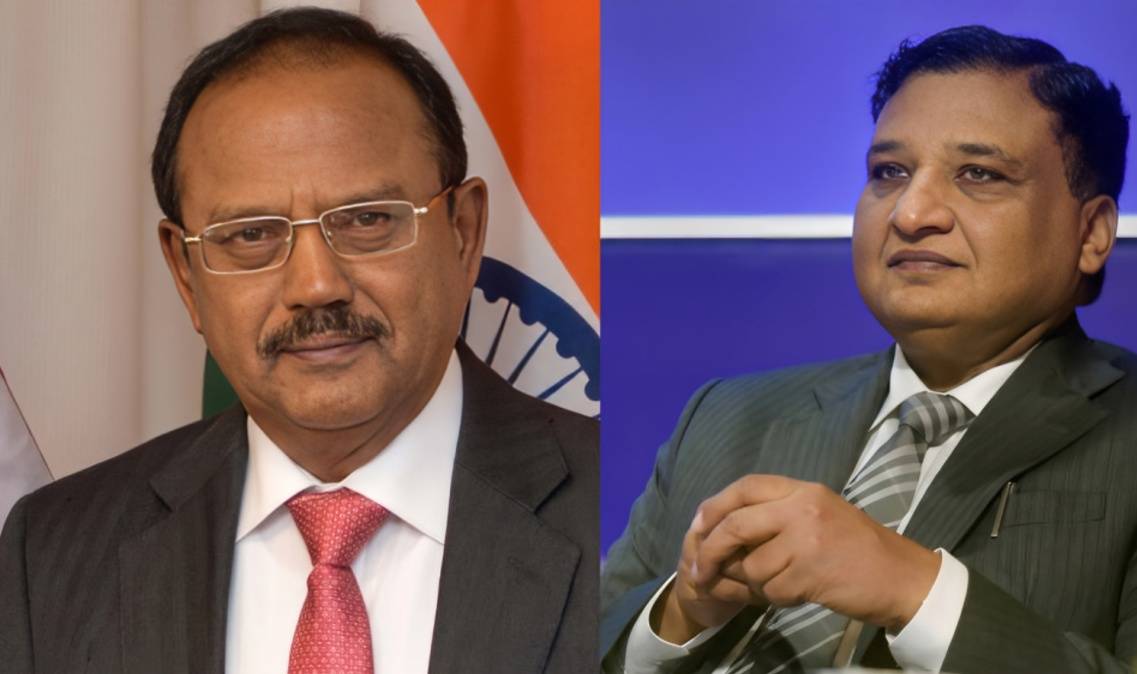
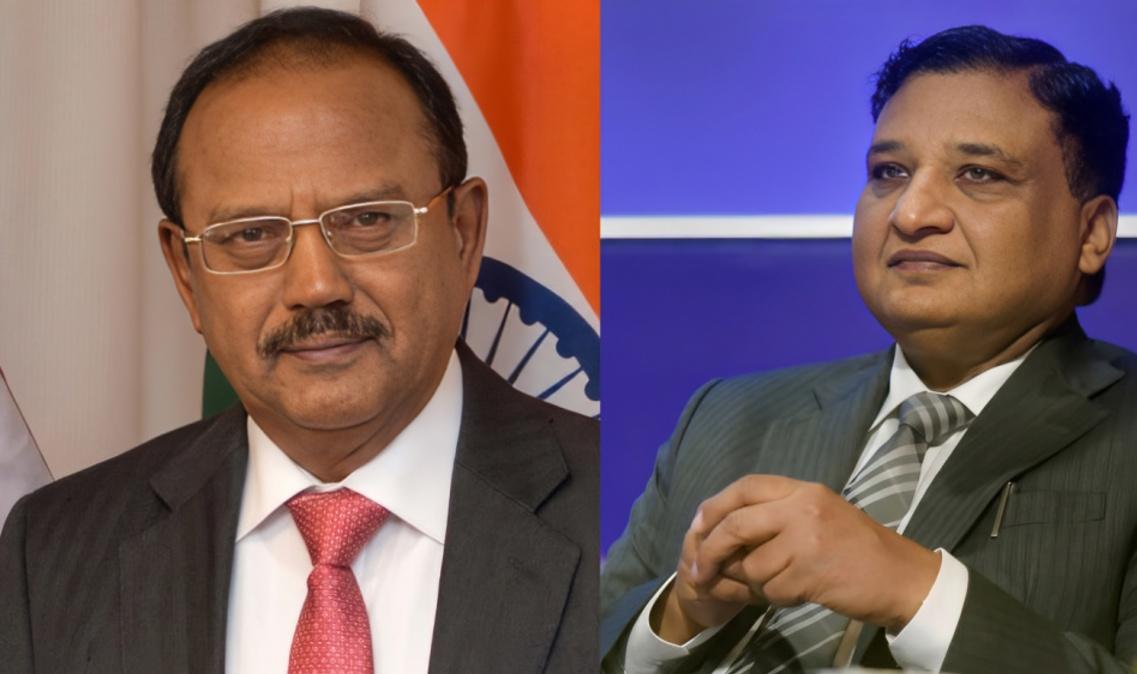
The Ministry of External Affairs has rejected a move by a United States federal court to facilitate the delivery of civil lawsuit summonses to India's National Security Adviser Ajit Doval and former Research and Analysis Wing chief Samant Goel. The Indian government described the legal action as baseless, reiterating its rejection of the allegations raised in the case.
The development relates to a civil lawsuit filed by Gurpatwant Singh Pannun, founder of the pro-Khalistan organisation Sikhs for Justice. The case is being heard by the United States District Court for the Southern District of New York.
Responding to a question about the US court's decision to seek assistance from Delhi courts for delivering the judicial documents, MEA spokesperson Randhir Jaiswal said, "We reject such baseless lawsuits."
The statement reflects India's position on the civil proceedings and the allegations made against its officials.
US Court Seeks Assistance from Three Delhi District Courts
The US district court has authorised an alternative procedure for serving the summonses and accompanying judicial documents on Doval and Goel through the Indian judicial system.
Under the arrangement, three district courts in Delhi have been identified to facilitate the process. The Patiala House District Court has been designated for the documents concerning Ajit Doval, while the Dwarka and Tis Hazari district courts have been identified for Samant Goel.
The US court has directed its clerk to transmit the relevant documents through international mail or courier. The documents include the summonses and other judicial records connected with the civil lawsuit.
The US court has also requested the receiving Indian courts to accept the documents and arrange for their delivery in accordance with the procedures applicable to summonses issued by Indian courts. It has further requested a written record of the steps taken during the service process.
The direction was issued by US District Judge Katherine Polk Failla. The court relied on provisions of the Hague Convention on the Service Abroad of Judicial and Extrajudicial Documents and relevant provisions of India's Code of Civil Procedure.
Why Did the US Court Authorise an Alternative Procedure?
The decision followed unsuccessful attempts to serve the legal documents through India's designated Central Authority under the Hague Convention.
According to reports on the court proceedings, the initial process through the designated authority was rejected. Following this development, the US court considered an alternative method of delivering the summonses through the Indian judicial system.
The court referred to Article 19 of the Hague Convention and provisions of India's Code of Civil Procedure. These provisions were cited as the legal basis for transmitting foreign civil court summonses to the appropriate Indian courts for service.
The court's order requested the assistance of the identified Delhi courts in delivering the documents to the two individuals named in the case. It also asked the receiving courts to provide a written account of the proceedings undertaken to complete the service process.
The order is primarily concerned with the procedural delivery of judicial documents. It should not be interpreted as a judicial finding that the allegations made in the lawsuit are true.
Justia Law+2
Details of the Civil Lawsuit Filed by Gurpatwant Singh Pannun
The lawsuit was filed by Gurpatwant Singh Pannun, who is associated with Sikhs for Justice, an organisation banned in India.
Pannun has alleged that Indian officials were involved in a conspiracy to assassinate him in New York. The civil case reportedly names the Government of India, Ajit Doval, Samant Goel, former RAW officer Vikash Yadav, Indian national Nikhil Gupta and other unidentified individuals as defendants.
The allegations relate to an alleged assassination plot in 2023. Pannun has sought damages through the civil proceedings in the United States.
However, these allegations remain claims made by the plaintiff in the lawsuit. They have not been established as facts through a final judicial finding in this civil case.
India has consistently rejected the accusations. The Ministry of External Affairs has previously described the allegations against senior Indian officials as fabricated and malicious.
The government has also questioned the procedure followed for serving legal documents in India, maintaining that requests for the service of foreign judicial documents should be routed through the country's designated Central Authority, the Ministry of Law and Justice.
The Tribune+2
India's Earlier Response to the Legal Proceedings
The latest rejection by the MEA follows earlier comments from its spokesperson on the same matter.
On November 10, Randhir Jaiswal had criticised the allegations against Indian officials and described the lawsuit as frivolous. He also stated that requests for serving judicial documents in India could only be routed through the designated Central Authority.
The latest US court order has introduced an alternative route by requesting assistance from the district courts in Delhi. This procedural development has brought the issue back into focus and prompted another response from the Indian government.
The MEA's latest statement makes clear that India continues to reject the lawsuit and the allegations associated with it.
Civil Lawsuit Separate from US Criminal Proceedings
The civil lawsuit filed by Pannun should also be distinguished from separate criminal proceedings in the United States involving individuals accused in connection with an alleged murder-for-hire plot.
The civil case names Doval and Goel among its defendants and seeks damages over the allegations raised by Pannun. The separate criminal proceedings involve Indian national Nikhil Gupta and former RAW officer Vikash Yadav.
Although the cases concern allegations connected to the same broader controversy, they are legally distinct proceedings. The US government is not a party to the civil lawsuit filed by Pannun.
Daily Excelsior+2
What Happens Next?
The US court has requested the assistance of the three identified Delhi district courts to facilitate the delivery of the summonses. The receiving courts have been asked to follow the applicable Indian legal procedures and provide a written record of the steps taken.
The development does not amount to a determination of the allegations against Ajit Doval or Samant Goel. It concerns the procedural process of serving judicial documents in an ongoing civil case.
India's Ministry of External Affairs has maintained its position by rejecting the lawsuit as baseless. Further developments will depend on the handling of the documents through the requested judicial process and the subsequent proceedings before the US court.
The issue also highlights the legal and diplomatic complexities involved when foreign courts seek to serve judicial documents on individuals located in another country.