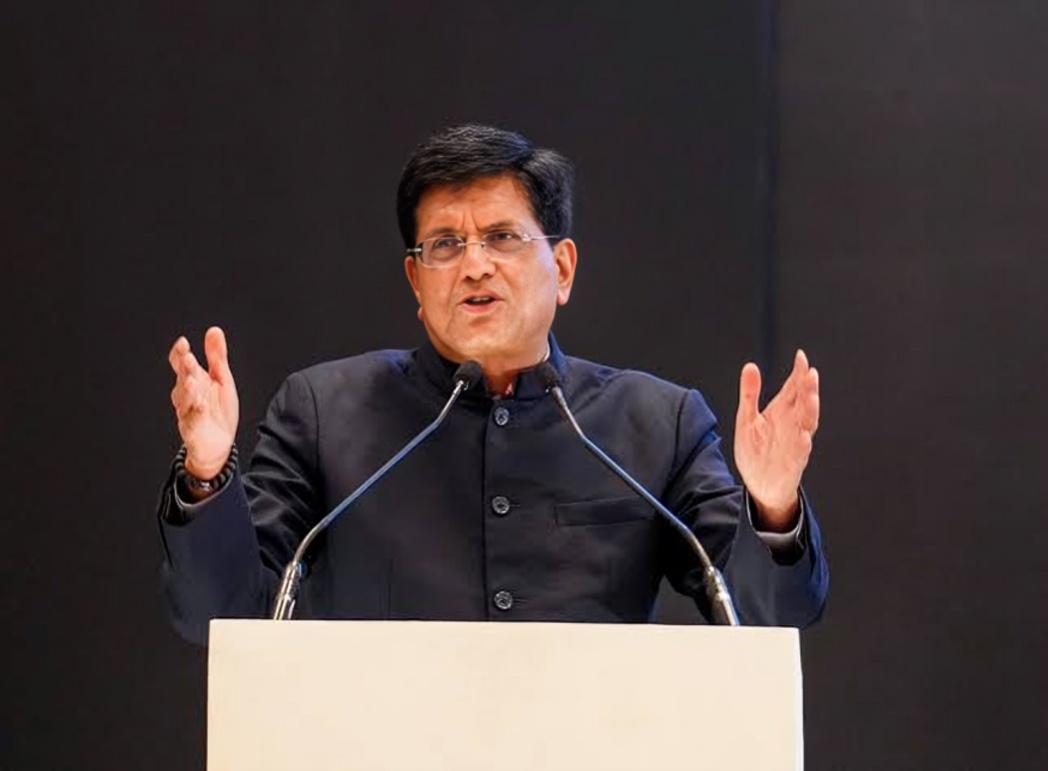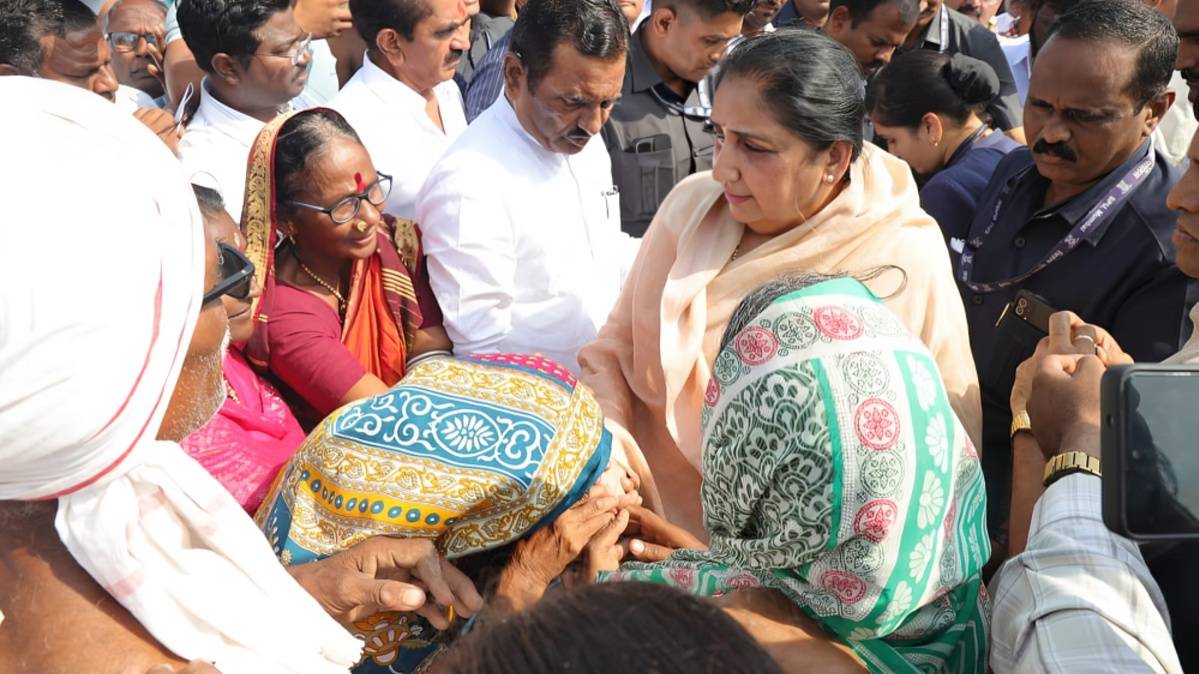
Maharashtra Deputy Chief Minister Sunetra Ajit Pawar has assured residents of drought-affected areas in Nanded district that a shortage of government funds will not prevent or delay essential drought mitigation activities. During a review meeting on Friday, November 20, 2026, she directed district officials to take immediate steps to address drinking water shortages, protect livestock and support farmers facing agricultural difficulties.
The meeting focused on the availability of drinking water, fodder requirements, agricultural conditions and preparations for the coming months. Pawar instructed the administration to prepare an effective contingency plan to ensure that residents do not face unnecessary hardship because of water scarcity.
She also emphasised that all departments must work together to implement relief measures without administrative delays. The government would ensure that financial constraints did not become an obstacle to essential drought-related activities, she said.
Immediate Water Tanker Arrangements for Drought-Affected Villages
Drinking water availability was one of the main issues discussed during the review meeting. Several villages in Nanded district are facing concerns over water availability because of inadequate rainfall.
Sunetra Pawar instructed officials to sanction water tankers immediately wherever drinking water shortages have been reported. The administration was asked to identify villages requiring urgent assistance and ensure that residents receive adequate water supplies.
She also directed the appointment of senior officials as nodal officers for every tehsil. These officers will be responsible for coordinating drought mitigation activities, monitoring local requirements and ensuring that complaints from affected residents receive attention.
Another important instruction was to establish a 24-hour control room to monitor the situation. The facility is expected to help officials coordinate responses to water shortages and other drought-related emergencies.
The objective of these measures is to ensure that people do not have to wait for essential assistance because of delays in communication or administrative procedures.
Government Promises Funds for Drought Mitigation Work
During the meeting, Pawar made it clear that drought-related projects and emergency relief activities should not remain pending because of a lack of funds.
She instructed officials to use the funds available under the District Planning Committee's annual plan in accordance with the government resolution issued on November 19, 2026.
The direction is intended to help district authorities use available financial resources effectively and speed up work in areas experiencing water scarcity.
The Deputy Chief Minister stressed that drought management requires timely decisions and coordinated implementation. Officials were therefore asked to identify urgent requirements and prioritise activities that directly benefit affected communities.
The assurance is particularly important for villages where drinking water arrangements, agricultural support and livestock protection require immediate attention.
The state government has also been reviewing the drought situation across Maharashtra. According to reports published on November 20, two additional talukas were declared drought-affected, taking the total number of affected talukas to 310 out of 358 across the state.
Fodder Crop Seeds to Support Farmers and Livestock
Apart from drinking water, the availability of fodder for livestock was another major concern raised during the meeting.
Drought conditions can affect agricultural production and reduce the availability of green fodder. This can create additional difficulties for farmers who depend on livestock for their livelihood.
To address the possibility of a fodder shortage, Sunetra Pawar directed the administration to distribute fodder crop seeds to farmers who have access to sufficient water for cultivation.
The initiative is intended to encourage farmers to grow fodder crops and improve local availability for cattle and other livestock.
She also stated that the government would purchase the fodder produced by participating farmers at appropriate rates. Officials were instructed to publicise the scheme widely so that eligible farmers could understand the benefits and participate.
The administration has been asked to encourage farmers to take advantage of the initiative rather than wait until fodder shortages become more serious.
The proposed arrangement is expected to support both agricultural households and livestock owners during the difficult period.
Banks Asked to Provide Crop Loans Without CIBIL Restrictions
Access to agricultural credit was another important issue addressed by the Deputy Chief Minister.
Pawar directed banks to provide crop loans to farmers promptly and without insisting on CIBIL credit scores as a condition for processing eligible applications.
The instruction is intended to reduce difficulties faced by farmers who require financial assistance to continue agricultural activities during drought conditions.
She also asked banks not to use coercive methods for recovering loans from farmers.
Timely access to credit can help farmers manage expenses related to seeds, cultivation, agricultural inputs and other essential requirements. The direction is particularly relevant when inadequate rainfall affects crop production and household income.
The Deputy Chief Minister emphasised that farmers should receive appropriate support rather than face additional financial pressure during the drought situation.
Nanded Records Rainfall Deficit
Rainfall figures shared by the district administration highlight the water-related challenges facing Nanded.
According to the available data, Nanded district receives an average annual rainfall of approximately 891.30 millimetres. However, by October 31, 2026, the district had recorded only 596.3 millimetres.
This represents approximately 66.90 per cent of its average annual rainfall.
The rainfall deficit has increased concerns about drinking water availability, agricultural activities and fodder supplies. The administration is therefore focusing on contingency planning and the timely implementation of drought mitigation measures.
The Deputy Chief Minister instructed officials to consider the impact of drought on different sections of society rather than limiting relief activities to agricultural requirements alone.
She specifically highlighted the difficulties faced by farmers, agricultural labourers, women, students and livestock owners.
The administration has been asked to coordinate across departments to minimise the effects of water scarcity on these groups.
Sunetra Pawar Appeals for Responsible Water Usage
Along with directing government officials to speed up relief activities, Pawar appealed to residents to use water carefully and avoid unnecessary wastage.
Responsible water consumption is important during periods of inadequate rainfall, particularly in villages where drinking water supplies are under pressure.
The administration's contingency planning is expected to cover immediate water distribution arrangements as well as the requirements of farmers and livestock owners.
The Deputy Chief Minister stressed that drought management should involve coordinated action by government departments, local officials, farmers and residents.
She also emphasised the need to monitor the situation regularly so that emerging problems can be addressed before they become more serious.
What Happens Next in Nanded?
Following the review meeting, the district administration is expected to focus on implementing the instructions issued by the Deputy Chief Minister.
Immediate priorities include arranging water tankers in villages facing shortages, appointing nodal officers for each tehsil, establishing a 24-hour control room and distributing fodder crop seeds to eligible farmers.
Authorities will also need to coordinate with banks to ensure that farmers can access crop loans without unnecessary restrictions.
The government's assurance that funding will not delay drought mitigation work is an important message for residents and farming communities in Nanded.
However, the effectiveness of these measures will depend on how quickly the instructions are implemented at the village and tehsil levels.
For farmers, the availability of water, fodder, agricultural credit and timely administrative support will remain crucial during the coming months.
The Maharashtra government has stated that it will continue monitoring the drought situation and take necessary steps to minimise the impact on residents, agriculture and livestock.