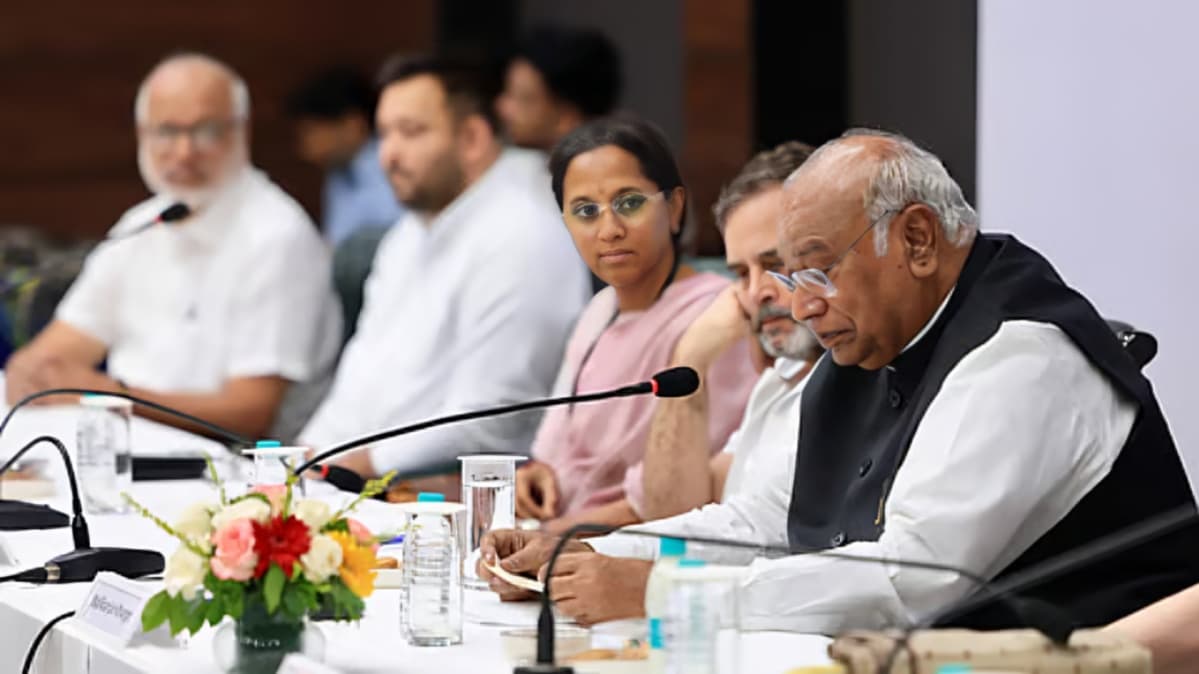
Kharge Levels Six Allegations Against CEC Gyanesh Kumar at INDIA Bloc's Public Impeachment Programme
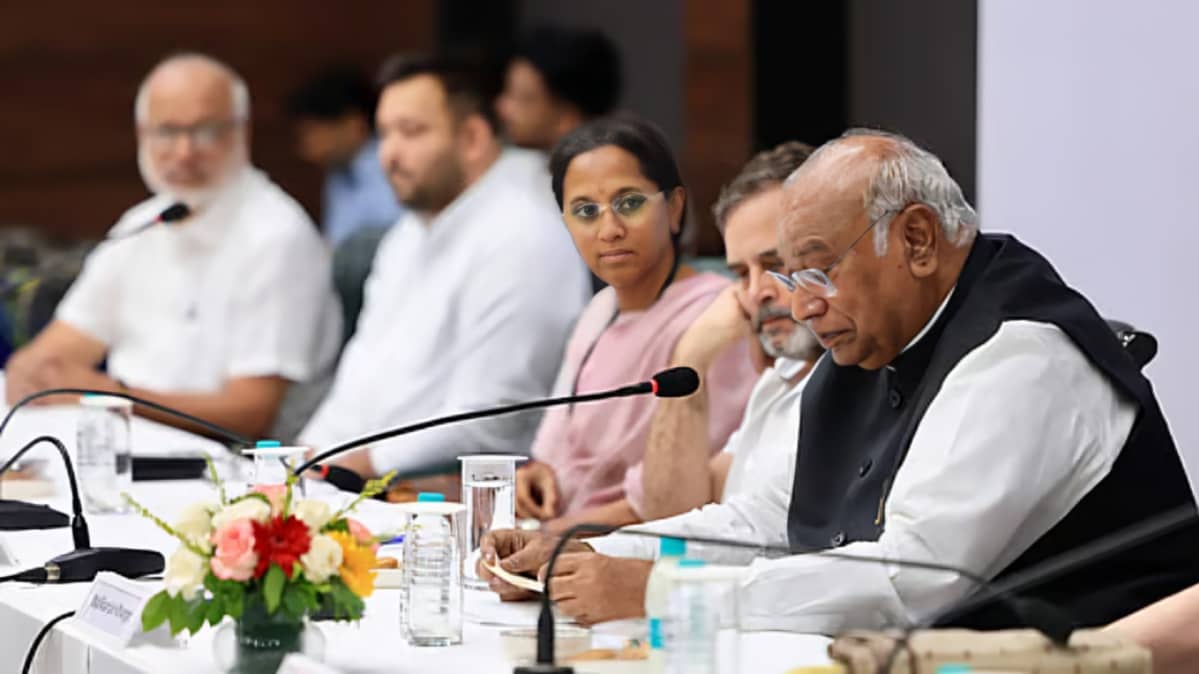
Congress president and Leader of the Opposition in the Rajya Sabha Mallikarjun Kharge has levelled six serious allegations against Chief Election Commissioner Gyanesh Kumar during a symbolic public impeachment programme organised by the INDIA bloc in New Delhi on October 31, 2026.
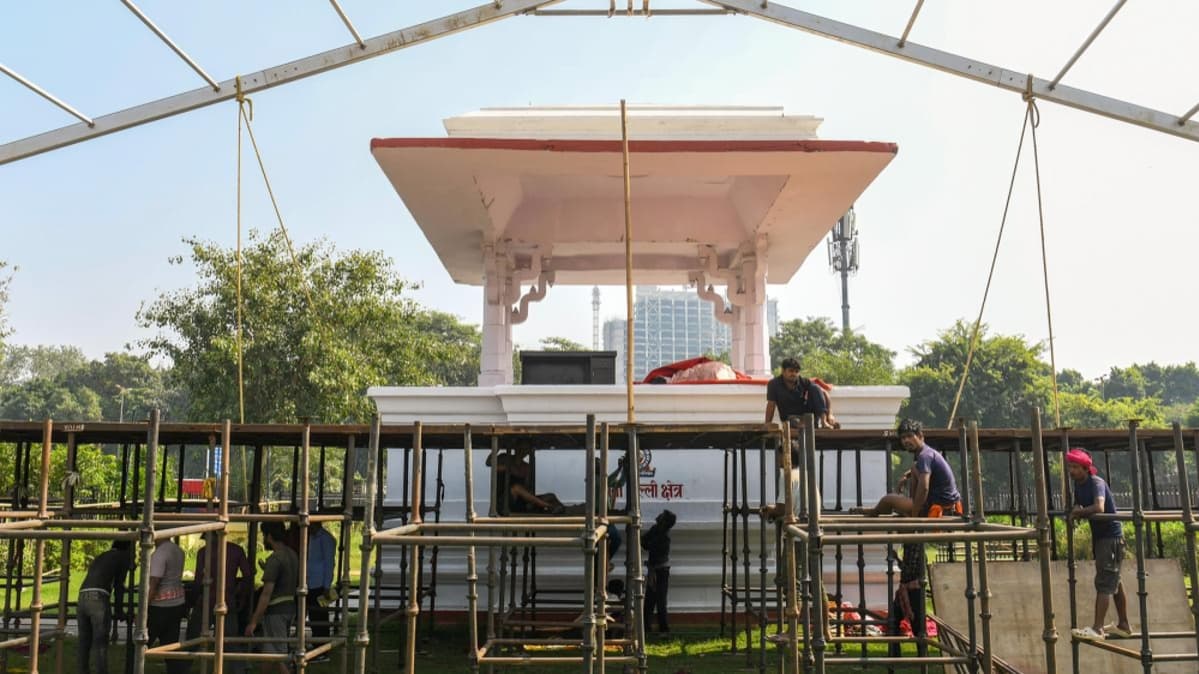
The programme was held at Kharge's official residence after the Opposition alliance faced difficulties obtaining permission to organise the event at other venues. The meeting was originally scheduled for October 30 but was postponed because of rain in the national capital.
During the programme, Kharge accused the Chief Election Commissioner of undermining the independence of the Election Commission and facilitating alleged electoral irregularities. He presented six charges against Kumar and reiterated the Opposition's demand for his resignation.
The allegations mainly concern the Special Intensive Revision of electoral rolls, changes to voter registration procedures, the use of digital systems in election administration and the functioning of the Election Commission.
The INDIA bloc has argued that these issues affect the transparency of elections and the voting rights of citizens. However, the allegations presented by the Opposition are political and legal claims that have not been established as findings against the Chief Election Commissioner.
Six Allegations Presented by Mallikarjun Kharge
During the symbolic proceedings, Kharge listed six allegations against Chief Election Commissioner Gyanesh Kumar. They included the following claims.
1. Alleged conspiracy to manipulate elections
Kharge accused the CEC of conspiring to influence the electoral process. The Opposition alleged that the Election Commission's actions had raised questions about its impartiality and independence.
2. Alleged deletion of 13.2 crore voters
The Congress president raised concerns over the removal of around 13.2 crore names from electoral rolls. The Opposition argued that large-scale deletions could affect eligible voters, particularly people from vulnerable communities, women, migrant workers and economically weaker sections.
The Election Commission has maintained that its voter verification exercise is intended to identify deceased, duplicate, shifted and otherwise ineligible entries. It has also said that genuine voters whose names are missing can seek inclusion through the prescribed procedures.
3. Changes to Form 6
Kharge alleged that Form 6, which is used for applying for inclusion in electoral rolls, was modified without the required approval from Parliament. The Opposition questioned whether the changes followed the applicable legal procedures and whether they could create difficulties for citizens seeking to register as voters.
4. Centralisation of electoral rolls through ECINET
The fourth allegation concerned the use of ECINET, the Election Commission's digital platform. Kharge accused the poll body of centralising the management of electoral rolls through the system. The Opposition raised concerns about transparency, accountability and the role of local electoral registration officials.
5. Exclusion of other Election Commissioners from decisions
The Opposition alleged that the Chief Election Commissioner had taken important decisions without adequately involving the other two Election Commissioners. Kharge argued that the Election Commission should function collectively and that major decisions should follow proper consultation.
6. Alleged political influence
The final allegation was that Kumar was acting at the direction of Prime Minister Narendra Modi and Union Home Minister Amit Shah. Kharge claimed that the CEC's actions raised concerns about political influence over an independent constitutional institution.
The six allegations formed the central part of the INDIA bloc's symbolic proceedings. The CEC has not been found guilty of these allegations through this event, and the claims remain disputed.
Opposition Raises Concerns Over Special Intensive Revision
The Special Intensive Revision, commonly known as SIR, has become one of the major points of disagreement between the Opposition and the Election Commission.
The exercise is intended to verify electoral rolls and identify entries that may no longer be valid. These can include names of deceased voters, people who have permanently shifted their residence, duplicate registrations and other ineligible entries.
However, Opposition parties have questioned the scale and implementation of the exercise. They have argued that eligible voters could lose their place on the electoral rolls if the verification process is not carried out with adequate safeguards.
The controversy has particularly focused on the possible impact on migrant workers, women, elderly people and economically disadvantaged citizens. These groups may face difficulties providing documents or completing verification procedures within the prescribed deadlines.
The Election Commission has defended the exercise, stating that its purpose is to improve the accuracy of electoral rolls. It has said that the removal of invalid entries is part of the process and that eligible voters can apply for inclusion if their names are missing.
Reports have referred to around 13.39 crore electors placed in categories such as absent, shifted, dead and duplicate during the nationwide exercise. This figure refers to the categories identified for verification and should not automatically be treated as the number of eligible voters permanently removed from electoral rolls.
The disagreement over the SIR process has become a major political issue, with the Opposition demanding greater transparency and stronger safeguards.
Why Did the INDIA Bloc Organise a Public Impeachment Programme?
The public impeachment programme was organised as part of the INDIA bloc's campaign against the Chief Election Commissioner. Opposition parties have repeatedly questioned the functioning of the Election Commission and demanded Kumar's resignation.
The alliance had initially planned to hold the programme at other venues in New Delhi, including the Ashok Hotel and Ramlila Maidan. However, permission-related difficulties led the organisers to shift the event to Kharge's official residence at 10 Rajaji Marg.
The programme was chaired by former Lok Sabha Speaker Meira Kumar. Opposition leaders, representatives of civil society and people who claimed to have been affected by the voter-list revision exercise were expected to participate.
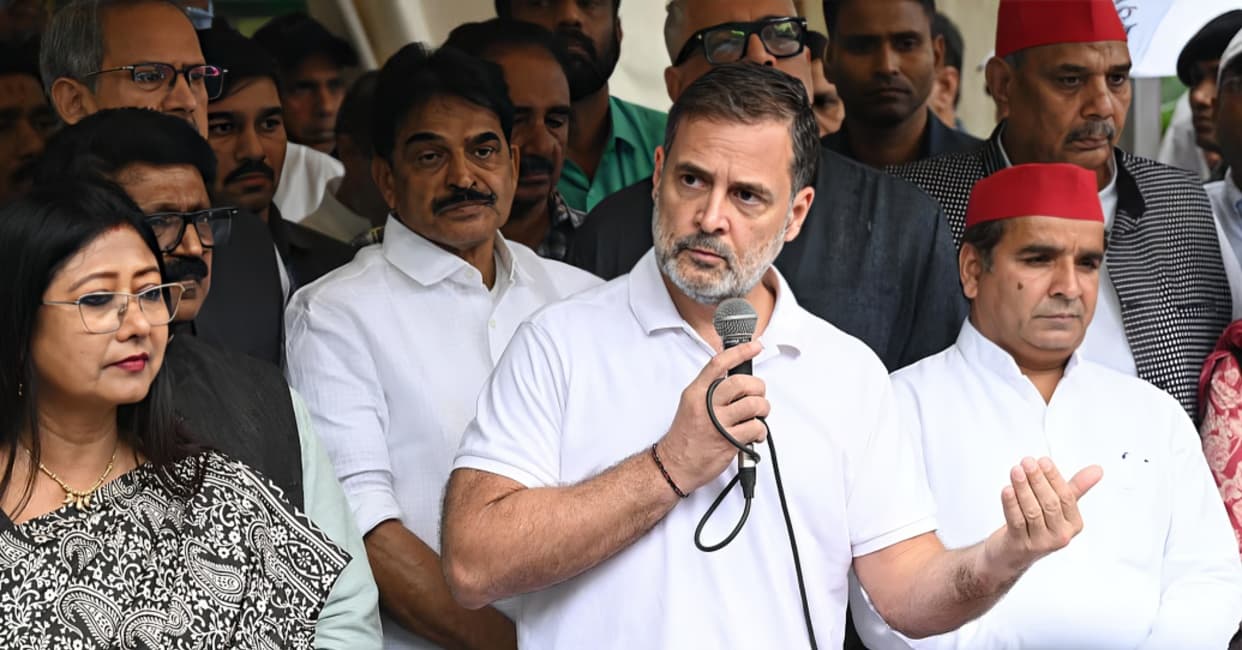
Kharge presented the allegations, while other leaders addressed the gathering. Rahul Gandhi, Leader of the Opposition in the Lok Sabha, was scheduled to deliver the concluding address.
The organisers described the event as a public or symbolic impeachment. It was intended to bring attention to the Opposition's allegations and demonstrate its demand for accountability from the Election Commission.
It is important to distinguish this event from a formal constitutional removal process. A public meeting or symbolic impeachment programme does not itself remove the Chief Election Commissioner from office. The removal of a CEC follows the constitutional procedure applicable to a Supreme Court judge.
Opposition Had Earlier Submitted Removal Notices
The INDIA bloc's latest programme follows earlier efforts by Opposition parties and other groups to seek Kumar's removal.
According to Kharge, 193 Opposition MPs had submitted notices in both Houses of Parliament around seven months earlier, seeking action against the Chief Election Commissioner. He alleged that the notices were rejected without being taken up for discussion.
Separately, a group of former civil servants, diplomats and activists had issued a public impeachment notice in October 2026. The group included former Delhi Lieutenant Governor Najeeb Jung, former Union Home Secretary G K Pillai and activist Yogendra Yadav, among others.
Their notice raised six broad concerns relating to the Election Commission's collective functioning, changes to Form 6, the administration of electoral rolls through digital systems, the SIR exercise, impartiality and alleged breaches of statutory duties.
These developments show that criticism of the CEC is not limited to the INDIA bloc's political leadership. Several former officials and civil society representatives have also raised questions about the poll body's functioning. However, these remain allegations and demands for investigation or removal rather than established findings of misconduct.
Election Commission's Position and the Legal Debate
The Election Commission has maintained that the SIR exercise is intended to ensure accurate electoral rolls and remove invalid entries. The commission's position is that voter verification is necessary to protect the integrity of elections.
The controversy has also reached the Supreme Court. In an earlier case concerning allegations that the CEC took certain decisions without the agreement of the other Election Commissioners, the court declined to pass an interim order suspending Kumar. It issued notice to the Election Commission seeking a response and indicated that it could examine decisions if they were shown to have been taken without the required collective approval.
The legal debate therefore concerns the powers of the Chief Election Commissioner, the collective functioning of the Election Commission and the safeguards governing electoral registration.
The constitutional independence of the Election Commission is important because it is responsible for conducting elections and maintaining public confidence in the democratic process. Any allegation of political influence or improper voter-list management is therefore likely to attract significant public and legal scrutiny.
INDIA Bloc Plans Further Protest Against Alleged Vote Theft
The symbolic public impeachment programme was also part of a wider Opposition campaign against alleged electoral irregularities. The INDIA bloc planned a rally at Delhi's Ramlila Maidan on November 1, 2026, under the slogan Vote Bachao, Desh Bachao.
The rally is expected to focus on the SIR exercise, alleged voter deletions and the demand for Gyanesh Kumar's resignation. Opposition leaders have said that they will continue raising the issue until they receive answers to their concerns.
The BJP and the ruling establishment have rejected the Opposition's political attacks, while the Election Commission has defended its voter verification process.
The latest developments have intensified the debate over electoral transparency, voter rights and the independence of constitutional institutions in India.
The six allegations presented by Kharge are now part of the Opposition's wider campaign. The questions surrounding voter-list revisions, Form 6 and the functioning of the Election Commission are likely to remain important political and legal issues in the coming months. The outcome will depend on further responses from the Election Commission, developments in the courts and any action taken through the constitutional process