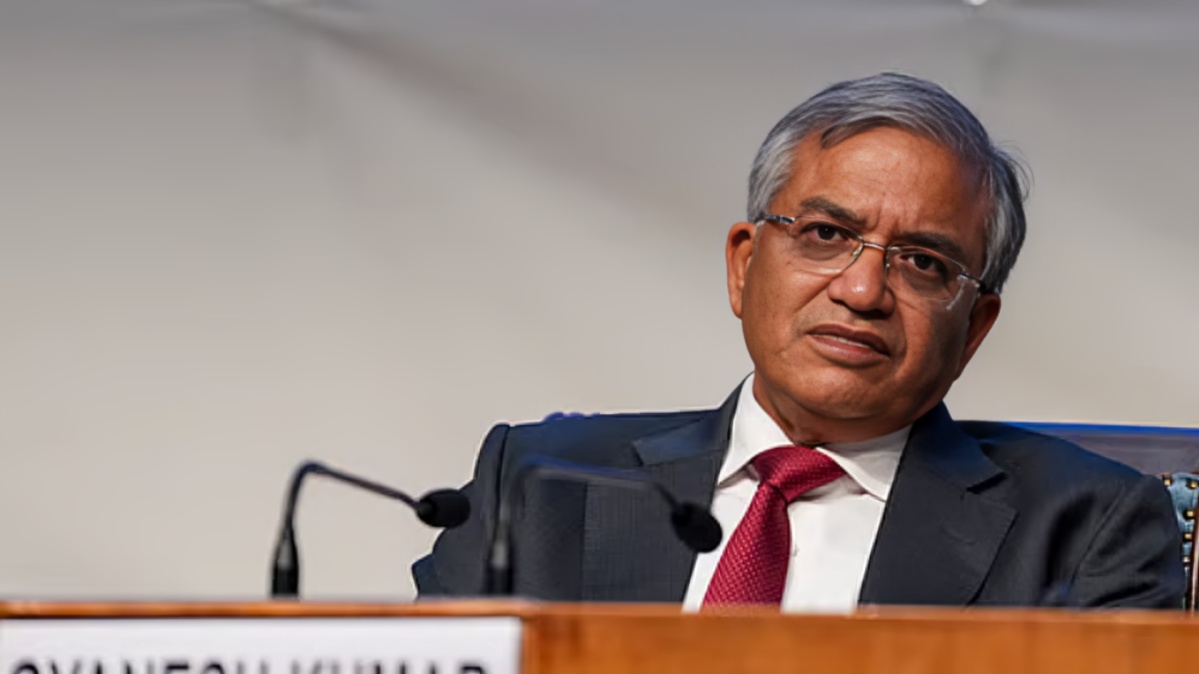
A political dispute over the functioning of the Election Commission of India has intensified following reports of differences among members of the three-member poll panel over the Special Intensive Revision of electoral rolls.
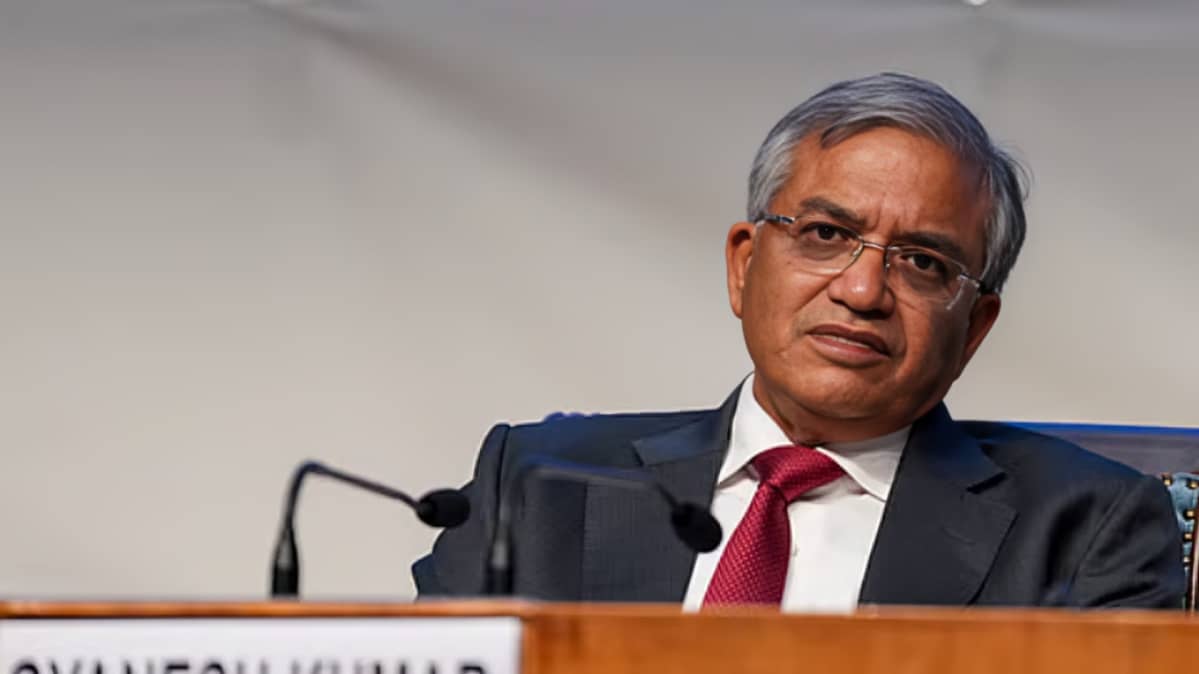
Opposition parties, including the Congress and Samajwadi Party, have stepped up their criticism of Chief Election Commissioner Gyanesh Kumar and demanded accountability over the reported objections raised by Election Commissioners Sukhbir Singh Sandhu and Vivek Joshi.
The controversy followed a report by The Indian Express which stated that the two Election Commissioners had raised written objections on several occasions over a period of about 10 months in connection with decisions and procedures linked to the electoral roll revision exercise. According to reports, the objections covered issues including the handling of electoral roll data, changes related to voter registration and aspects of the Special Intensive Revision process.
The reports have triggered strong reactions from opposition leaders. Several opposition parties have questioned the manner in which decisions were allegedly taken within the Election Commission and have called for greater transparency regarding the internal discussions and records connected with the SIR exercise.
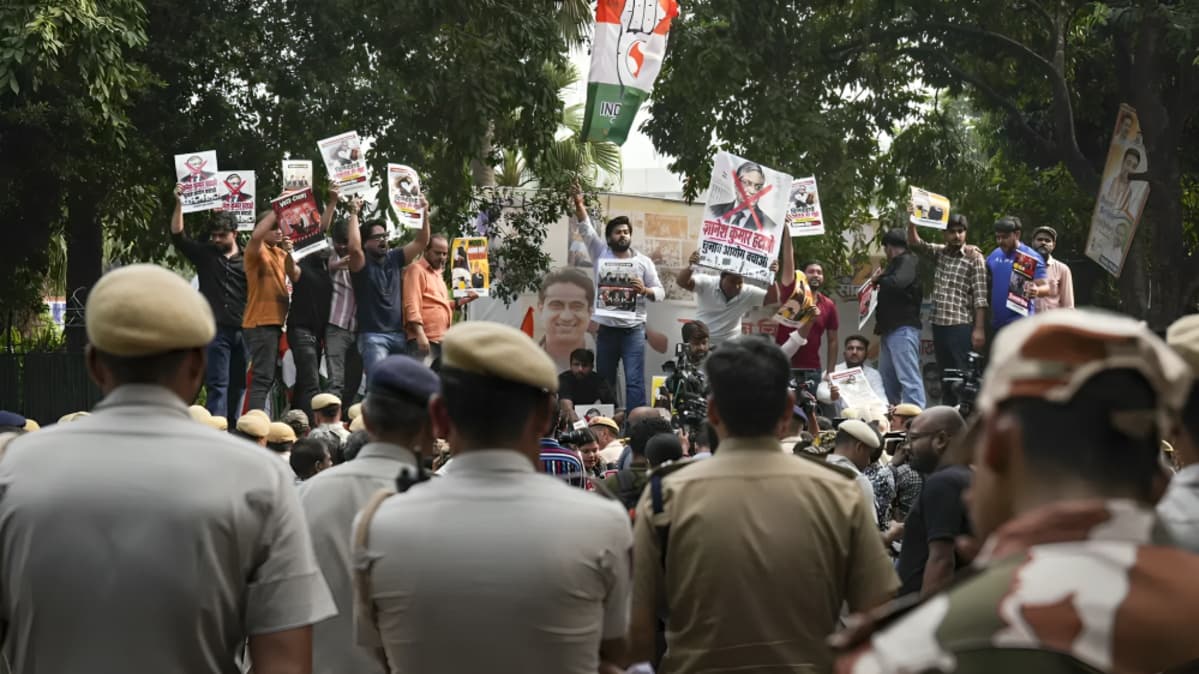
The Congress has demanded action against the Chief Election Commissioner and has questioned the Election Commission's explanation that the reported differences were part of normal internal deliberations. Congress leaders have also sought greater disclosure of official records so that the circumstances surrounding the reported objections can be examined.
The Samajwadi Party has also criticised the functioning of the Election Commission. Party president Akhilesh Yadav has called for the resignation of the Chief Election Commissioner, arguing that reported differences within the constitutional body raise serious questions about the electoral process.
Other opposition parties have also joined the criticism. Leaders from the Rashtriya Janata Dal, Left parties and Shiv Sena Uddhav Balasaheb Thackeray faction have raised concerns about the SIR exercise and the reported differences among Election Commission members. Some opposition leaders have demanded that the revision process be halted or reviewed.
The issue has become particularly important because the Special Intensive Revision is directly connected with electoral rolls. Electoral rolls determine which eligible citizens are included as voters, making the procedures followed during any large-scale revision a matter of public and constitutional importance.
However, the Election Commission has rejected the suggestion that the reported written objections represent a breakdown or division within the constitutional body.
In its response, the Election Commission said that the three-member commission is a multi-member constitutional body and that members are entitled to express different views, observations and technical suggestions during the decision-making process. According to the Commission, such exchanges do not necessarily represent institutional disagreement over the final decision.
The Election Commission has maintained that all final decisions relating to the Special Intensive Revision were taken unanimously. It has also indicated that written notes, suggestions and questions raised during internal deliberations are part of the functioning of a multi-member institution.
The BJP has backed the Election Commission's explanation and rejected the opposition's allegations. BJP leaders have argued that differences expressed during internal discussions should not automatically be interpreted as evidence of institutional failure.
The ruling party has also challenged the opposition to use the constitutional procedure available in Parliament if it believes there are grounds for removing the Chief Election Commissioner. BJP leaders have described the opposition's allegations as politically motivated and without sufficient basis.
Union Minister Chirag Paswan, while responding to the controversy, said that the Election Commission should clearly present its position to the public when questions are raised about its functioning. He stressed that maintaining public confidence in the electoral process is important and that the Commission should address concerns transparently.
The controversy has also expanded beyond the question of internal differences. Opposition parties have connected the issue with their broader criticism of the Special Intensive Revision of electoral rolls. They have raised concerns about voter verification, possible exclusion from electoral rolls and the procedures being followed during the revision.
The Election Commission, on the other hand, has maintained that the SIR process is being conducted within the existing legal framework. It has also argued that the presence of different views during internal deliberations does not mean that the Commission's final decisions were divided.
The reported objections by Election Commissioners Sukhbir Singh Sandhu and Vivek Joshi have nevertheless brought renewed attention to the internal functioning of the Election Commission. The dispute has led to demands from opposition parties for the release of relevant records and greater public disclosure about how important decisions were discussed and finalised.
The matter is also significant because the Election Commission is a constitutional body entrusted with supervising elections in India. Questions concerning its internal decision-making can therefore have wider implications for public confidence in the electoral process.
At present, the allegations made by opposition parties and the Election Commission's response remain sharply different. Opposition leaders argue that the reported objections reveal serious concerns about the way the Commission has handled the SIR process. The Election Commission says that internal differences in views are normal in a multi-member institution and insists that final decisions were unanimous.
The BJP has supported the Commission's explanation and has described the opposition's allegations as false or politically motivated. Opposition parties continue to demand accountability and action against the CEC.
The controversy is therefore centred on two different interpretations of the same internal process. While opposition parties view the reported objections as evidence of serious concerns within the poll panel, the Election Commission characterises them as part of normal institutional deliberations.
Any further legal or parliamentary proceedings could determine how the reported objections and allegations are examined. Until such proceedings establish specific wrongdoing, the claims against the Chief Election Commissioner remain allegations, while the Election Commission's position is that its final decisions were taken collectively and unanimously.