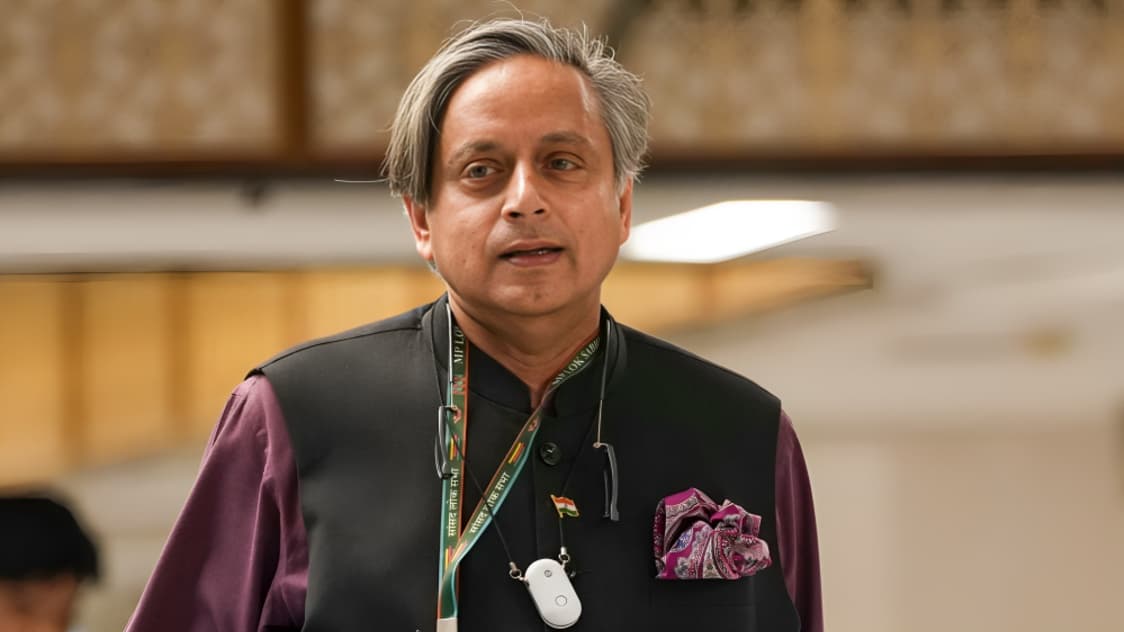
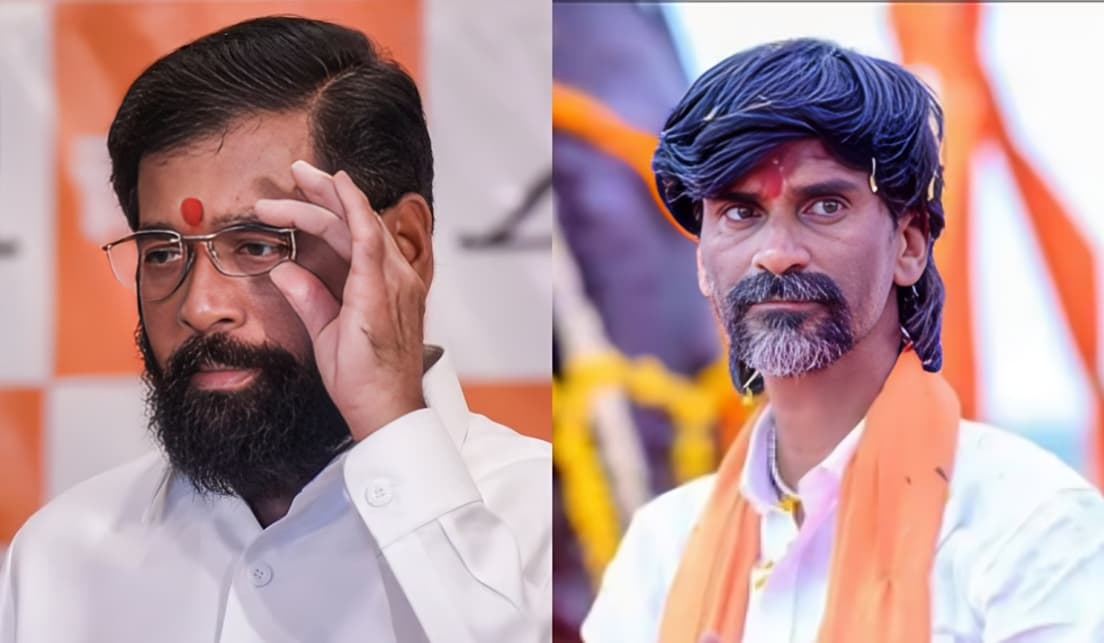
The freedom of speech within the legislative assembly and the broader implications of such restrictions.
Context and Background
Rahul Gandhi has been an outspoken critic of the current government, often highlighting concerns related to crony capitalism and the alleged undue influence of major corporations on public policy. In his parliamentary address, Gandhi aimed to draw attention to what he perceives as favoritism towards certain business magnates, specifically Gautam Adani and Mukesh Ambani. These individuals are often cited by opposition leaders as examples of business interests that have benefitted disproportionately from government policies.
The Incident in Parliament
During his speech, when Rahul Gandhi began to mention Adani and Ambani by name, he was promptly interrupted and prevented from doing so. This intervention led Gandhi to use the pseudonyms A1 and A2 to continue his discourse without breaching parliamentary protocol. This creative workaround allowed him to convey his message while adhering to the rules of the house.
Implications and Reactions
The incident has raised several important questions regarding parliamentary procedures and the limits of free speech within the legislative context. Critics argue that preventing elected representatives from naming individuals in their speeches stifles open and transparent discussion on issues of public interest. They contend that such restrictions can hinder accountability and obscure the scrutiny of powerful entities.
On the other hand, proponents of the intervention may argue that it helps maintain decorum and prevents the misuse of parliamentary privileges to target individuals without substantive evidence. They might assert that discussions should focus on policies and systems rather than on personal attacks.
Political and Public Response
Rahul Gandhi's decision to use A1 and A2 instead of Adani and Ambani has been met with mixed reactions. Supporters of Gandhi view it as a clever and principled stand against what they see as censorship and an attempt to highlight the influence of big businesses on governance. They believe this incident underscores the need for greater transparency and accountability.
Conversely, critics of Gandhi may see this as a publicity stunt or an attempt to draw attention away from more pressing issues. They argue that the focus should be on constructive debate and policy solutions rather than on naming and shaming individuals.
Conclusion
The episode involving Rahul Gandhi's speech in parliament and the use of A1 and A2 as stand-ins for Adani and Ambani underscores the complexities of political discourse in India. It highlights the tension between maintaining parliamentary decorum and ensuring the freedom of speech for elected representatives. As this debate continues, it raises broader questions about transparency, accountability, and the role of major corporations in shaping public policy.