In a significant political development, seven Rajya Sabha Members of Parliament from the Aam Aadmi Party have resigned from the party and joined the Bharatiya Janata Party. The move has triggered strong reactions across the political spectrum, with leaders from both sides expressing contrasting views on the situation.
Among the prominent leaders involved is Raghav Chadha, along with several other MPs who cited concerns over the party’s direction and functioning. In their statements, the leaders indicated that the Aam Aadmi Party had deviated from its founding principles, which influenced their decision to leave and join another political platform.
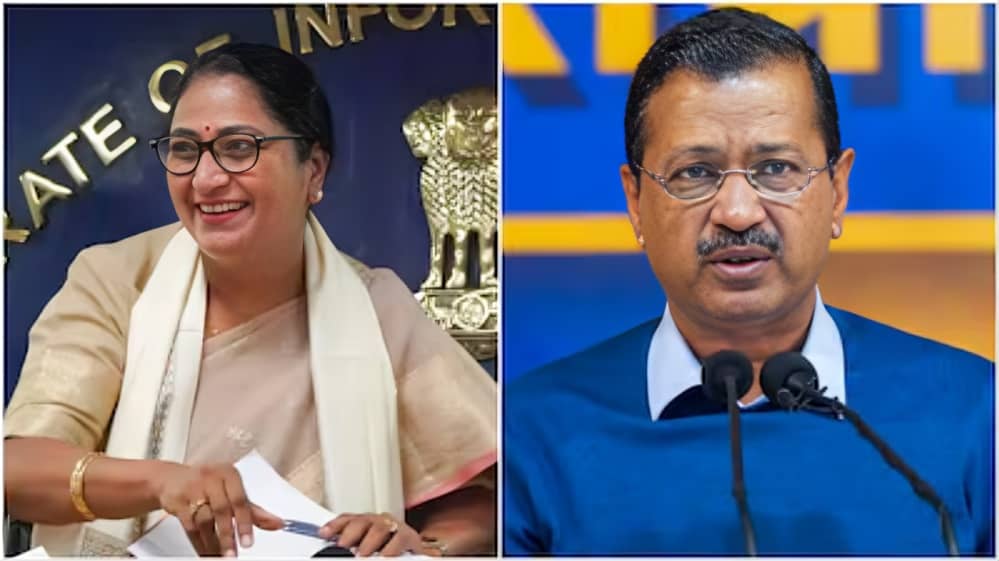
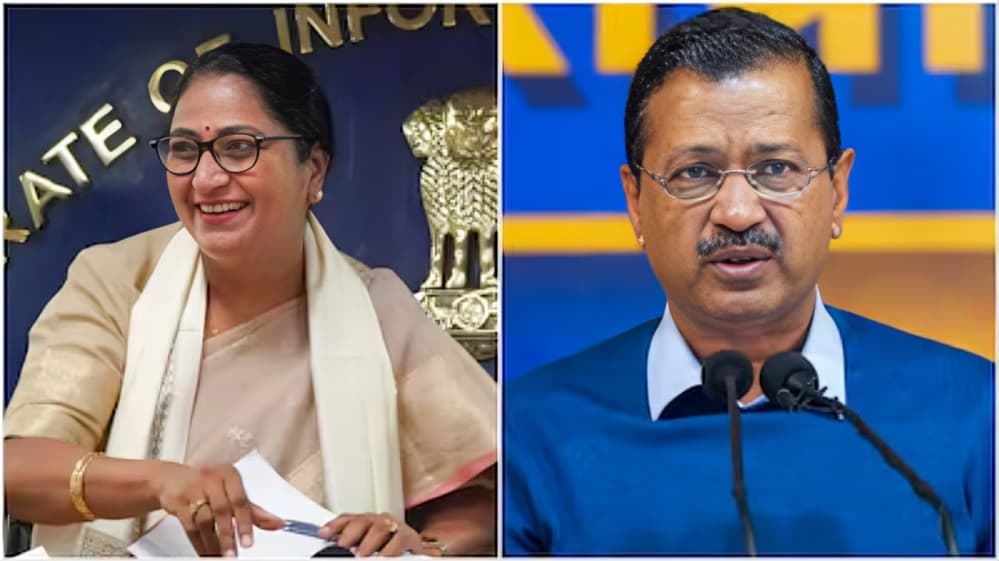
Reacting to the development, Rekha Gupta described the resignations as a major setback for the leadership of Arvind Kejriwal. She stated that the departure of multiple senior members reflects internal dissatisfaction within the party and raises questions about its leadership and governance approach. Her remarks have added to the ongoing political debate surrounding the issue.
On the other hand, the Aam Aadmi Party has strongly criticized the move, calling it a betrayal of the trust placed in the MPs by the party and its supporters. Party leaders have alleged that the Bharatiya Janata Party played a role in orchestrating the split, a claim that has been denied by BJP representatives. The allegations and counter statements have further intensified political tensions between the two parties.
The resignations are expected to have an impact on the party’s strength in the Rajya Sabha, potentially altering the balance of power in the Upper House. Political analysts believe that such shifts can influence legislative proceedings, especially when it comes to passing key bills and policies. The development is also being closely watched for its potential impact on future political alignments and electoral strategies.
The anti defection law may come into focus as the matter progresses, depending on how the resignations and subsequent actions are handled. Legal experts suggest that any challenges or petitions related to the issue would be addressed through established parliamentary and judicial processes.
Meanwhile, efforts are likely to be made by the Aam Aadmi Party to maintain unity within its ranks and prevent further defections. Party leaders are expected to engage with members and supporters to reinforce confidence and clarify their position on the issue.
The Bharatiya Janata Party, on its part, has welcomed the new members and expressed confidence that their experience will contribute to the party’s growth and effectiveness in Parliament. The inclusion of experienced parliamentarians is seen as strengthening the party’s presence in national politics.
As the situation continues to evolve, it highlights the dynamic nature of Indian politics, where shifts in party affiliations can have far reaching implications. The coming days will be crucial in determining how this development shapes the political landscape and influences the functioning of Parliament.