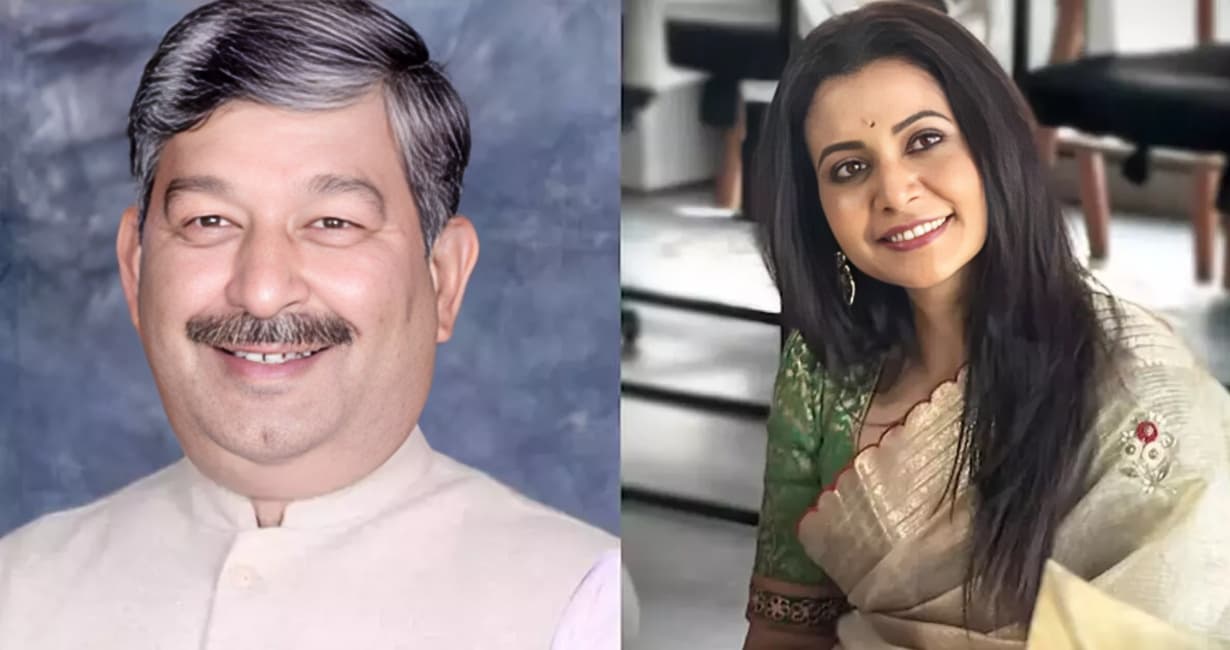
A political storm erupted in the Rajya Sabha as the Bharatiya Janata Party (BJP) and Congress clashed over MP Suman’s remarks on the legendary Rajput ruler Rana Sanga. The remarks, made during a parliamentary discussion, triggered a heated debate, with BJP leaders accusing Suman of distorting history and disrespecting a revered figure.
Suman’s statement reportedly questioned certain aspects of Rana Sanga’s rule, leading to strong objections from BJP members, who claimed that the remarks undermined the Rajput warrior’s legacy. BJP leaders demanded an immediate clarification and an apology, stating that historical figures should be respected and their contributions acknowledged accurately.
The Congress, on the other hand, defended Suman, arguing that historical interpretations can vary and should be open to discussion. Party representatives accused the BJP of using history as a political tool to stir controversy. They maintained that academic debates on historical figures should not be politicized and that free speech in Parliament must be upheld.
The issue soon escalated, with members from both sides engaging in heated arguments. Rajya Sabha proceedings were briefly disrupted as leaders from both parties raised slogans and countered each other’s statements. The Speaker had to intervene to restore order, urging members to maintain decorum and focus on constructive discussions.
Political analysts believe that this incident reflects the larger trend of historical narratives being used as a battleground for political debates. With elections approaching, both parties are keen on appealing to different voter bases by taking strong stances on cultural and historical issues.
The controversy surrounding Suman’s remarks is expected to continue, with both BJP and Congress standing firm on their positions. Whether an official apology or further clarification will be issued remains uncertain. However, this episode has once again highlighted the sensitivity of historical discourse in India’s political landscape.