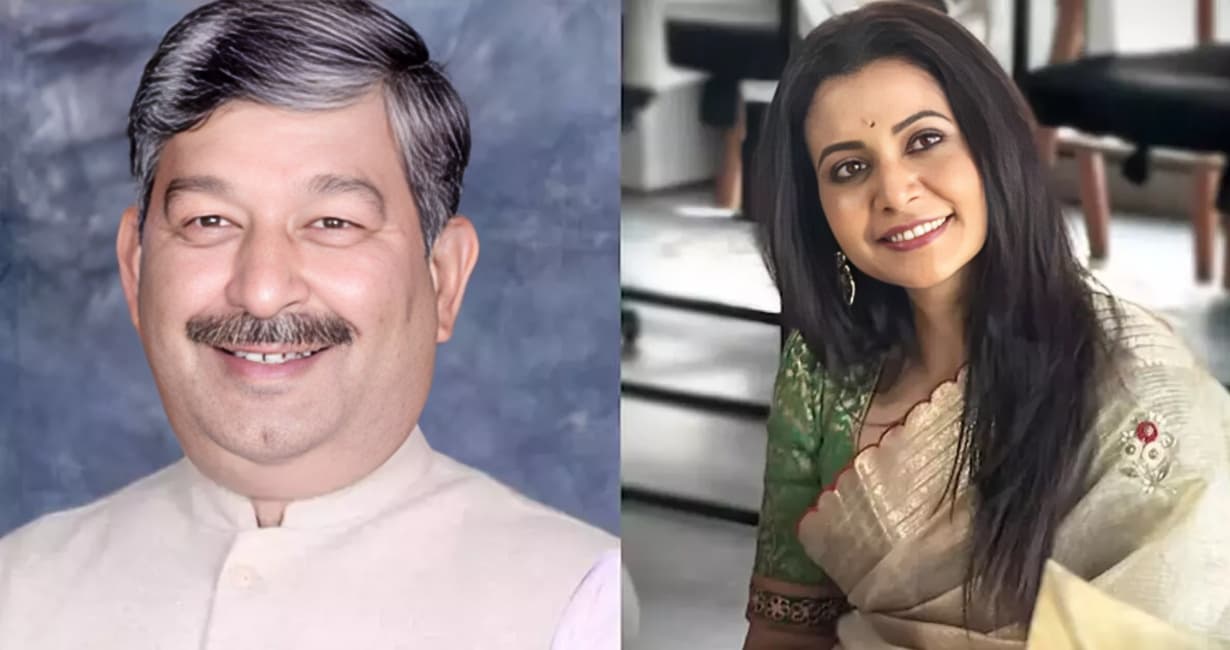
The Indian National Congress on Thursday announced six candidates for the upcoming Rajya Sabha biennial elections scheduled for March 16. The elections will be held to fill 37 seats across ten states, marking a significant phase in the parliamentary calendar.
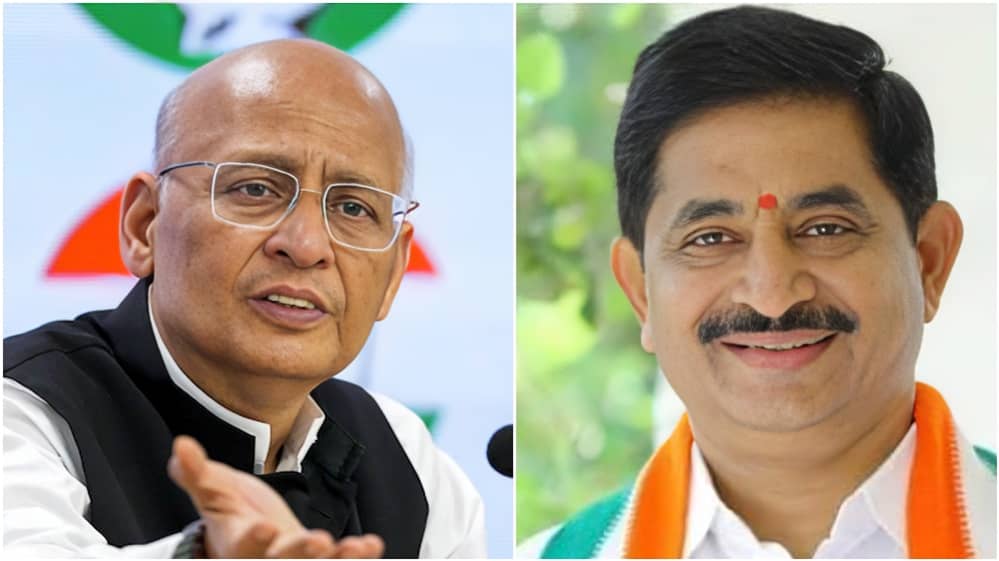
Among the prominent names announced is senior Congress leader Abhishek Manu Singhvi, who has been renominated from Telangana. Singhvi, a senior advocate and experienced parliamentarian, has previously represented the party in the Upper House and has been active in legislative debates and legal matters. His renomination reflects the party’s continued reliance on experienced leaders in Parliament.
The Rajya Sabha, the Upper House of Parliament, holds biennial elections every two years to fill seats vacated by members completing their six year terms. Members of the Rajya Sabha are elected by elected representatives of state legislative assemblies through a proportional representation system. As a result, the strength of political parties in state assemblies plays a crucial role in determining the outcome of these elections.
The Congress party’s announcement signals the beginning of its formal preparations for the biennial polls. Party leaders stated that the selection of candidates was made after internal consultations and consideration of representation from different states. The nominations are seen as part of a broader strategy to strengthen the party’s voice in Parliament.
Political analysts note that Rajya Sabha elections often reflect current political alignments at the state level. Since the voting is conducted by state legislators, outcomes depend on the numerical strength of parties and alliances in respective assemblies. In states where the Congress holds significant representation or is part of the ruling coalition, the party is expected to have stronger prospects.
The upcoming elections across ten states are being closely watched, as changes in Rajya Sabha composition can influence legislative debates and the passage of key bills. While the Rajya Sabha does not determine the formation of the central government, it plays an important role in reviewing legislation and representing the interests of states at the national level.
For the Congress, the biennial polls provide an opportunity to reinforce its parliamentary presence and maintain experienced leadership in the Upper House. Leaders within the party have indicated that strengthening coordination between state units and the central leadership remains a priority during the electoral process.
With nominations now announced, attention will turn to the filing of papers, scrutiny and, where necessary, voting on March 16. The results will shape the balance of representation in the Rajya Sabha for the coming term. As parties across the political spectrum finalise their candidates, the biennial elections are set to become a key political event in the national calendar.