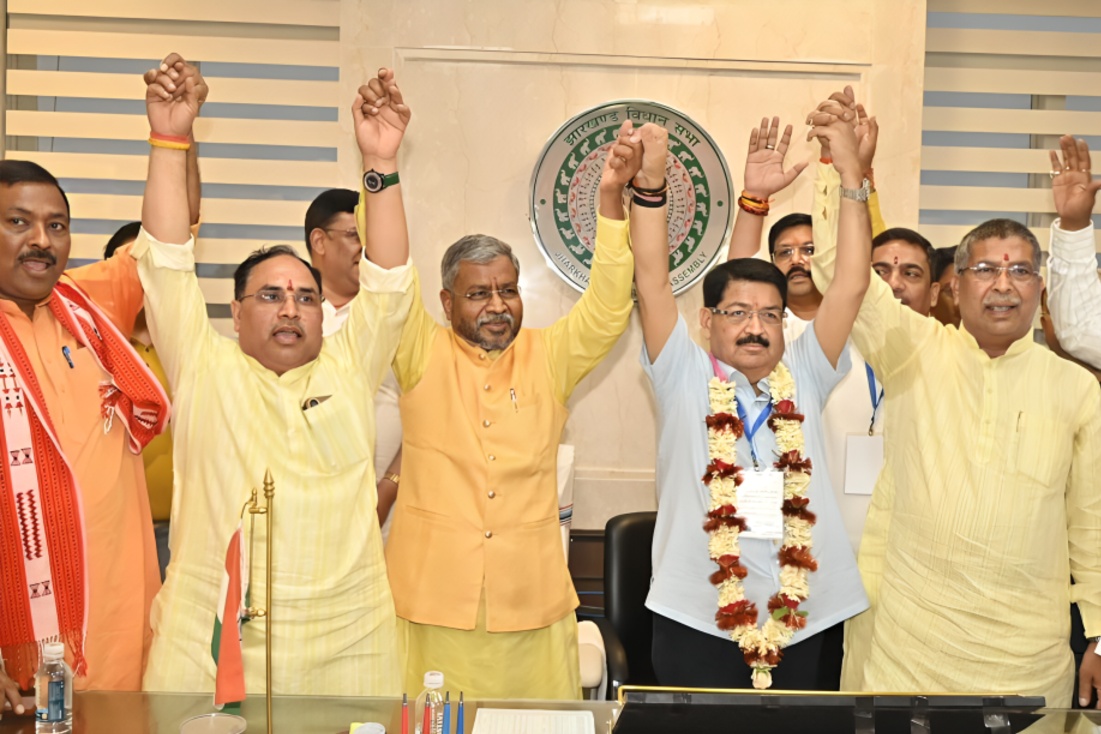
The Congress party has expressed concern over the outcome of the recent Rajya Sabha election in Jharkhand, where its candidate Pranav Jha was defeated despite the party's expectation of receiving support from members of the ruling alliance.
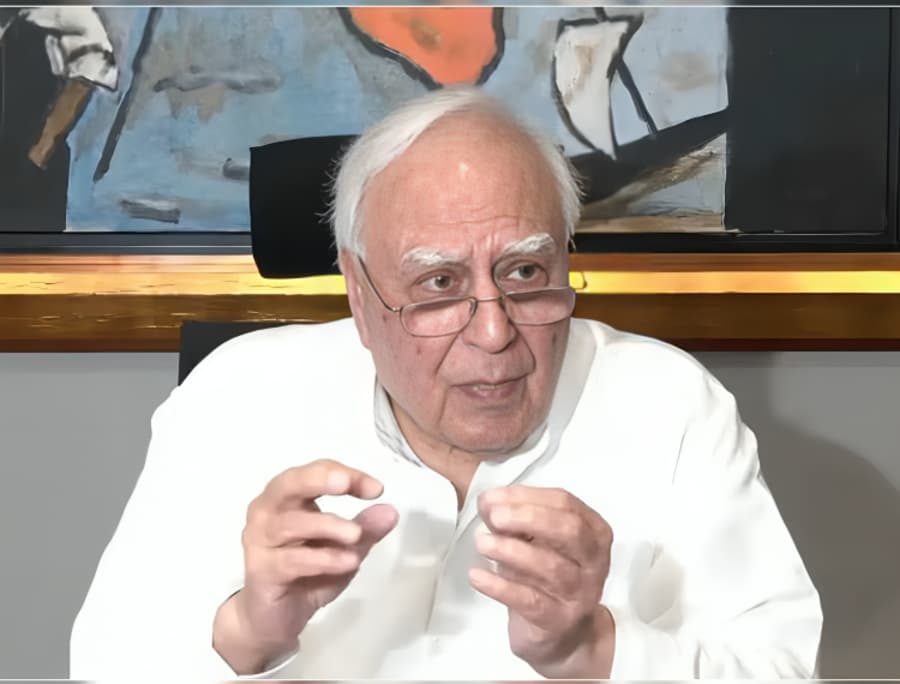
Following the election result, Jharkhand Congress President Rajesh Thakur stated that the party would carefully review the circumstances surrounding the voting process. Speaking to the media, Thakur said the outcome had raised important questions regarding support from alliance partners and required a detailed assessment.
According to Thakur, the Congress and its allies had sufficient numbers on paper to support the party's candidate. He explained that the alliance's combined strength included legislators from Congress, the Jharkhand Mukti Morcha, the Rashtriya Janata Dal, and the Communist Party of India Marxist Leninist Liberation.
Thakur noted that the Congress had expected a specific number of votes based on the alliance's legislative strength. However, the final count did not match those expectations. He stated that while the alliance had enough votes to make the contest competitive, the result suggested that some expected votes may not have been cast in favor of the Congress candidate.
The Jharkhand Congress chief said the party would conduct a thorough analysis of the voting pattern before drawing any conclusions. He emphasized that the issue would be discussed within the party organization as well as with alliance partners. According to him, maintaining trust and coordination among coalition members is essential for the effective functioning of any political alliance.
Thakur described the development as a matter that deserved serious attention, adding that the Congress would seek clarity regarding the reasons behind the discrepancy between the expected and actual vote count. He stressed that the party would approach the matter through discussions and internal consultations rather than making immediate allegations.
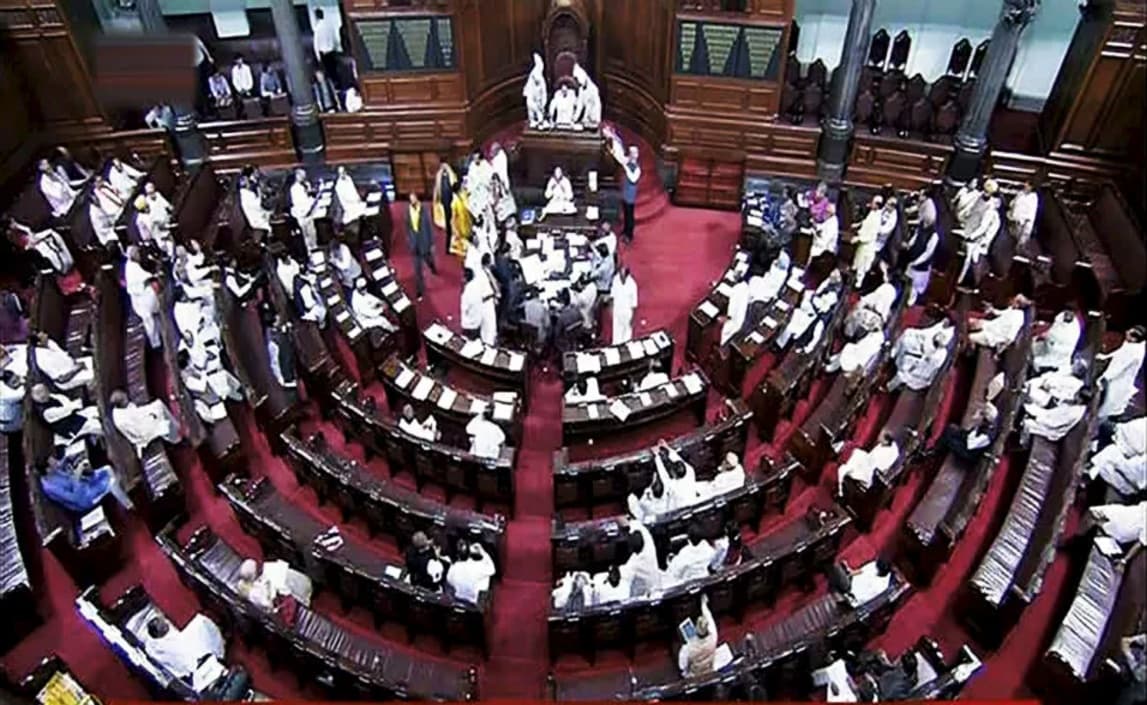
The Rajya Sabha election in Jharkhand attracted considerable political attention because of the complex arithmetic involved in securing support from multiple parties. Such elections often depend on coalition discipline and coordinated voting among alliance members. Any variation in voting patterns can significantly influence the final outcome.
Political observers noted that Rajya Sabha contests frequently become a test of alliance cohesion, especially in states where multiple parties share power or cooperate politically. The latest result has therefore prompted discussions about the dynamics within the ruling coalition in Jharkhand.
While Congress leaders have voiced concerns about the outcome, there has been no official confirmation regarding which votes may have been missing or whether any alliance partner deviated from the expected voting pattern. Party leaders have indicated that they will await a detailed review before taking any further steps.
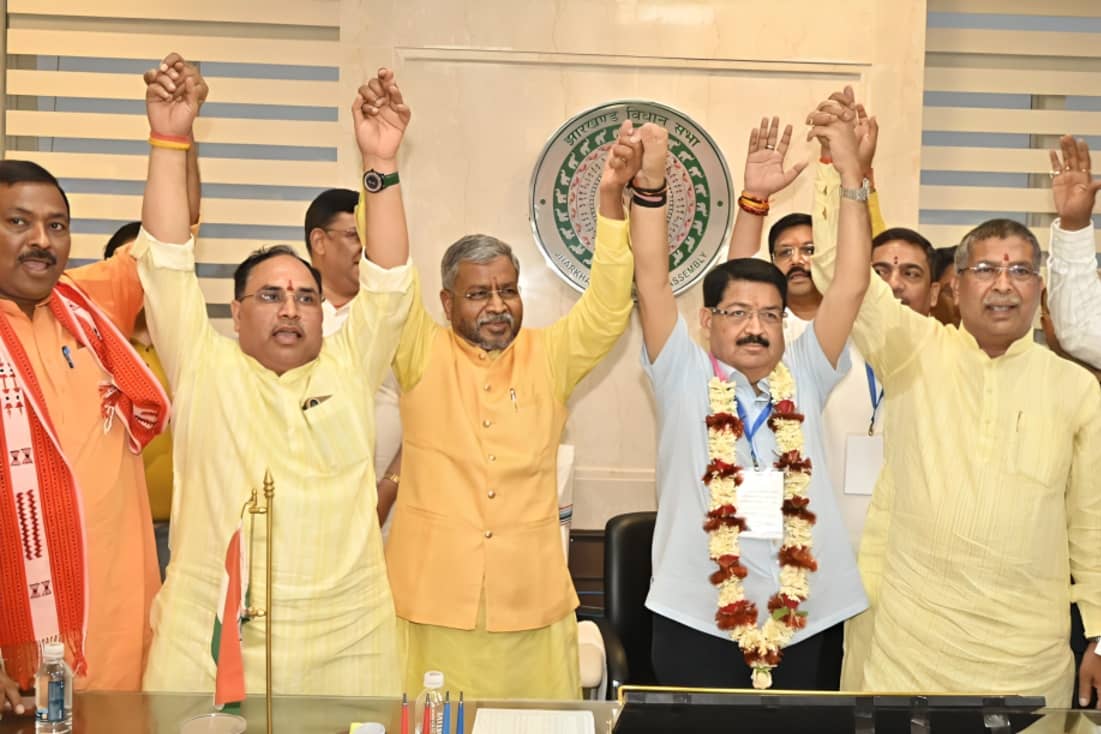
The defeat of Pranav Jha has added a new dimension to political discussions in Jharkhand, with attention now focused on how the Congress and its allies address the concerns raised after the election. The party's leadership is expected to examine the voting data and hold consultations in the coming days to assess the situation and strengthen coordination within the alliance.