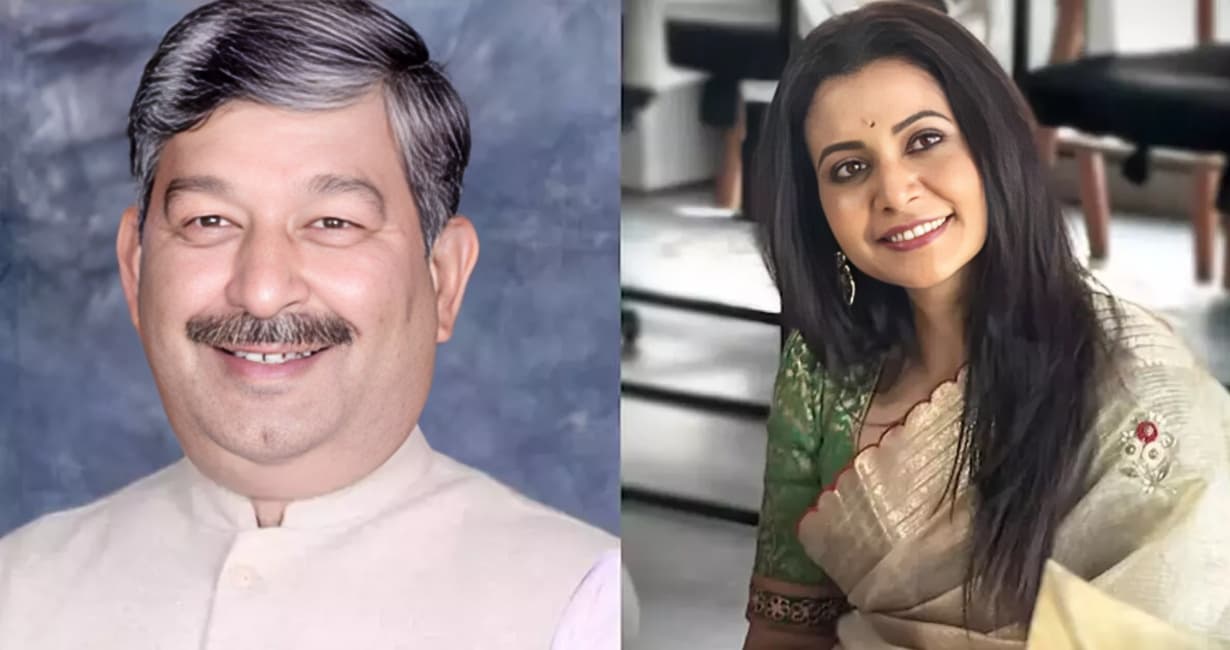
Congress Rajya Sabha MP and senior advocate Abhishek Manu Singhvi on Tuesday raised concerns in Parliament regarding the India–US trade deal recently announced by US President Donald Trump. Singhvi questioned why a foreign leader was publicly disclosing details of a trade agreement that directly affects India’s industries, farmers, and exporters, rather than such announcements being formally made by the Indian government.
According to Singhvi, the trade deal reportedly reduces tariffs on Indian goods to 18 per cent, but details of the agreement were not shared in Parliament. He expressed concern over the lack of prior consultation and transparency in trade negotiations that could have significant implications for the domestic economy.
The Congress leader emphasised that international trade agreements should be communicated first and clearly by India’s own authorities to maintain national sovereignty and credibility. He warned that announcements made by foreign leaders could create confusion, misrepresent India’s position, or signal a lack of control over critical economic decisions.
Singhvi highlighted that trade agreements with countries such as the United States have far-reaching effects on agriculture, manufacturing, and exports. Without proper parliamentary scrutiny and stakeholder consultation, he said, such deals could negatively impact domestic producers and workers.
The MP urged the government to clarify the terms of the deal and outline measures to protect Indian interests. He also called for a discussion in Parliament to ensure lawmakers are informed and can assess the potential economic consequences before further commitments are made.
Opposition leaders, including Singhvi, have increasingly voiced concerns over the transparency of the government’s trade policy. In recent years, international trade agreements have become politically sensitive, with domestic industries and farmers closely monitoring how tariff reductions, import regulations, and bilateral commitments might affect production and revenue.
Government officials maintain that trade negotiations with global partners are conducted in India’s national interest and are aimed at boosting exports, attracting investment, and strengthening bilateral relationships. However, opposition parties insist that Parliament must be fully briefed and involved in discussions before international announcements are made, as this ensures accountability and protects domestic economic priorities.
Analysts note that India’s trade relationship with the United States is significant, particularly for sectors such as textiles, pharmaceuticals, and information technology. Any tariff adjustments or trade facilitation measures will have both immediate and long-term impacts on these industries.
In summary, Abhishek Manu Singhvi’s intervention underscores the need for transparency, parliamentary oversight, and proactive communication when international trade agreements are negotiated. The debate highlights the delicate balance between engaging with global partners and protecting domestic economic interests, and the role of elected representatives in ensuring accountability in major economic decisions.