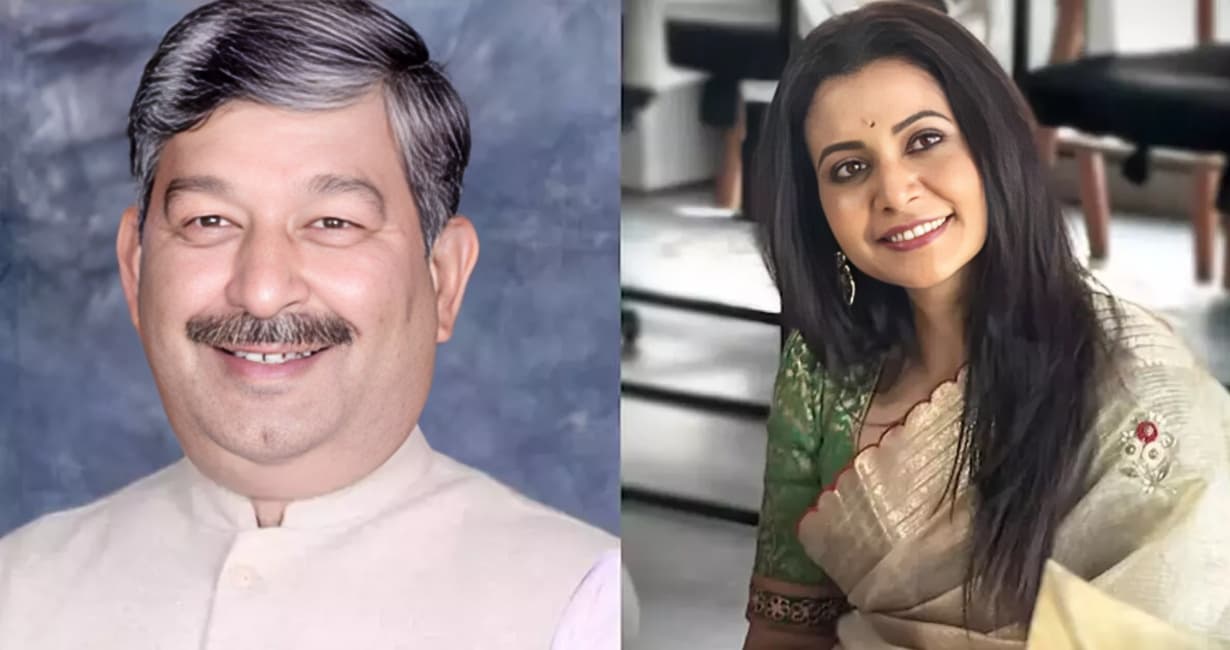
In a notable incident reflecting the ongoing language debate in Indian politics, DMK Rajya Sabha MP has responded to a letter from a Union minister by stating, "I don’t know Hindi." The MP chose to communicate his response in Tamil, underscoring the significance of regional languages in the political landscape of India.
1. The Exchange of Letters
The Union minister had addressed the DMK MP in Hindi, prompting the MP's response in Tamil. This exchange has sparked discussions about the linguistic diversity in India and the importance of accommodating regional languages in official communication. The MP's reaction serves as a reminder of the need for inclusivity in governance.
2. Emphasis on Regional Languages
By responding in Tamil, the DMK MP has highlighted the importance of preserving and promoting regional languages within the political framework. This move resonates with many constituents in Tamil Nadu, where Tamil is the primary language. The MP's stance is likely to bolster the party's commitment to advocating for linguistic rights and representation.
3. Political Implications
The incident has broader political implications, especially in a country as diverse as India, where language can often be a contentious issue. The DMK's response may resonate with voters who feel that their linguistic identity is not adequately represented at the national level. This could influence public perception and political strategies as elections approach.
4. Reactions from Various Quarters
The DMK MP's response has garnered attention from various political factions, with supporters praising the move as a courageous stand for linguistic rights. Conversely, critics may view it as a politicization of language issues, potentially leading to further polarization among parties.
5. Conclusion
As the debate over language in Indian politics continues, this incident underscores the complexities of communication in a multilingual society. The DMK MP's response serves as a reminder that regional languages play a crucial role in the political narrative, and the significance of acknowledging linguistic diversity cannot be overstated. As political leaders navigate these issues, the need for sensitivity and inclusivity remains paramount in fostering unity in India's diverse landscape.