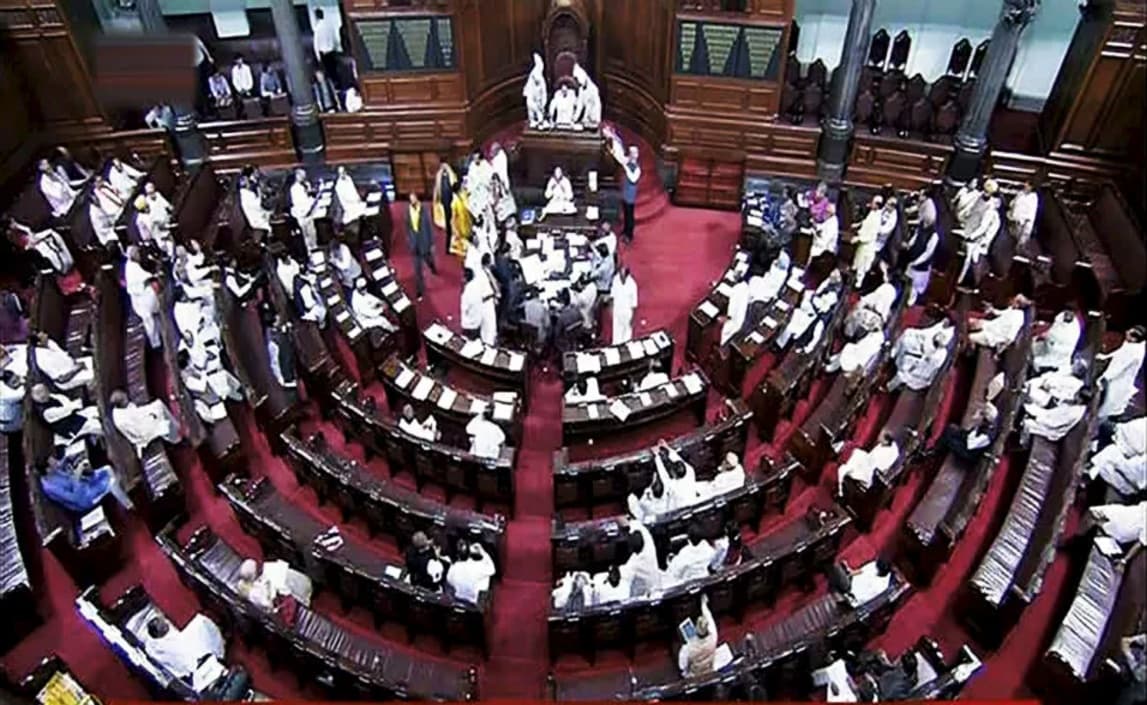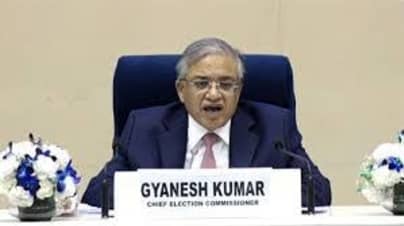

The Election Commission of India has announced the schedule for elections to 24 seats in the Rajya Sabha, which will be held on June 18. The elections will take place across 10 states following the retirement of sitting members whose terms are ending between June 21 and July 19.
According to the official announcement, the Rajya Sabha elections are part of the regular parliamentary process conducted to fill vacancies created due to the completion of members’ terms. Several senior political leaders are among those retiring from the Upper House during this phase.
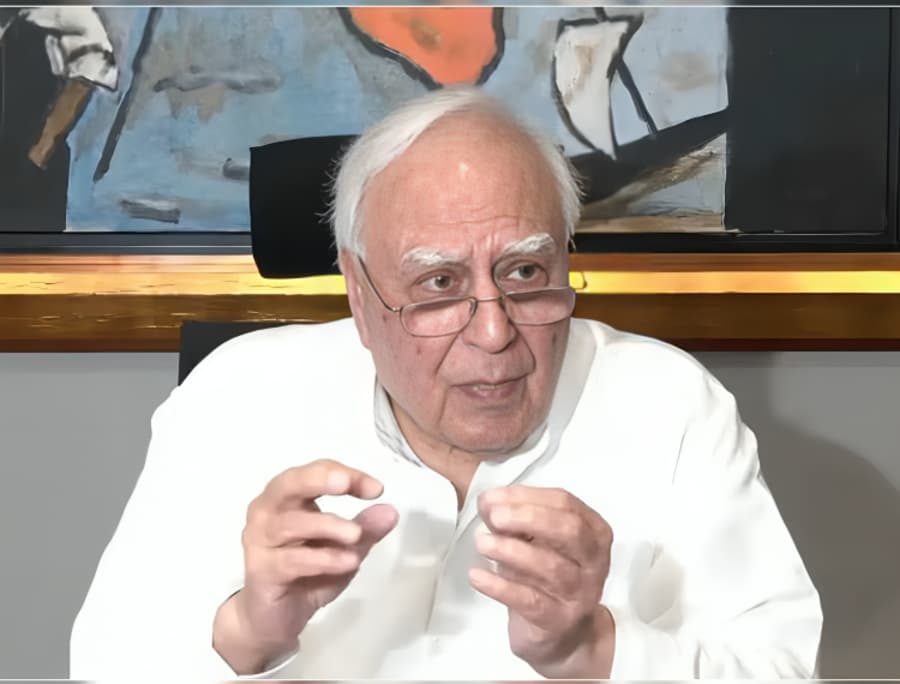
Notable leaders completing their tenure include former Prime Minister H. D. Deve Gowda, Congress president Mallikarjun Kharge and senior Congress leader Digvijaya Singh. Their retirement has increased political attention on the upcoming Rajya Sabha polls.
The Election Commission stated that the elections will be conducted according to established parliamentary procedures. Members of Legislative Assemblies in the concerned states will vote to elect representatives to the Rajya Sabha through the system of proportional representation using a single transferable vote.
The states where elections are scheduled include several politically significant regions where parties are expected to contest strategically to improve their strength in the Upper House of Parliament. Political parties have already started discussions regarding candidate selection and alliance strategies ahead of the elections.
In addition to the regular elections, the Election Commission has also announced by elections for one Rajya Sabha seat each in Maharashtra and Tamil Nadu. These by elections are being held to fill vacancies that arose before the completion of the concerned members’ terms.
Political observers believe the elections are important because the Rajya Sabha plays a major role in the legislative process, especially in passing key bills and constitutional amendments. The strength of political parties in the Upper House often influences parliamentary debates and decision making at the national level.
The ruling alliance and opposition parties are expected to focus on securing maximum seats in order to strengthen their parliamentary position. Regional parties are also likely to play an important role in states where electoral numbers are closely balanced.
The Election Commission has announced that the nomination process, scrutiny of papers and withdrawal of candidatures will take place according to the official election schedule. Counting of votes will be conducted on the same day as polling, and results are expected shortly after the voting process concludes.
Political analysts noted that Rajya Sabha elections often reflect the current political strength of parties in state assemblies. Since members are elected indirectly by MLAs, the outcome largely depends on the numerical strength of parties and alliance arrangements in each state.
The upcoming elections are expected to attract national political attention as several senior leaders and parties prepare for a new phase of parliamentary activity ahead of future legislative sessions and national political developments.