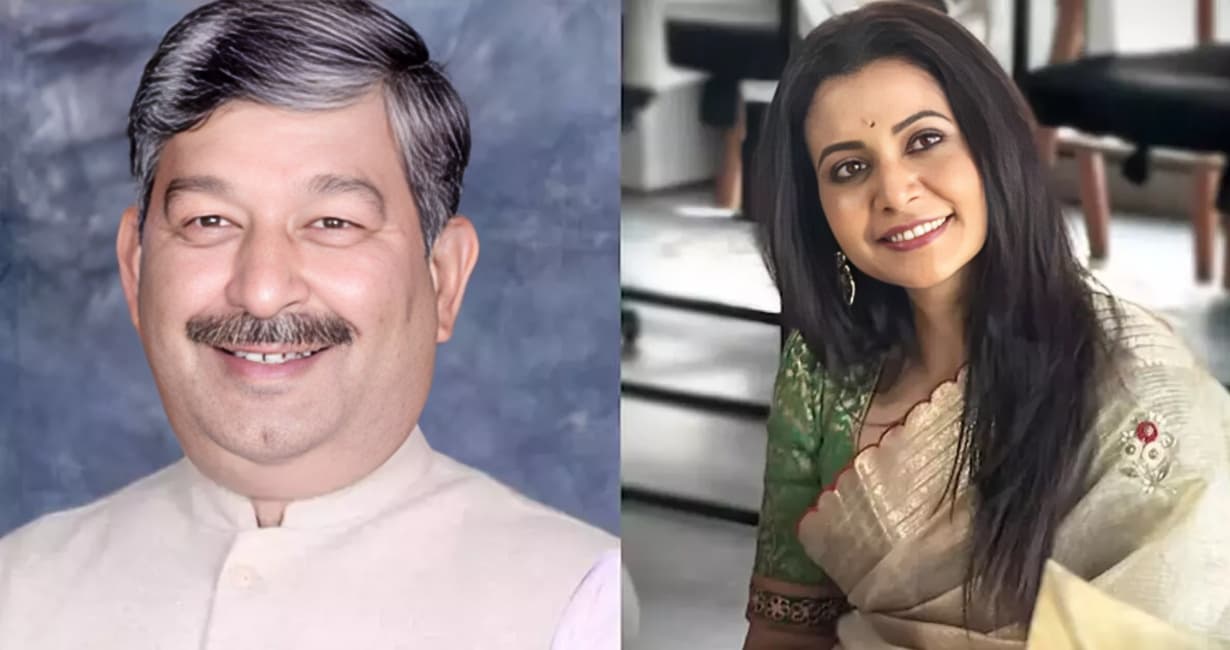
The political balance in the Rajya Sabha has shifted as the strength of the National Democratic Alliance has increased from 135 to 141 members. At the same time, the India Bloc has witnessed a decline in its numbers from 62 to 58. This change reflects recent developments in party alignments, resignations, and shifting political loyalties.
The Rajya Sabha, as the Upper House of Parliament, plays a crucial role in the legislative process. Any change in the numerical strength of political alliances can significantly impact the passage of bills and the overall functioning of the House. The increase in NDA numbers is likely to provide the ruling alliance with greater leverage in legislative matters.
The rise in numbers for the NDA is attributed to a combination of factors, including support from smaller parties and independent members. Additionally, certain political realignments and changes in party affiliations have contributed to strengthening the alliance’s position.
On the other hand, the India Bloc, which represents a coalition of opposition parties, has seen a reduction in its strength. This decline may affect its ability to challenge or delay legislative proposals put forward by the ruling alliance. However, opposition parties continue to play a vital role in ensuring debate and scrutiny of government policies.
Political analysts suggest that while numbers are important, the functioning of the Rajya Sabha also depends on cooperation and negotiation among parties. Even with increased strength, the ruling alliance may still need support from other members to pass key legislation, especially on issues requiring broader consensus.
The changing dynamics in the Upper House come at a time when several important bills and policy discussions are expected to take place. The government is likely to benefit from its improved position, enabling smoother passage of legislation.
At the same time, the opposition is expected to regroup and strategize to effectively present its views and concerns. Parliamentary debates are likely to remain active, with both sides engaging on key national issues.
The Rajya Sabha’s composition is subject to periodic changes due to elections, retirements, and other political developments. As such, the current shift may continue to evolve in the coming months.
Overall, the increase in NDA strength and the decline in India Bloc numbers mark a significant development in India’s parliamentary landscape. The impact of this shift will be closely observed in the functioning of the Rajya Sabha and the progress of legislative business in the coming sessions.