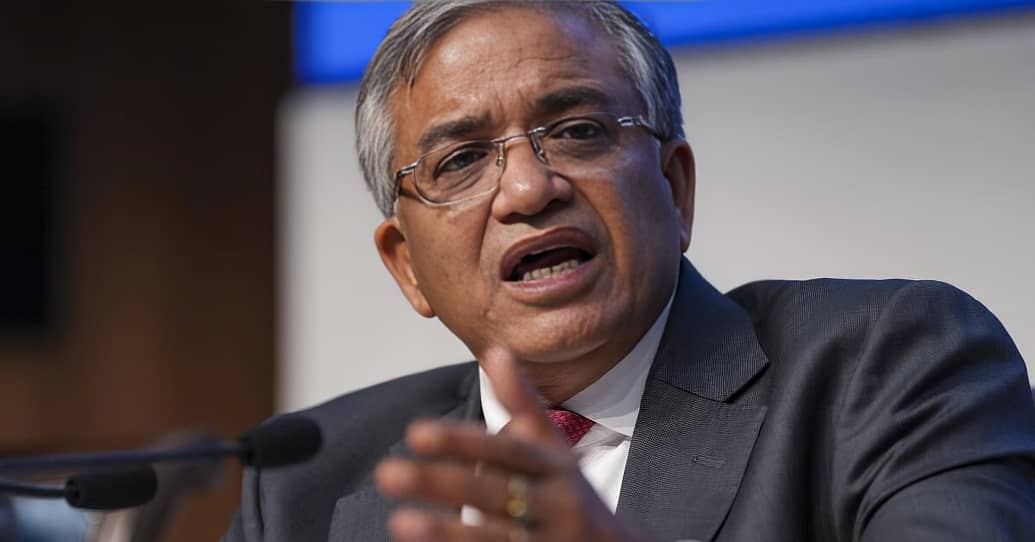
A group of seventy three opposition members has submitted a fresh notice in the Rajya Sabha seeking the removal of Chief Election Commissioner Gyanesh Kumar. The move marks their second attempt after a previous notice was rejected, and it has once again brought attention to the functioning and accountability of the Election Commission.
According to parliamentary sources, the new notice outlines a series of allegations against the Chief Election Commissioner. These include claims of partisan conduct, questions over the fairness of electoral processes, and concerns related to the handling of certain election related matters. The opposition members have listed multiple charges in support of their demand for removal, arguing that the credibility of the electoral system must be maintained.
The process for removing a Chief Election Commissioner is governed by constitutional provisions and is similar to that of a Supreme Court judge. It requires a formal motion supported by a specified number of members and must be passed by both Houses of Parliament with a special majority. Given the complexity of this process, such attempts are relatively rare and attract significant political attention.
The earlier notice submitted by opposition members was not admitted, reportedly due to procedural reasons. With the submission of a fresh notice, the opposition is seeking to address those issues and move forward with their demand. Parliamentary authorities are expected to examine the new notice and decide on its admissibility based on established rules and procedures.
The timing of the move is noteworthy, as it comes ahead of the announcement of election results in West Bengal. Political analysts suggest that the development could influence the ongoing political discourse and intensify debates over electoral transparency and governance. However, it remains to be seen how the matter will proceed within Parliament.
The Election Commission of India has consistently maintained that it operates independently and in accordance with the Constitution. Any allegations against its members are typically subject to legal and institutional scrutiny. The Commission plays a crucial role in conducting free and fair elections, and its credibility is central to the democratic process.
Reactions from political parties have been divided. Opposition leaders have emphasized the need for accountability and transparency, while others have questioned the timing and intent of the move. The issue is likely to be debated both inside and outside Parliament in the coming days.
As the situation develops, attention will be focused on the response of the Rajya Sabha Chairman and the procedural steps that follow. The outcome of this process could have broader implications for institutional accountability and the functioning of constitutional bodies in India.
The development highlights the importance of maintaining public trust in democratic institutions. It also underscores the role of Parliament in addressing concerns related to governance and constitutional responsibilities.