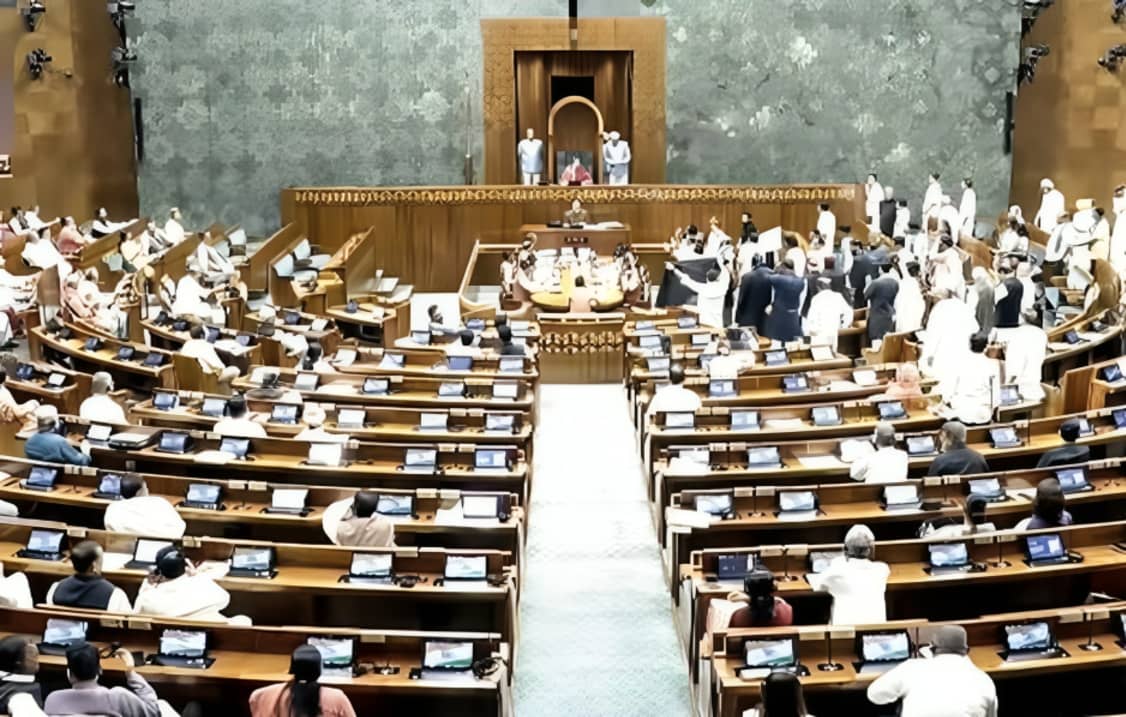
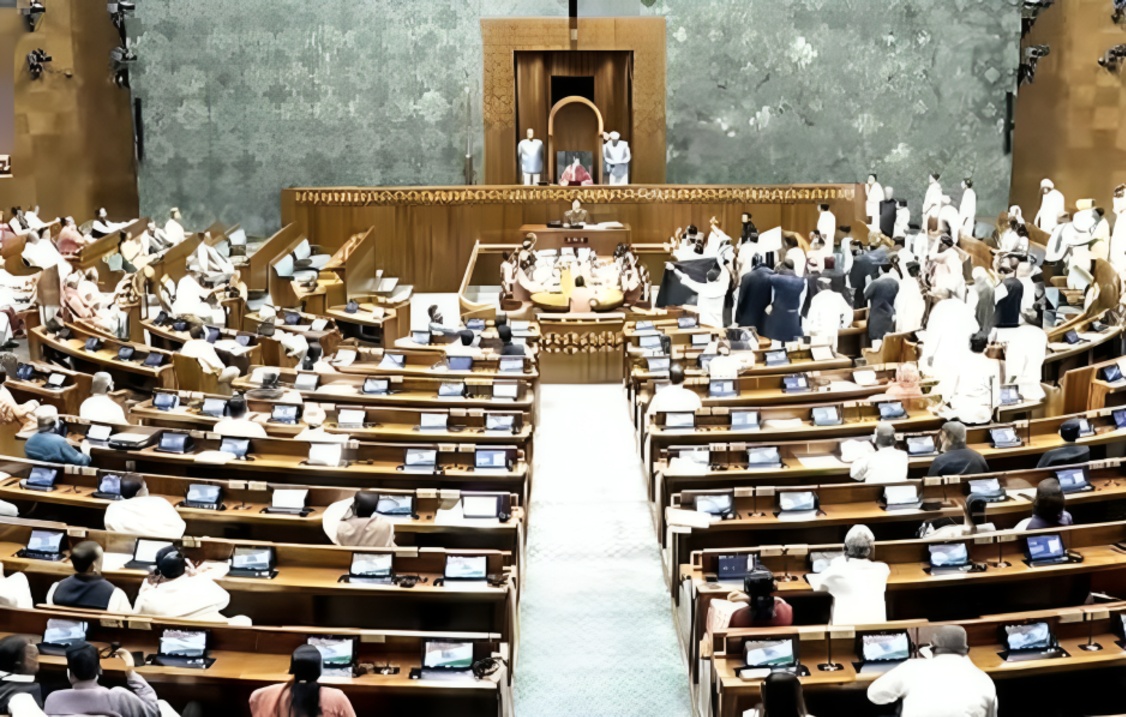
The Monsoon Session of Parliament is scheduled to witness discussions on several important legislative proposals, with the Lok Sabha expected to consider the Supreme Court Number of Judges Amendment Bill. The proposed legislation is among the key items listed for parliamentary business as the government continues its legislative agenda during the current session.
The Supreme Court Number of Judges Amendment Bill seeks to revise the sanctioned strength of judges in the Supreme Court. Increasing judicial capacity has been a subject of discussion in recent years, with concerns over the growing number of pending cases and the need for faster disposal of matters before the country's highest court. The proposed amendment is intended to strengthen the functioning of the judiciary by providing adequate judicial resources to meet increasing demands.
Apart from the amendment bill, the Lok Sabha is also expected to consider a statutory resolution moved by members of the Opposition seeking the disapproval of a recently issued ordinance. Parliamentary debates on such resolutions provide an opportunity for members from both the government and the Opposition to present their views on the necessity, legality, and implications of ordinances issued by the executive.
The session will also include private members' business, an important parliamentary mechanism that enables Members of Parliament who are not ministers to introduce bills and resolutions on issues they consider significant. Several private members are expected to present proposals relating to constitutional amendments, governance reforms, and public welfare measures. Although private members' bills rarely become law, they often initiate important discussions on policy issues and contribute to legislative debate.
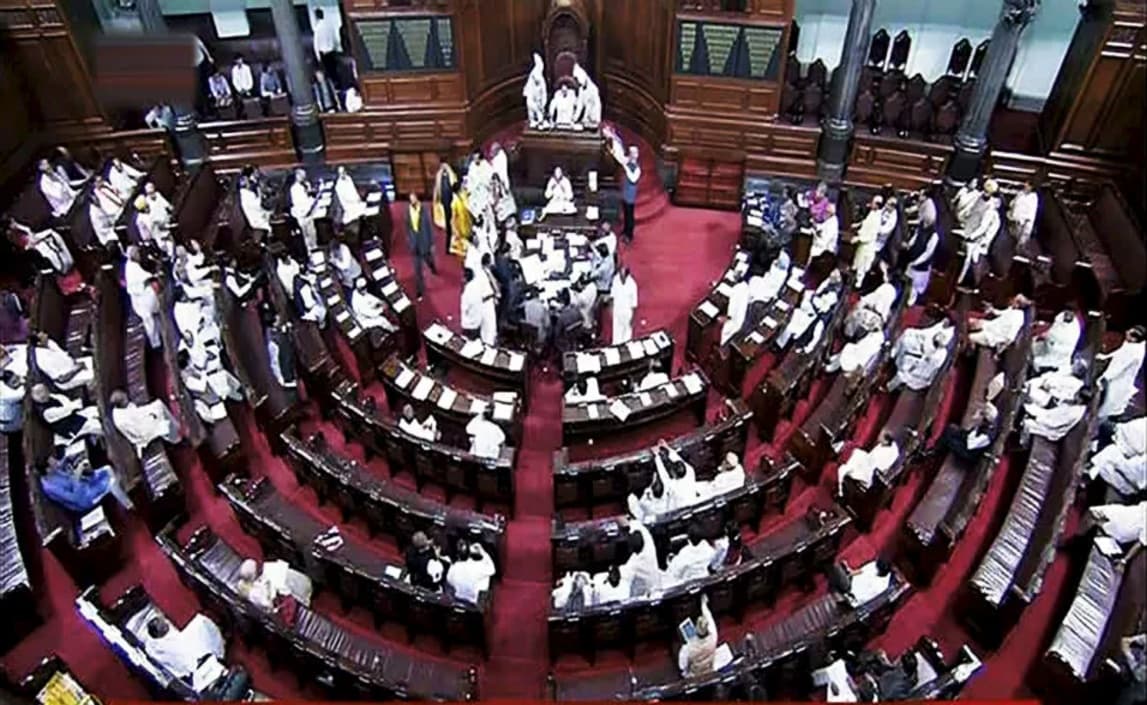
In the Rajya Sabha, the government is scheduled to introduce the Prevention of Insults to National Honour Amendment Bill. The proposed legislation is expected to focus on matters related to the existing legal framework governing acts considered disrespectful to national symbols and national honour. Once introduced, the bill may be referred for further discussion and consideration in accordance with parliamentary procedures.
The Monsoon Session is expected to witness active participation from both the ruling alliance and Opposition parties on a range of legislative and policy matters. In addition to government bills, members are likely to raise issues concerning governance, economic policy, education, social welfare, and other matters of national importance during debates and Question Hour.
Parliamentary sessions play a crucial role in the democratic process by providing a platform for lawmakers to examine proposed legislation, question government policies, and represent the concerns of citizens. Bills introduced in either House undergo various stages of discussion, scrutiny, and voting before becoming law, ensuring that legislative proposals receive detailed consideration.
Legal experts have noted that proposals concerning the judiciary and constitutional matters often attract significant debate because of their long-term impact on the administration of justice and the functioning of democratic institutions. Similarly, discussions on national honour laws and constitutional amendments are expected to receive attention from members across party lines.
The Monsoon Session is likely to remain focused on legislative productivity while also providing space for political debate on current national issues. The progress of the Supreme Court Number of Judges Amendment Bill, discussions on the statutory resolution, private members' initiatives, and the introduction of new legislation in the Rajya Sabha will be closely watched by policymakers, legal experts, and the public as Parliament continues its scheduled business.