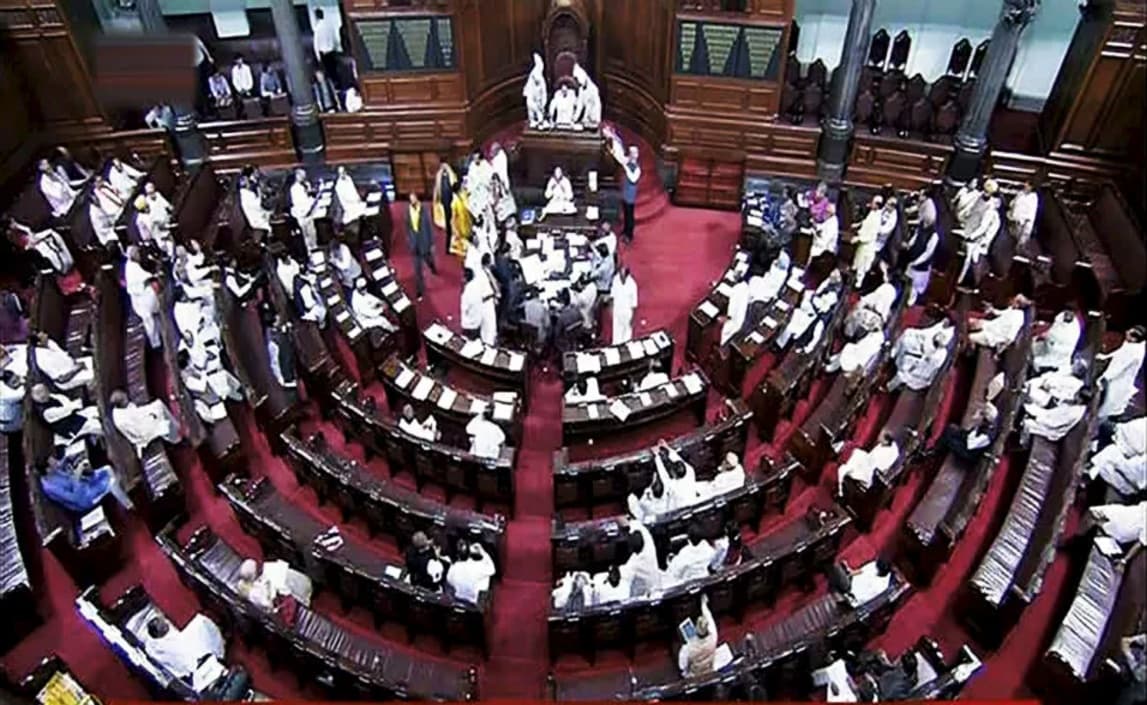

Rajya Sabha member Raghav Chadha voiced his support for the Anti Paper Leak Bill during discussions in Parliament, calling the legislation a significant step toward protecting the integrity of public examinations and the interests of students across the country. His remarks came as Parliament debated and considered the proposed legal framework aimed at preventing examination malpractice.
Speaking in the Rajya Sabha, Chadha said his intervention was motivated by concern for students rather than political attention. He stated that the issue of examination paper leaks has affected the future of thousands of candidates who spend months and sometimes years preparing for competitive examinations.
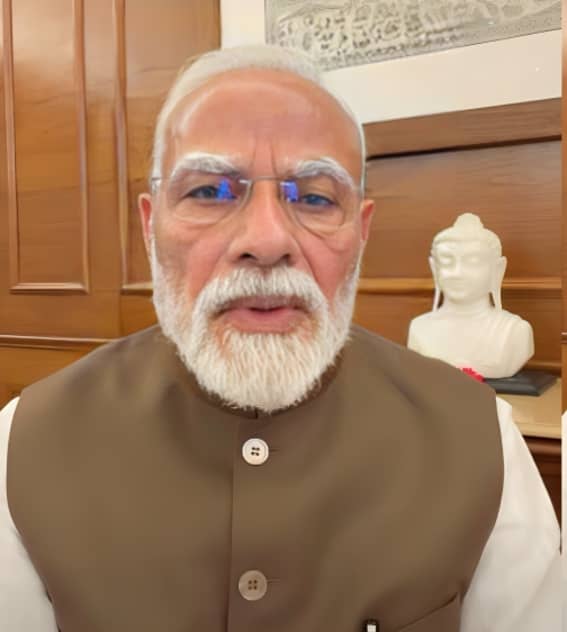
According to Chadha, the legislation represents an important effort to strengthen accountability in the examination system and restore confidence among students. He remarked that Prime Minister Narendra Modi had listened to the concerns of students, comparing the Prime Minister's response to that of the head of a family who pays attention to the problems of its members.
The Anti Paper Leak Bill seeks to introduce stricter legal provisions against individuals and organisations involved in leaking question papers, manipulating examination processes, or engaging in organised examination fraud. The government has argued that stronger penalties are necessary to protect the credibility of public examinations and ensure fairness for deserving candidates.
Incidents of paper leaks have become a recurring concern in several recruitment and entrance examinations over the past few years. Such incidents have often resulted in the cancellation of examinations, delays in recruitment, financial losses for candidates, and growing public concern over the integrity of competitive testing.
The Central Government has maintained that the new legislation is intended to act as a deterrent against organised examination fraud. Officials have stated that the law is designed to improve transparency, strengthen investigation mechanisms, and impose stricter punishment on those responsible for compromising examination processes.
During the parliamentary debate, members from different political parties expressed their views on the proposed legislation. While there was broad agreement on the need to prevent paper leaks, several members also suggested additional reforms, including stronger examination security, improved digital infrastructure, greater accountability of examination agencies, and faster investigations into malpractice cases.
Education experts have also welcomed efforts to strengthen the examination system while noting that legal reforms should be accompanied by improvements in examination management, cybersecurity, and institutional oversight. They believe that preventing paper leaks requires coordinated action involving examination authorities, law enforcement agencies, technology providers, and educational institutions.
The debate over examination reforms has gained national attention because millions of students appear for competitive examinations every year for admissions and government recruitment. Ensuring transparency and fairness remains one of the key priorities for policymakers and educational authorities.
The Anti Paper Leak Bill is expected to strengthen the legal framework against examination-related offences while reinforcing public confidence in the examination system. The government has stated that protecting honest candidates and preserving the credibility of public examinations remain central objectives of the legislation.