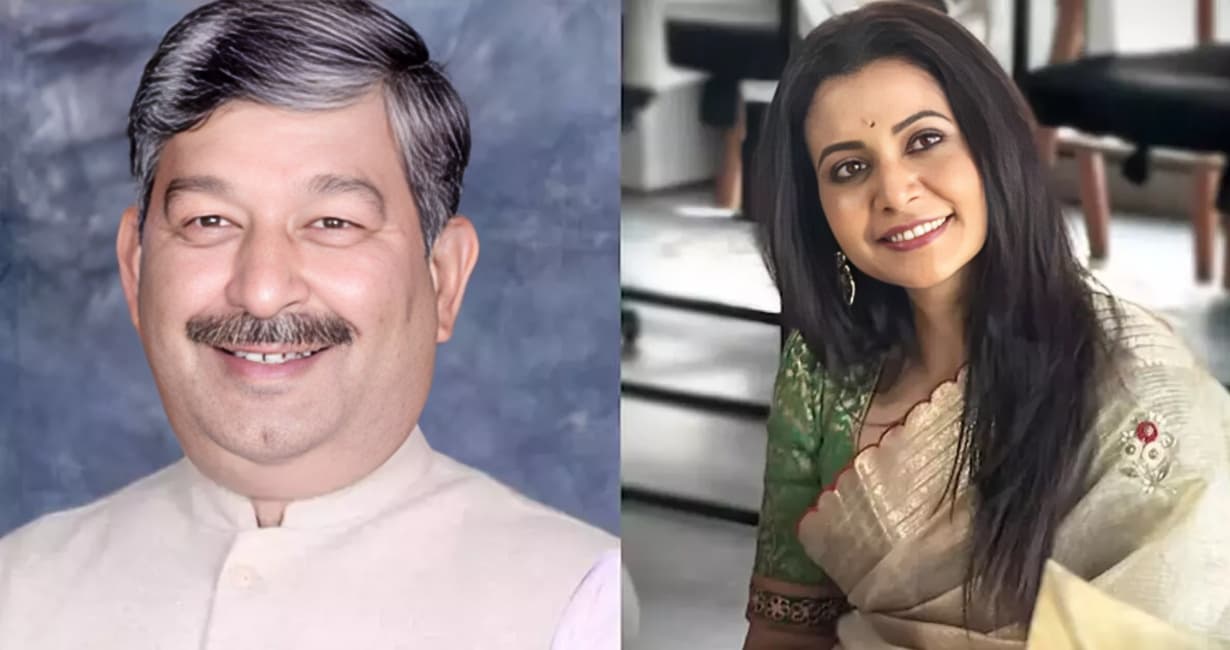
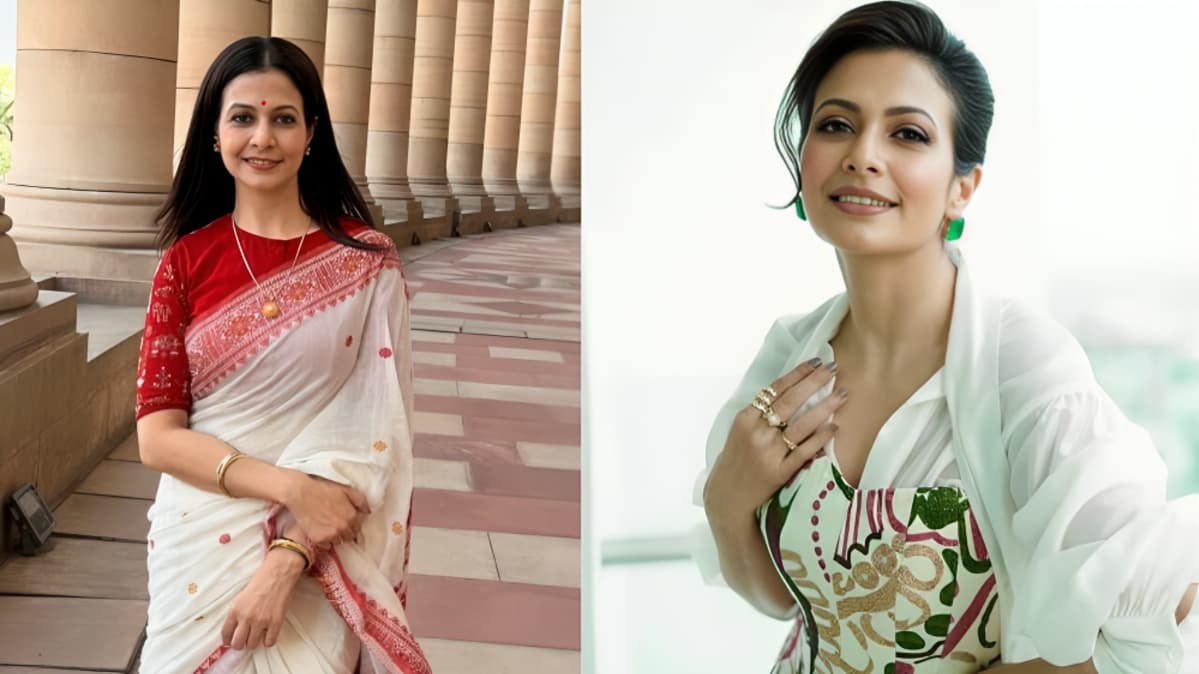
The Rajya Sabha on Wednesday extended heartfelt farewells to six retiring members, recognizing their years of service, experience, and valuable contributions to parliamentary debates and national governance. The session reflected a tone of mutual respect and appreciation, even across party lines, as members shared memories and acknowledged the impact of their peers.
Rajya Sabha Chairman Jagdeep Dhankhar led the farewell address, noting that the departure of experienced members was a significant moment for the House. He praised their active participation in legislative matters and their efforts in upholding democratic values. The Chairman highlighted that the House was losing not just lawmakers but also institutional memory and deep knowledge across several domains.
The six retiring members include representatives from different political parties and states, reflecting the diversity of the Upper House. Each member was recognized for their unique perspectives, contributions to policy discussions, and the role they played in various parliamentary committees.
Among the six retiring members, DMK leader P Wilson stood out as he secured re-election to the Rajya Sabha from Tamil Nadu. His return to the House was met with congratulations from across the political spectrum. Wilson, a senior advocate and former Additional Solicitor General of India, has been known for his interventions on constitutional issues, federalism, and judicial matters.
During the farewell speeches, leaders from both the ruling and opposition benches lauded the members for their commitment to public service. They emphasized that despite political differences, each member had added value through reasoned debates and constructive criticism. The House also observed a brief pause in proceedings as a mark of respect and reflection.
Parliamentary Affairs Minister Pralhad Joshi expressed hope that the retiring members would continue contributing to public life in different capacities. He added that their experience would remain valuable to society beyond the confines of Parliament. Several other MPs echoed this sentiment, describing the outgoing members as mentors and respected colleagues.
P Wilson, in his response after being re-elected, thanked his party and constituents for the renewed opportunity to serve in the Rajya Sabha. He reaffirmed his commitment to strengthening democratic institutions and voicing the concerns of the people of Tamil Nadu. He also pledged to continue raising issues related to judicial reforms, state autonomy, and equitable resource distribution.
The Rajya Sabha regularly sees rotations of members through retirements and elections, as the Upper House is a continuing body with one-third of its members retiring every two years. Such moments of transition are often marked with emotion, reflection, and a reminder of the dignity and continuity of India’s parliamentary system.
As new members prepare to take their seats in the Rajya Sabha, the farewell of experienced voices marks both an end and a beginning. It also highlights the dynamic nature of democracy, where seasoned leaders make way for fresh voices while institutions continue to uphold the spirit of constitutional governance.