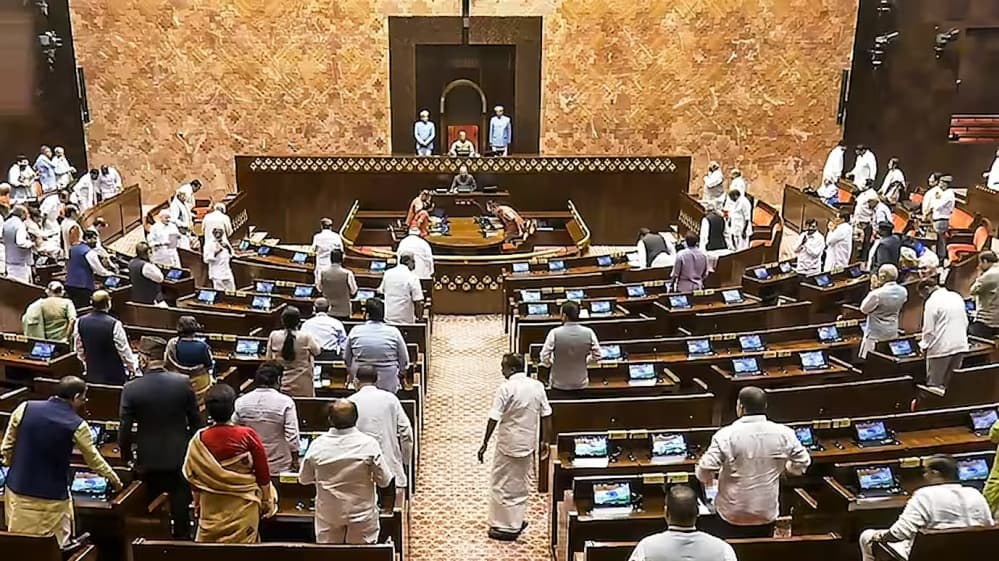
The Election Commission of India has scheduled polling for 37 Rajya Sabha seats on March 16, covering 10 states. The biennial elections are being conducted to fill vacancies created by members whose six year terms are set to expire. The notification marks the beginning of a key parliamentary process that will influence the composition of the Upper House.
According to the announced schedule, nominations are being filed in the respective states, followed by scrutiny and withdrawal deadlines before polling. Voting, if required, will take place on March 16, with counting expected the same day. Rajya Sabha members are elected by the elected members of state legislative assemblies through a system of proportional representation using the single transferable vote method.
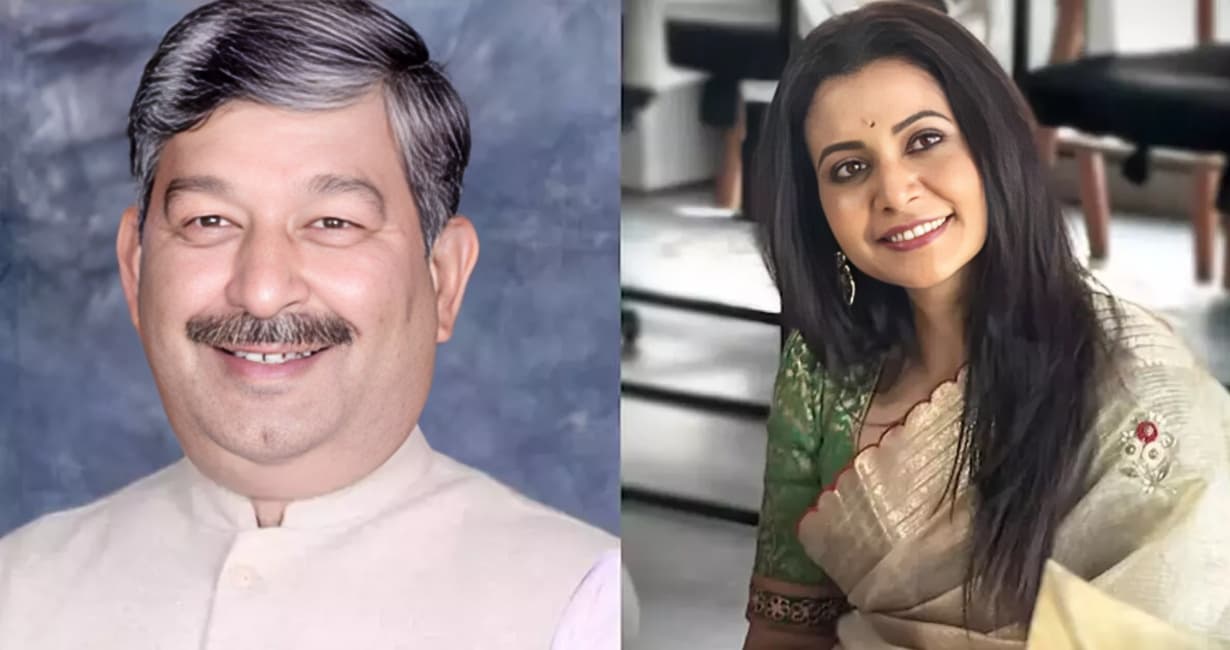
The upcoming elections have attracted attention due to the participation of several prominent political leaders. Among them is Bihar Chief Minister Nitish Kumar, whose potential candidature has generated significant political discussion. Major national parties including the Bharatiya Janata Party and the Indian National Congress have announced their nominees in various states.
The 37 seats are spread across 10 states, reflecting routine rotational retirements in the Rajya Sabha. Since the Upper House is a permanent body that is not dissolved, one third of its members retire every two years. This system ensures continuity in legislative functioning while allowing periodic renewal of representation.
Political observers note that Rajya Sabha elections often mirror the strength of parties in state assemblies. In states where a party or alliance holds a majority, the outcome is generally predictable. However, in states with closely divided assemblies, contests may become competitive and require careful floor management.
The Rajya Sabha plays a crucial role in India’s parliamentary system. It reviews legislation passed by the Lok Sabha, debates national and international issues and represents the interests of states in the federal structure. While it does not determine the formation of the government, its composition can influence the passage of key bills, especially when no single party holds a clear majority.
As the nomination deadline approaches, political parties are finalising their strategies and coordinating with legislators to ensure support for their candidates. Party leaderships have emphasised discipline and adherence to voting procedures to avoid cross voting or invalid ballots.
The biennial polls come at a time of active political engagement across states, with parties preparing for upcoming assembly elections in various regions. Analysts suggest that the results of these Rajya Sabha elections may also reflect broader political trends and alliance dynamics.
With the schedule announced and nominations underway, attention now turns to March 16, when polling will take place in the states concerned. The outcome will shape the balance of representation in the Rajya Sabha for the coming term.