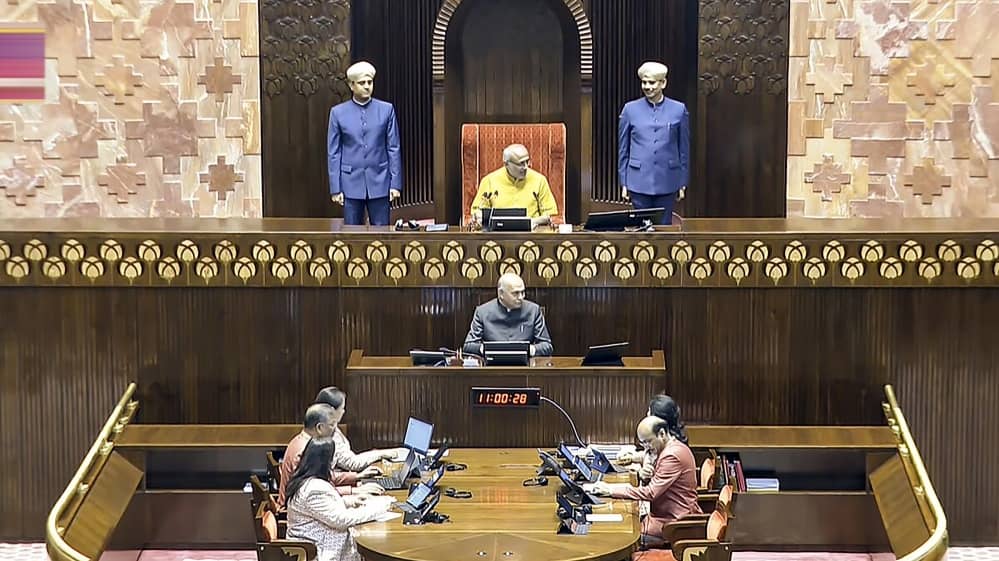
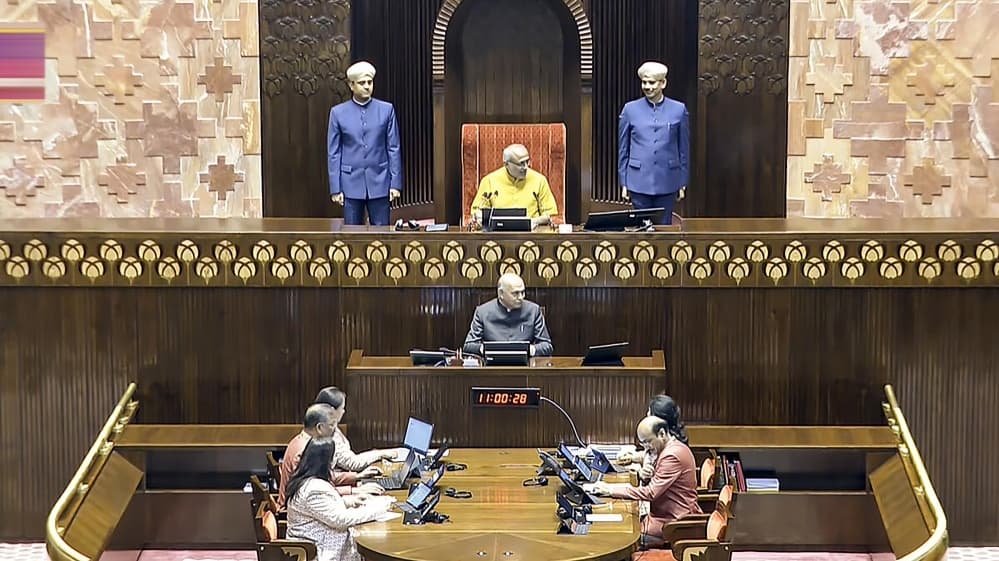
the Rajya Sabha witnessed a temporary halt in its proceedings as the session was adjourned for ten minutes owing to the absence of several Cabinet Ministers. The brief suspension occurred amid active discussions on legislative matters and responses to questions raised by members. Several lawmakers expressed concern over the non-attendance of ministers, emphasizing that their presence is crucial for providing timely explanations and updates on government policies.
The adjournment disrupted scheduled debates and delayed answers to multiple questions submitted by opposition members. Parliamentary rules mandate the presence of responsible ministers to ensure that members’ queries on national and state-level issues are adequately addressed. The absence of key ministers, therefore, led to a momentary standstill in the proceedings, reflecting concerns over ministerial accountability in the Upper House.
During the adjournment, members highlighted the importance of ministers actively participating in parliamentary sessions. They noted that timely responses are critical for maintaining transparency and strengthening parliamentary democracy. The lack of ministerial presence was criticized as a hindrance to smooth legislative functioning and effective scrutiny of government policies.
After the ten-minute break, the session resumed with the arrival of the Cabinet Ministers. Members quickly resumed discussions, and pending questions were addressed. Parliamentary sources confirmed that the resumption allowed the House to continue deliberations on pressing matters, including policy updates, budget allocations, and administrative issues that were scheduled for discussion during the session.
Experts note that occasional absences of ministers in parliamentary proceedings can affect the legislative workflow and delay decision-making processes. Lawmakers and officials often emphasize that ministers must balance administrative duties with parliamentary responsibilities to maintain the efficiency and credibility of legislative institutions. The incident in the Rajya Sabha underscores the need for effective coordination between the executive and legislative branches of government.
Opposition members used the opportunity to reiterate the significance of ministerial accountability and demanded that future sessions ensure the consistent presence of responsible ministers. They argued that uninterrupted participation is essential for addressing public concerns, providing policy clarifications, and facilitating informed debate within the House. Members also stressed that such lapses could impact public perception of parliamentary functioning and governance.
In conclusion, while the ten-minute adjournment was brief, it highlighted the critical role of Cabinet Ministers in parliamentary operations. The incident serves as a reminder of the need for strict adherence to parliamentary schedules and active engagement of ministers to uphold the standards of accountability, transparency, and effective governance. Following the resumption, lawmakers were able to continue with scheduled discussions, reflecting the importance of coordinated efforts between ministers and parliamentarians in ensuring productive legislative sessions.