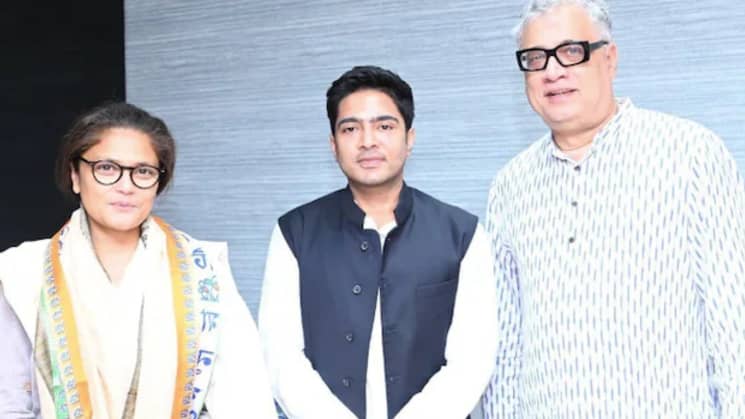

The Trinamool Congress has found itself at the center of political discussions following the resignation of Rajya Sabha MP Sushmita Dev and reports of internal dissent within the party. The developments have triggered speculation about possible political realignments and raised questions about the future course of some party leaders.
According to reports, a section of Trinamool Congress leaders and parliamentarians has expressed dissatisfaction with the party's current direction. The resignation of Sushmita Dev has further intensified discussions within political circles, with observers closely monitoring any potential shifts in allegiance among party members.
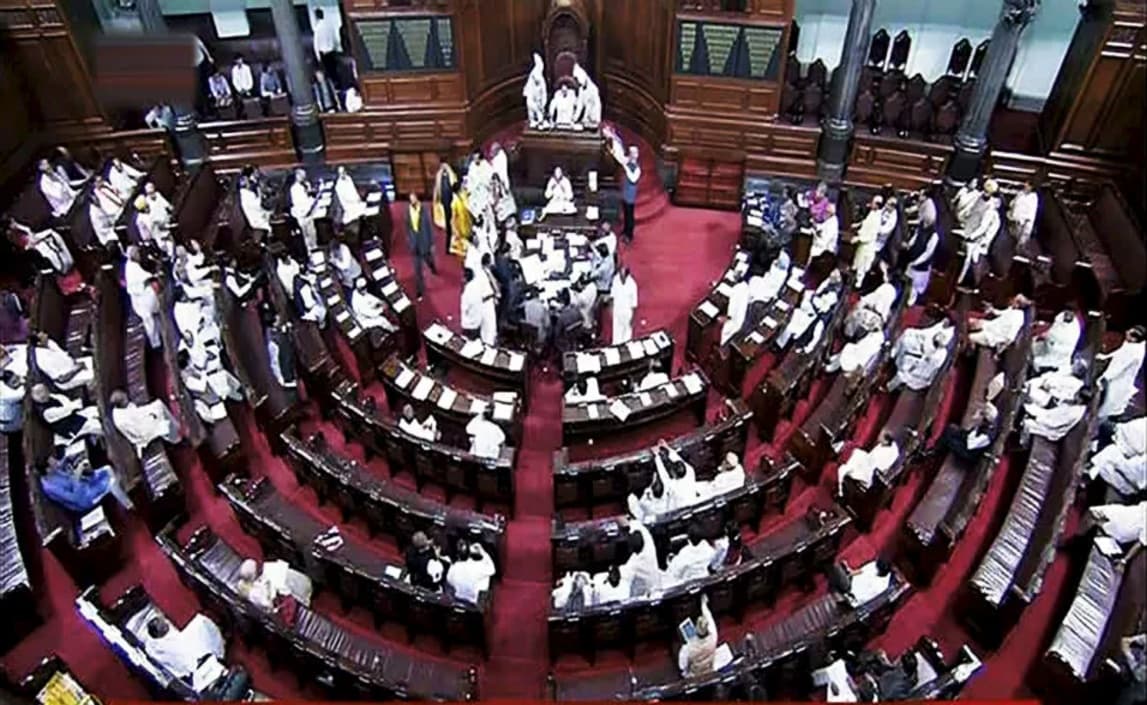
While speculation continues regarding the future political plans of some leaders, no official confirmation has been provided regarding their next steps. Reports have suggested that certain dissenting Members of Parliament are seeking separate seating arrangements in Parliament and are considering extending support to the National Democratic Alliance. However, these developments remain part of an evolving political situation.
The Trinamool Congress leadership has responded strongly to the reports of rebellion. Senior party leaders have publicly criticized those who have expressed dissent, arguing that party members should remain committed to the organization's principles and political objectives. The leadership has also emphasized the importance of party discipline during a period of political uncertainty.
Among those who have spoken on the issue are senior TMC leaders who have accused the dissenting members of acting against the party's interests. They have questioned the timing of the rebellion and expressed concern about its potential impact on the party's organizational strength.
Political analysts note that internal disagreements are not uncommon in major political parties, especially following significant electoral challenges or changing political circumstances. Such developments often lead to debates over leadership, strategy, and future electoral planning.
The Trinamool Congress remains one of the most influential political parties in West Bengal and continues to play an important role in national politics. Despite the current challenges, party leaders have maintained that the organization remains united and focused on its political objectives.
The situation has also drawn attention because of the national profile of several leaders involved in the developments. Any major shift by prominent members could influence political equations not only in West Bengal but also at the national level.
Observers believe that the coming weeks will be crucial in determining whether the current dissent develops into a larger political realignment or remains limited to a small group of leaders. The party leadership is expected to engage with members and address concerns to prevent further divisions.
As political discussions continue, all eyes remain on the Trinamool Congress and its leadership. The developments underscore the dynamic nature of Indian politics, where party unity and leadership decisions often play a decisive role in shaping future political outcomes.
The unfolding situation is likely to remain a key topic of discussion in both state and national political circles as further announcements and decisions emerge.