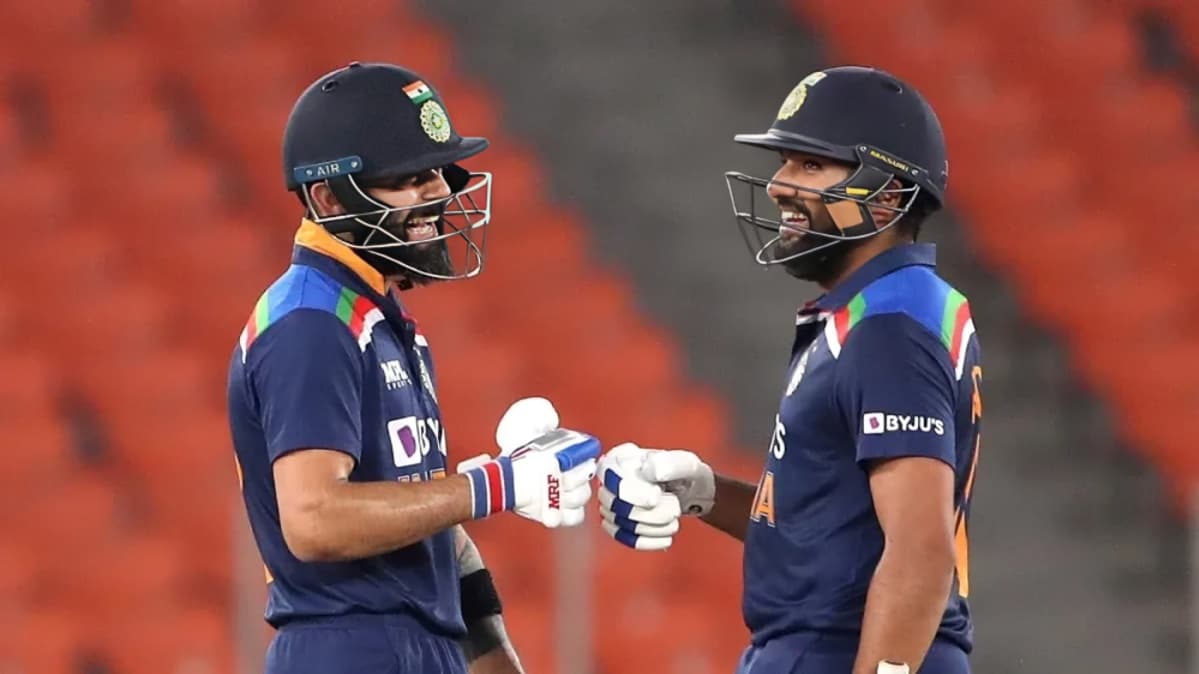

Cricket Australia Chief Executive Officer Todd Greenberg has indicated that the governing body is open to exploring the possibility of staging an Ashes Test match in India, describing the concept as one of several ideas aimed at strengthening the future of Test cricket. Although no official plans have been announced, the proposal has generated considerable discussion among cricket fans and experts around the world.
The Ashes is one of cricket's oldest and most celebrated Test series, traditionally contested between Australia and England. Since its inception in the nineteenth century, the series has always been played in either Australia or England, making the suggestion of hosting an Ashes Test in a neutral venue such as India a significant departure from tradition.
Speaking about the future of the format, Greenberg emphasized the importance of finding innovative ways to expand the global reach of Test cricket while maintaining its rich heritage. He suggested that taking iconic cricket events to major international markets could help introduce the longest format of the game to new audiences and create additional commercial opportunities.
India has emerged as one of the world's largest cricket markets, with millions of passionate supporters following international and domestic cricket throughout the year. Hosting a prestigious contest such as an Ashes Test in India could attract significant spectator interest, extensive television audiences, and strong commercial partnerships. Industry observers believe such an event would likely become one of the most widely watched Test matches in cricket history.
Greenberg's comments came while he also defended the decision to stage the 150th anniversary Test match between Australia and England as a day night fixture. According to him, cricket administrators must balance respect for tradition with the need to modernize the sport and ensure that Test cricket remains attractive to future generations of supporters.
The discussion reflects wider conversations taking place within international cricket regarding the long term sustainability of the Test format. While Test cricket continues to be regarded as the highest standard of the game, administrators are exploring ways to increase attendance, television viewership, and commercial viability in an increasingly competitive sporting landscape.
Supporters of the proposal argue that neutral venue Test matches could expose new audiences to historic rivalries while strengthening the international profile of the game. They believe that hosting occasional marquee contests outside the traditional host nations could generate greater global interest without fundamentally changing the character of established bilateral series.
At the same time, many cricket followers believe that the unique atmosphere created by Australian and English venues is an essential part of the Ashes tradition. They argue that the history, culture, and local rivalries associated with these venues contribute significantly to the identity of the series and should be preserved.
No official discussions have been announced regarding scheduling an Ashes Test in India, and the proposal remains an exploratory idea rather than a confirmed plan. Any such decision would require agreement between Cricket Australia, the England and Wales Cricket Board, the Board of Control for Cricket in India, and the International Cricket Council, along with careful consideration of the international cricket calendar.
The proposal nevertheless highlights the willingness of cricket administrators to consider innovative approaches to promoting Test cricket globally. As the sport continues to evolve, governing bodies are expected to examine new opportunities that balance commercial growth with the preservation of cricket's traditions.
Whether or not an Ashes Test is eventually played in India, the discussion reflects the broader effort to ensure that Test cricket remains relevant, competitive, and appealing to audiences around the world. The concept has already sparked debate within the cricket community and may influence future conversations about the international expansion of one of the sport's most historic formats.