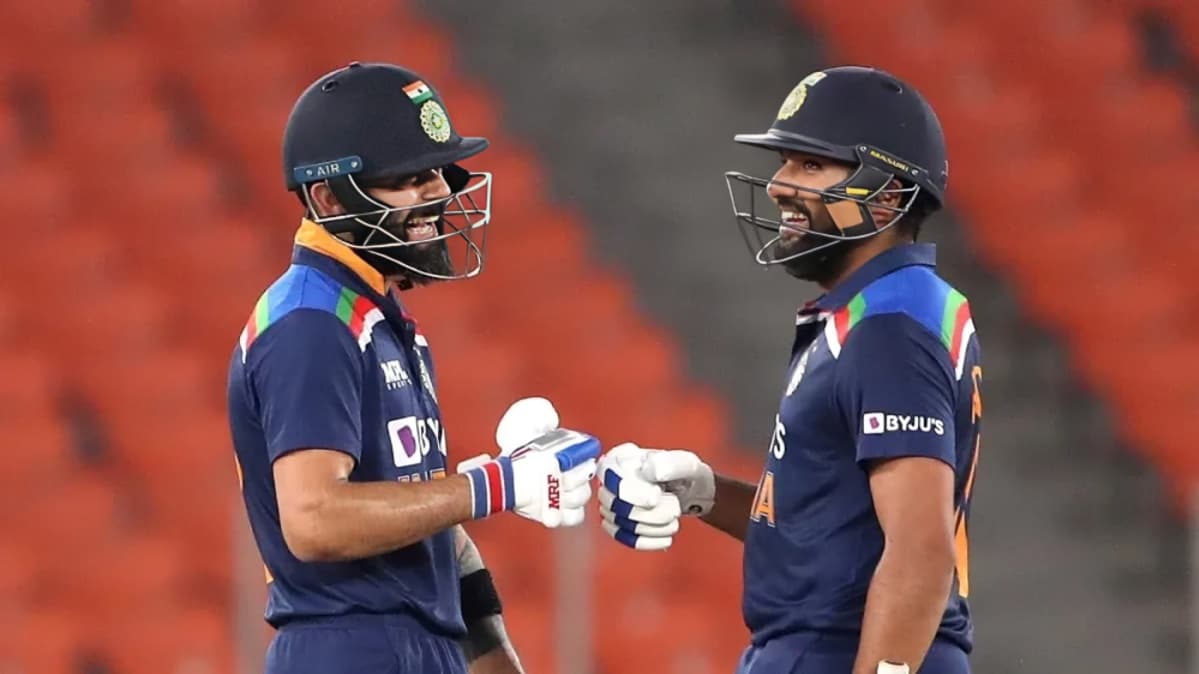
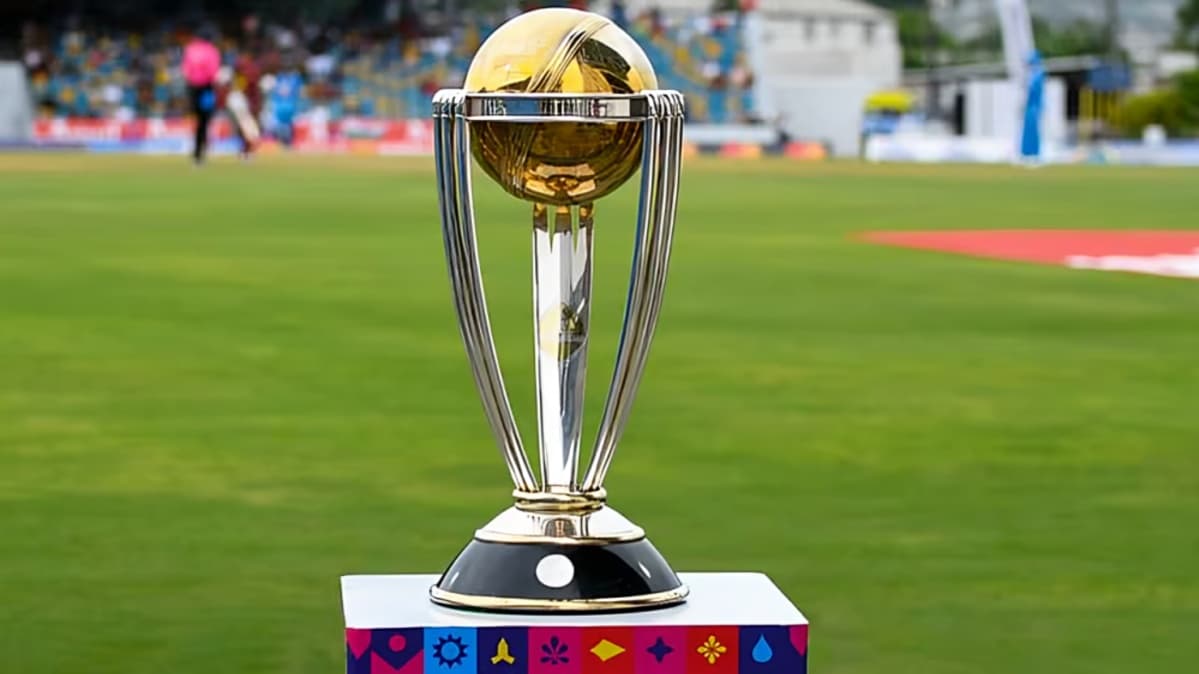
The Indian women's cricket team is preparing for the ICC Women's T20 World Cup 2026 with the objective of achieving a historic milestone by winning its first T20 World Cup title. Led by captain Harmanpreet Kaur, the team will enter the tournament with high expectations as it seeks to build on its recent performances in international cricket.
Over the past several years, women's cricket in India has experienced remarkable growth. Increased investment in the sport, stronger domestic competitions, and greater international exposure have contributed to the development of a competitive national team capable of challenging the world's leading cricket nations.
One of India's key strengths heading into the tournament is the presence of experienced players who have competed at the highest level for many years. Harmanpreet Kaur continues to be one of the most influential figures in women's cricket, bringing leadership experience and match-winning ability to the side. Her experience in major tournaments is expected to play an important role during the competition.
The team also benefits from a strong batting lineup featuring players capable of performing under pressure. India's batters have demonstrated consistency in international matches and possess the ability to adapt to different conditions and opposition strategies. The presence of young players alongside established stars provides additional depth to the squad.
Bowling remains another important area for India. The team's spin attack has often been a significant advantage in limited-overs cricket, while improvements in pace bowling have strengthened the overall balance of the side. Consistent performances from bowlers will be crucial against strong batting lineups from competing nations.
Fielding standards have also improved considerably in recent years. Modern women's cricket places significant emphasis on athleticism, and India has invested in fitness and fielding programs aimed at improving overall team performance.
Despite these strengths, the tournament is expected to present several challenges. International women's cricket has become increasingly competitive, with countries such as Australia, England, South Africa, New Zealand, and others consistently performing at a high level. Every match in a global tournament carries significant importance, and maintaining consistency throughout the competition will be essential.
Another challenge for India will be handling pressure in knockout matches. The team has reached advanced stages of major tournaments in the past but has often fallen short of securing the ultimate title. Learning from previous experiences and maintaining composure during crucial moments could prove decisive.
The emergence of young players offers additional optimism for Indian cricket. Several promising talents have earned opportunities at the international level and are expected to contribute alongside senior players. Their performances could provide the team with greater flexibility and depth during the tournament.
Cricket experts believe that India possesses the talent and resources required to compete for the championship. Continued development of women's cricket at the grassroots and professional levels has created a stronger pipeline of players capable of succeeding on the international stage.
As preparations continue, the focus remains on team balance, fitness, strategy, and adapting to tournament conditions. The Indian women's team will aim to combine experience, skill, and consistency as it pursues a historic achievement at the ICC Women's T20 World Cup 2026.
A successful campaign would not only represent a major sporting accomplishment but also further strengthen the growth and popularity of women's cricket across India.