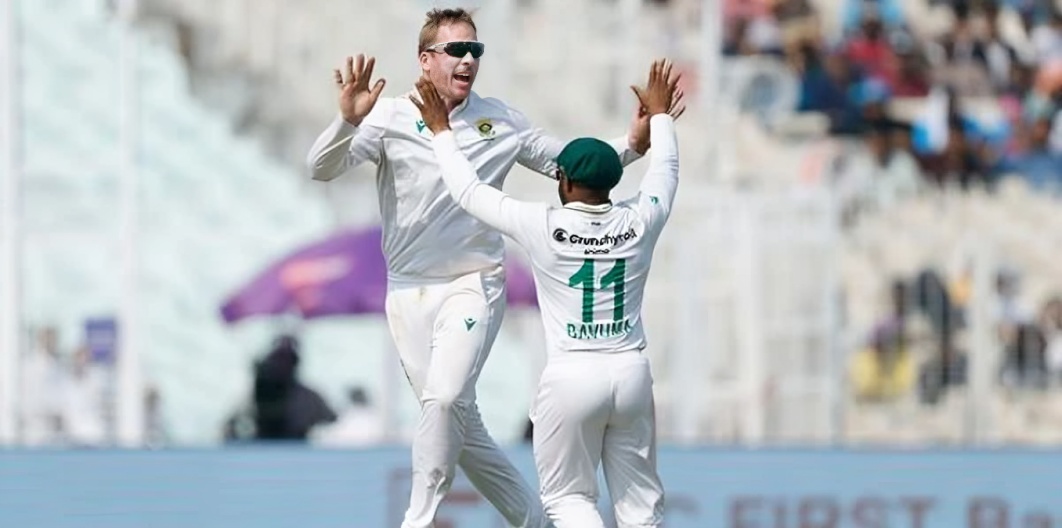
South African off spinner Simon Harmer has shared his views on the growing influence of India in international cricket, highlighting how administrative strength and commercial power have contributed to the country’s dominant position in the sport. His remarks have added to ongoing discussions about the balance of power within global cricket.
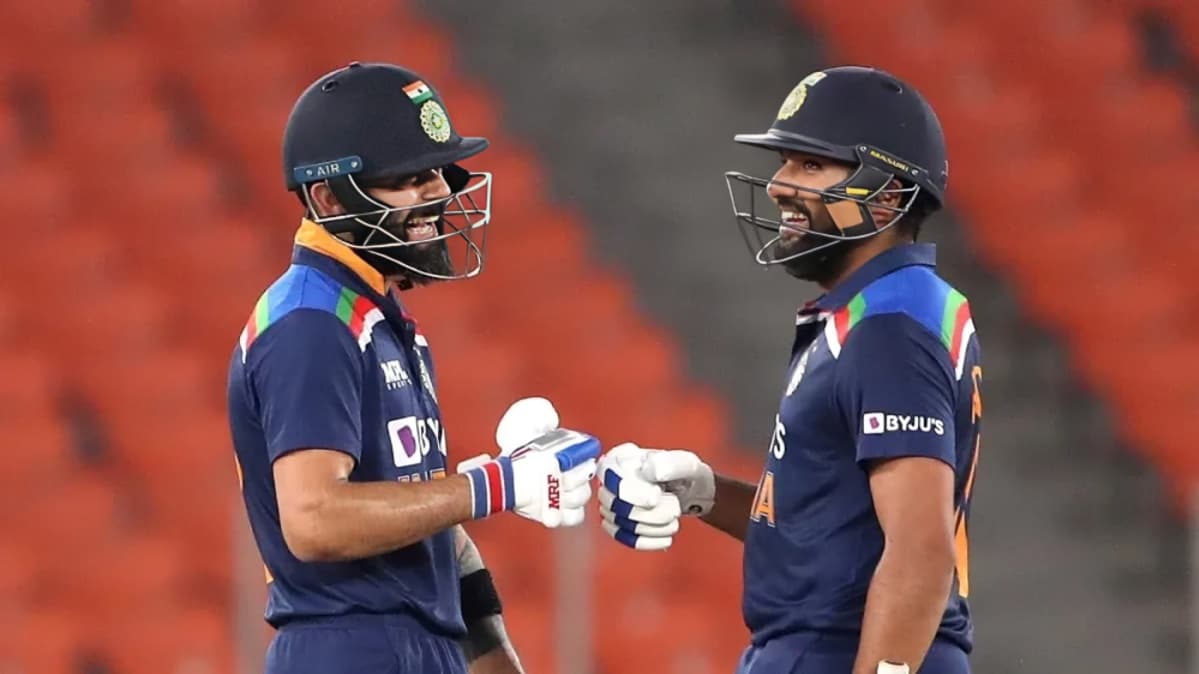
According to Harmer, India’s rise in cricket is not limited to on field performances but extends significantly to its role in decision making and financial contributions. The Board of Control for Cricket in India is widely regarded as one of the most powerful cricket boards in the world, largely due to its financial resources and large fan base. This has allowed India to play a major role in shaping schedules, tournaments, and policies within the sport.
Harmer noted that while India’s influence has helped in expanding the popularity and commercial success of cricket, it has also led to concerns about competitive balance. Smaller cricketing nations often rely on funding and opportunities provided through international structures, and disparities in resources can create challenges in maintaining equal competition.
The global cricket calendar has increasingly been influenced by major tournaments and bilateral series involving India. Events such as the Indian Premier League have transformed the financial landscape of the sport, attracting top players from around the world and generating significant revenue. While this has benefited players and boards, it has also raised questions about the prioritization of leagues over traditional international formats.
Harmer’s comments reflect a broader conversation within the cricketing community about governance and fairness. Many experts believe that while strong leadership and financial stability are essential for the growth of the sport, it is equally important to ensure that opportunities are distributed fairly among all participating nations. Maintaining this balance is considered crucial for the long term sustainability of cricket.
At the same time, India’s contribution to cricket cannot be overlooked. The country has played a major role in popularizing the game globally, investing in infrastructure, and providing platforms for players to showcase their talent. The success of Indian cricket has also inspired growth in other regions, contributing to the overall development of the sport.
Harmer’s observations underline the complexities involved in managing a global sport with diverse stakeholders. Differences in economic strength, audience reach, and administrative capabilities can influence decision making at various levels. Addressing these challenges requires cooperation among cricket boards and governing bodies.
The International Cricket Council plays a central role in overseeing the sport and ensuring that regulations and policies are implemented fairly. Discussions about balance and representation are often addressed within this framework, although achieving consensus among member nations can be challenging.
As cricket continues to evolve, the influence of major cricketing nations like India is likely to remain a key factor. At the same time, there is growing awareness of the need to create a more inclusive and balanced system that supports the growth of the sport across all regions.
Overall, Simon Harmer’s remarks highlight both the opportunities and challenges associated with India’s dominant position in global cricket. His perspective contributes to an important debate about the future direction of the sport and the need for equitable development among all cricketing nations.